
Luxor, Egypt: A Time Capsule of the Pharaohs
Soar high above the Nile River in a hot air balloon, descend into painted rock-cut tombs, and explore temples with hieroglyphic columns in Luxor.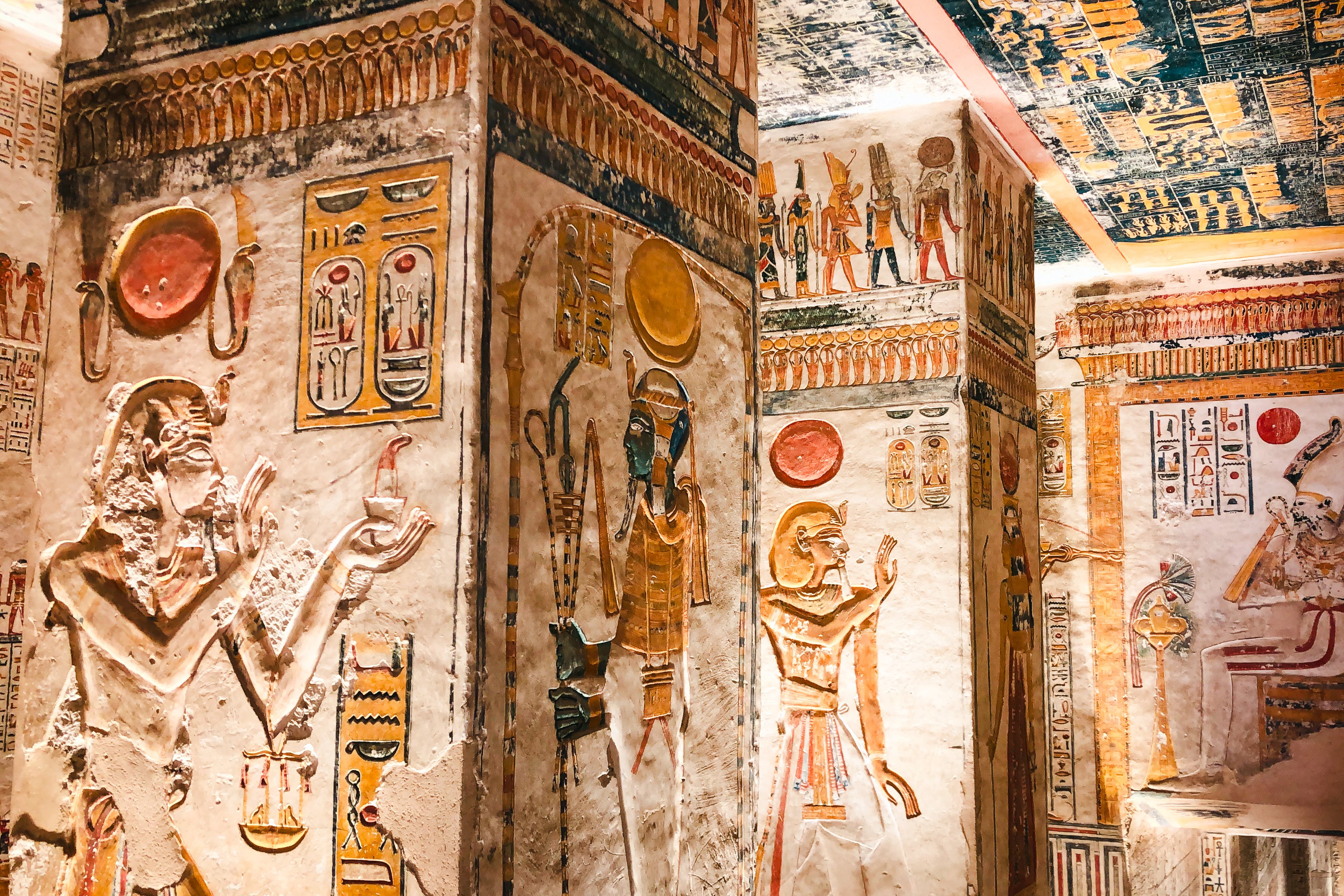
Appreciate the legacy of the pharaohs by descending into painted rock-cut tombs in the Valley of the Kings, wandering a maze of hieroglyphic columns in the Great Hypostyle Hall, and soaring high above the Nile River in a hot air balloon at sunrise. The ancient city of Luxor, originally known as Thebes, was the capital of Egypt during parts of the Middle Kingdom (2030-1650 BC) and New Kingdom (1550-1070 BC). Countless wonders, both big and small, await travelers in this captivating open-air museum!
Brad and I spent three days in Luxor after exploring the Great Pyramids of Giza in Cairo and relaxing at a luxury hotel on the coast of the Red Sea in Sharm El Sheikh. Before boarding our all-inclusive Nile River cruise on the MS Sonesta St. George I, we booked two nights at the Hilton Luxor Resort and Spa. I highly recommend staying at the resort for its fantastic location, friendly staff, tasty buffet breakfast, and comfortable beds.


On our first day in Luxor, Brad and I hired a taxi for $12 USD to complete a five-hour visit to the Temple of Rameses III, Tombs of the Nobles, Mortuary Temple of Seti I, and Imhotep Alabaster Luxor souvenir shop (attractions not included in the cruise). Purchase tickets at the Antiquities Inspectorate ticket office with local currency if you also want to create a DIY expedition.
Organizing an itinerary can be overwhelming with all of the possible excursions, temples, and tombs. Fortunately, our cruise included a private guide via Memphis Tours who accompanied us to several major archaeological sites in Luxor for two days. His knowledge about Egyptian history and architecture was phenomenal. Below I list our highlights to help you plan a trip to this extraordinary place in Egypt!


Sunrise Hot Air Balloon Ride
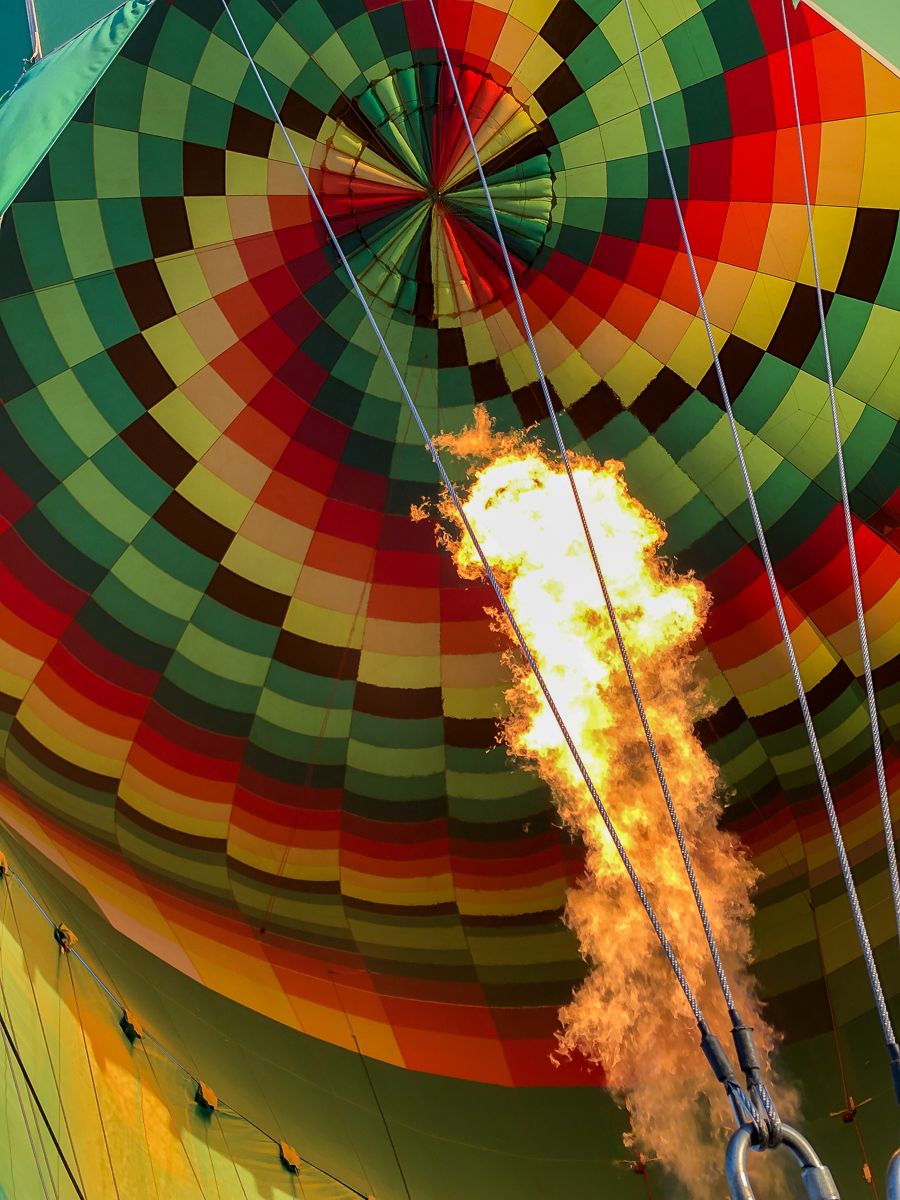
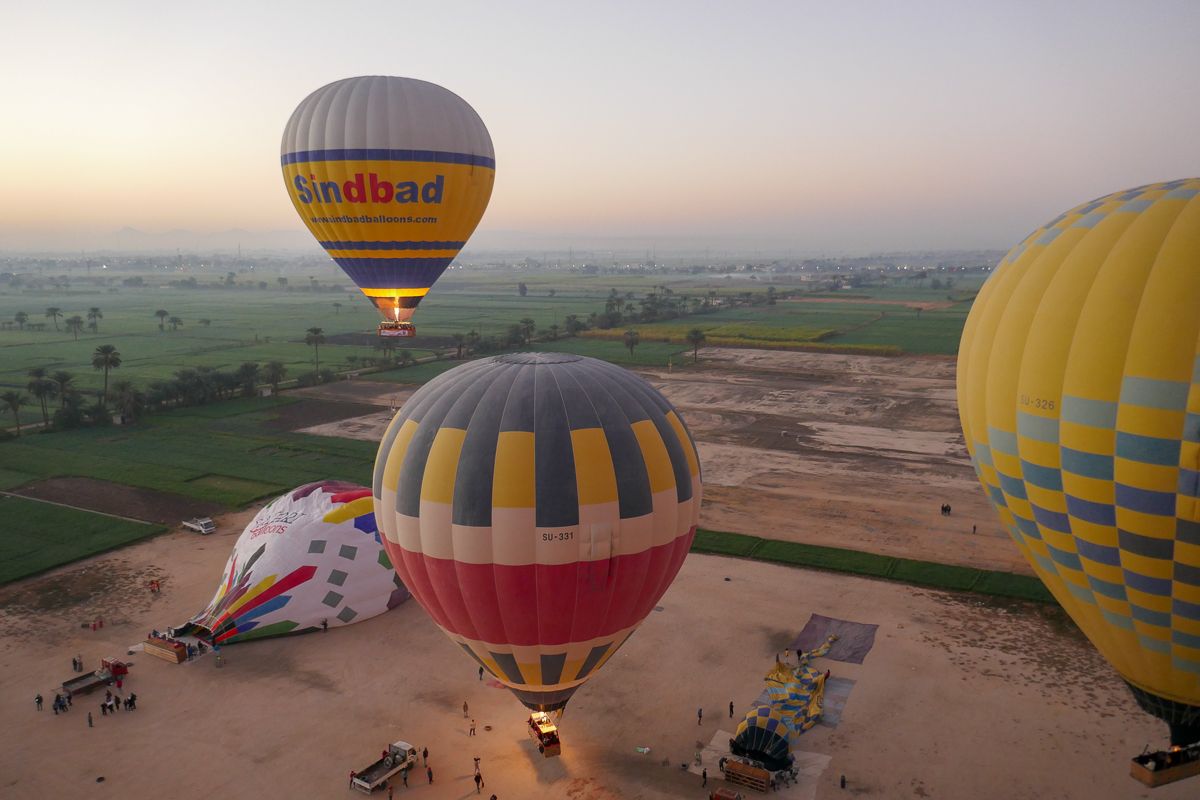
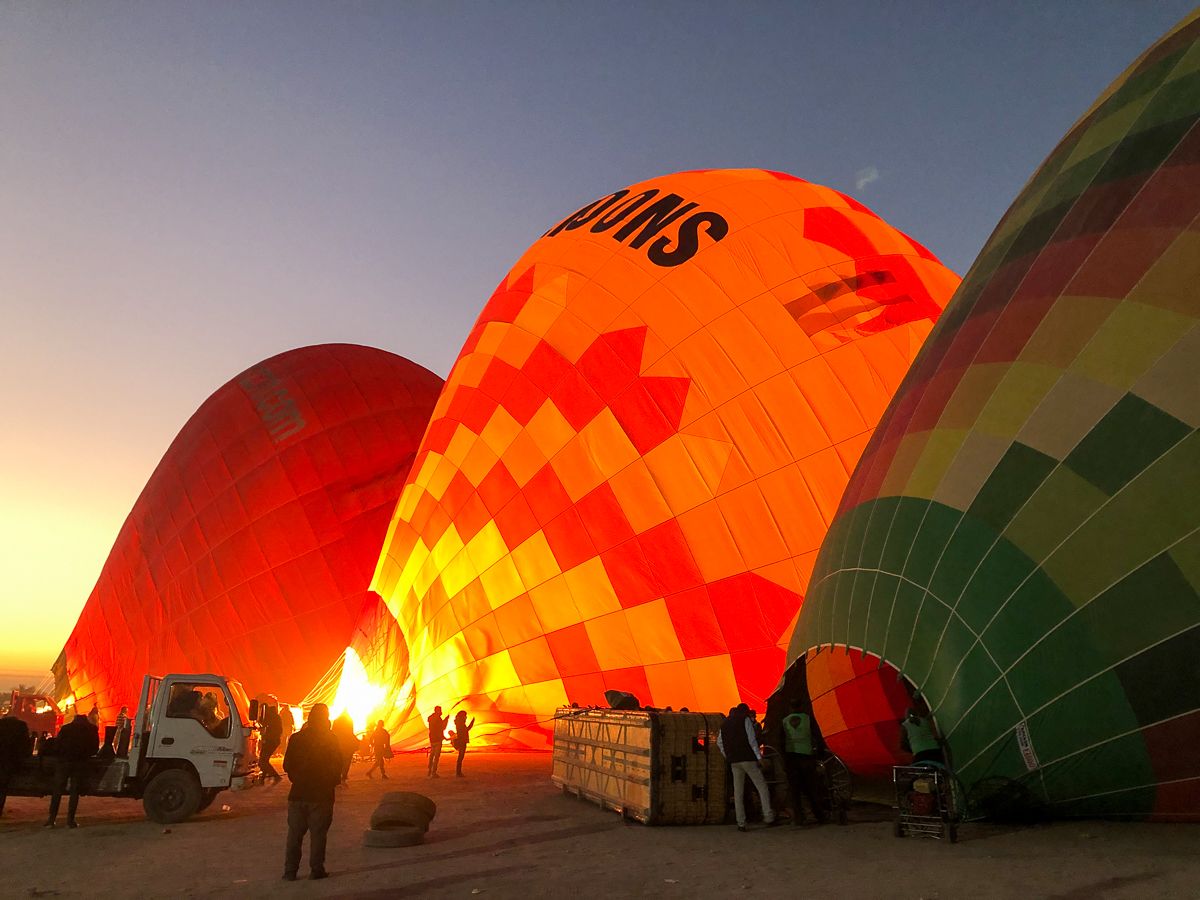
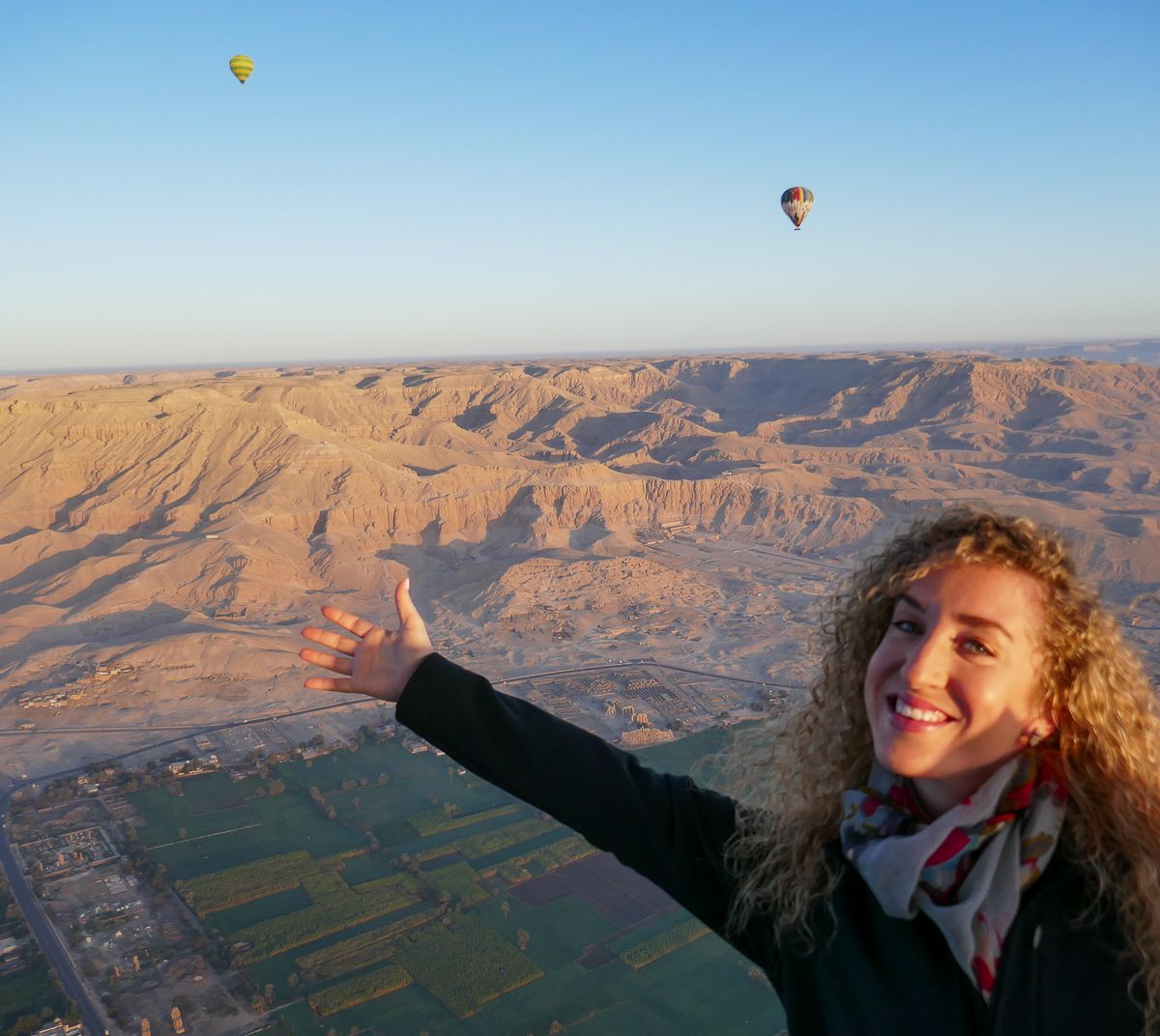
Kick off your day with a sunrise hot air balloon ride over Luxor and its magical landscape surrounding the Nile River! Brad and I reserved a spot with Hod Hod Soliman, a reputable company with impeccable safety standards and excellent reviews, for $85 USD per person. Try to pick a basket corner for the best views and to avoid feeling the intense heat of the burners.
Lift off into the air over lush sugarcane fields covered in fog and watch the sky change hues. Wait for the sun to illuminate impressive structures such as the Temple of Karnak (dedicated in part to the sun god Amun-Re) and Valley of the Kings (elaborate rock-cut tombs built to protect pharaohs in the afterlife). In ancient Egypt, the east bank (sunrise) and west bank (sunset) signified life and death, respectively.


Temple of Karnak
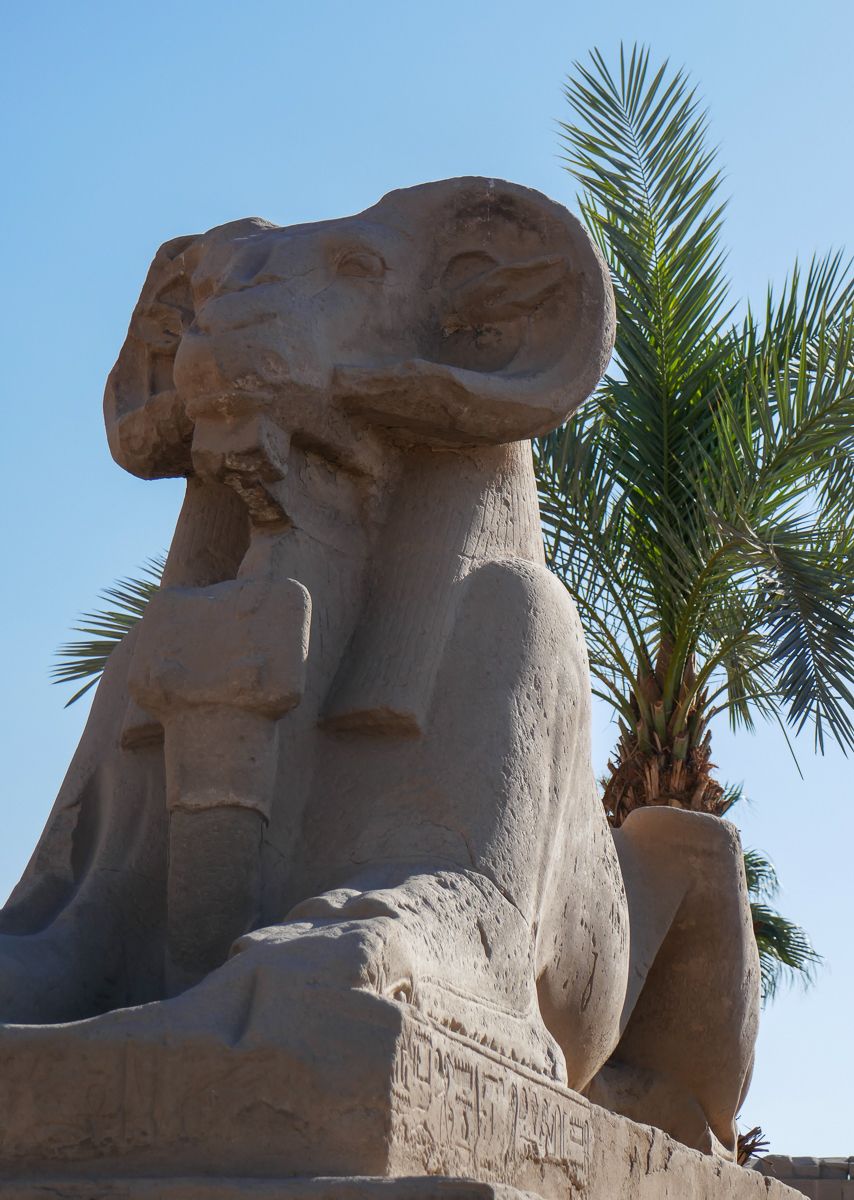
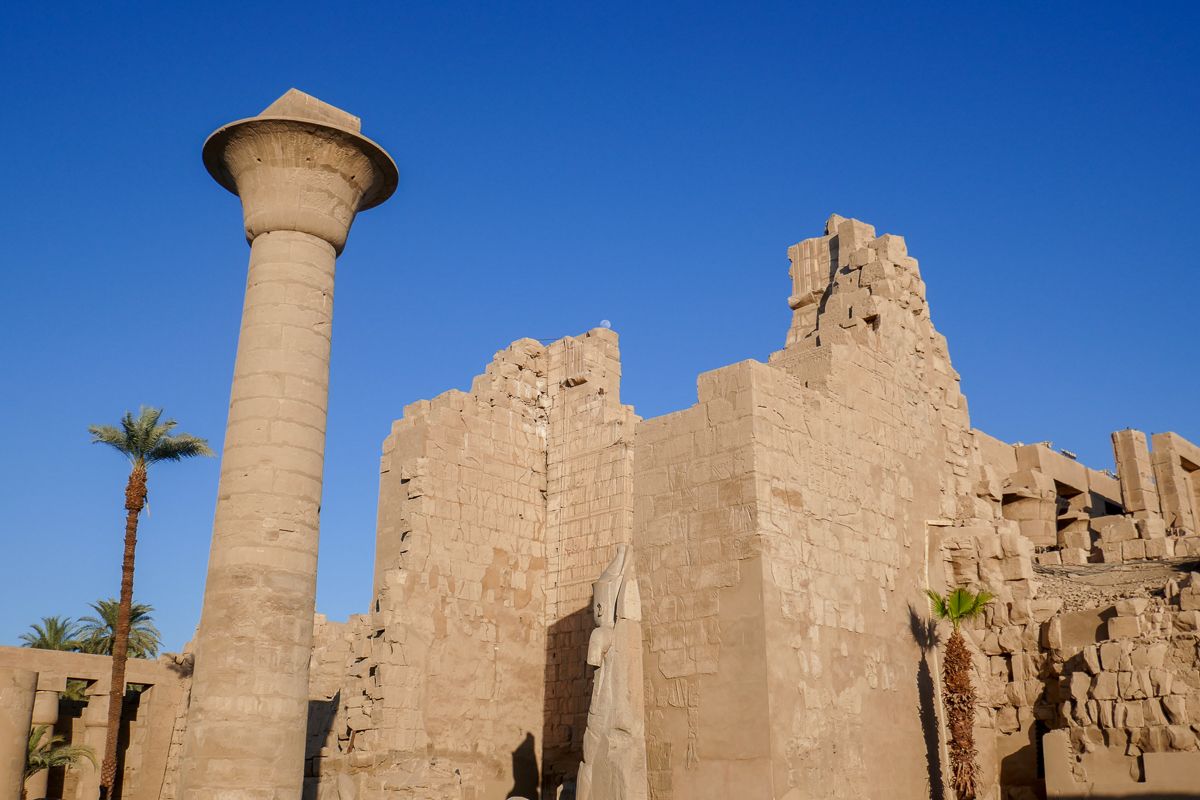
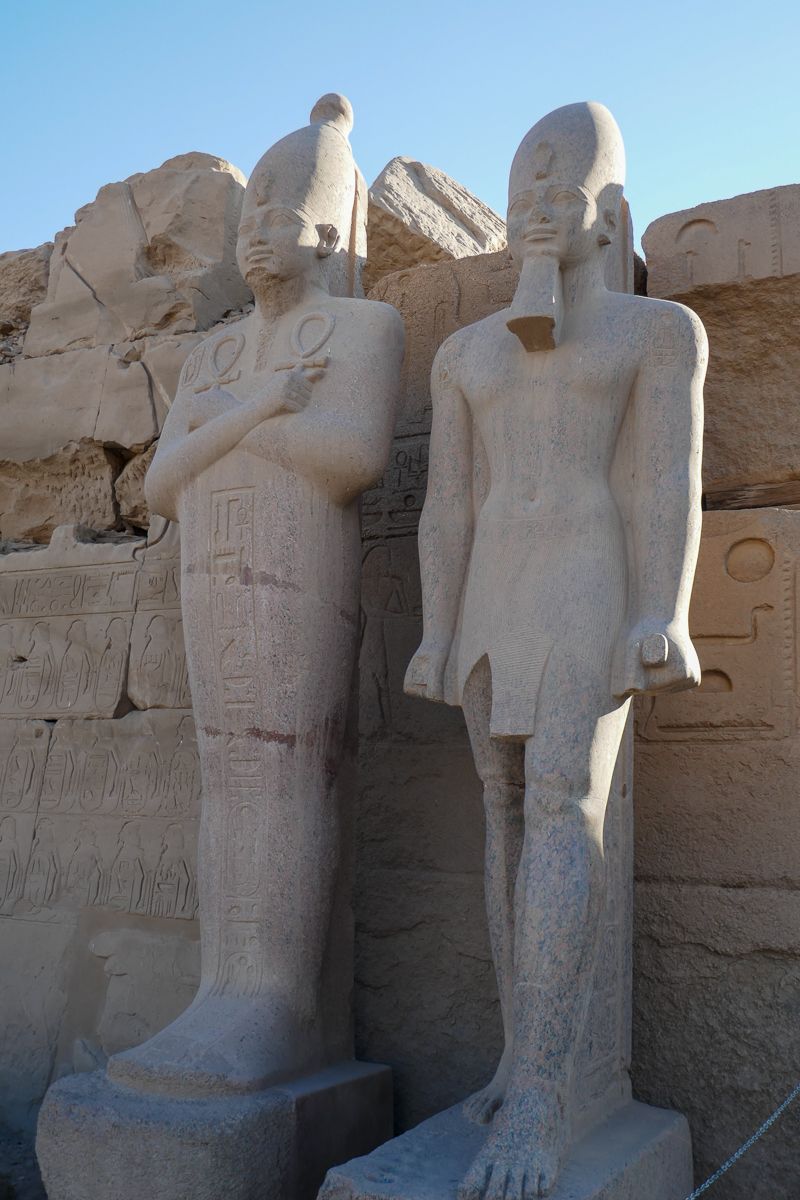
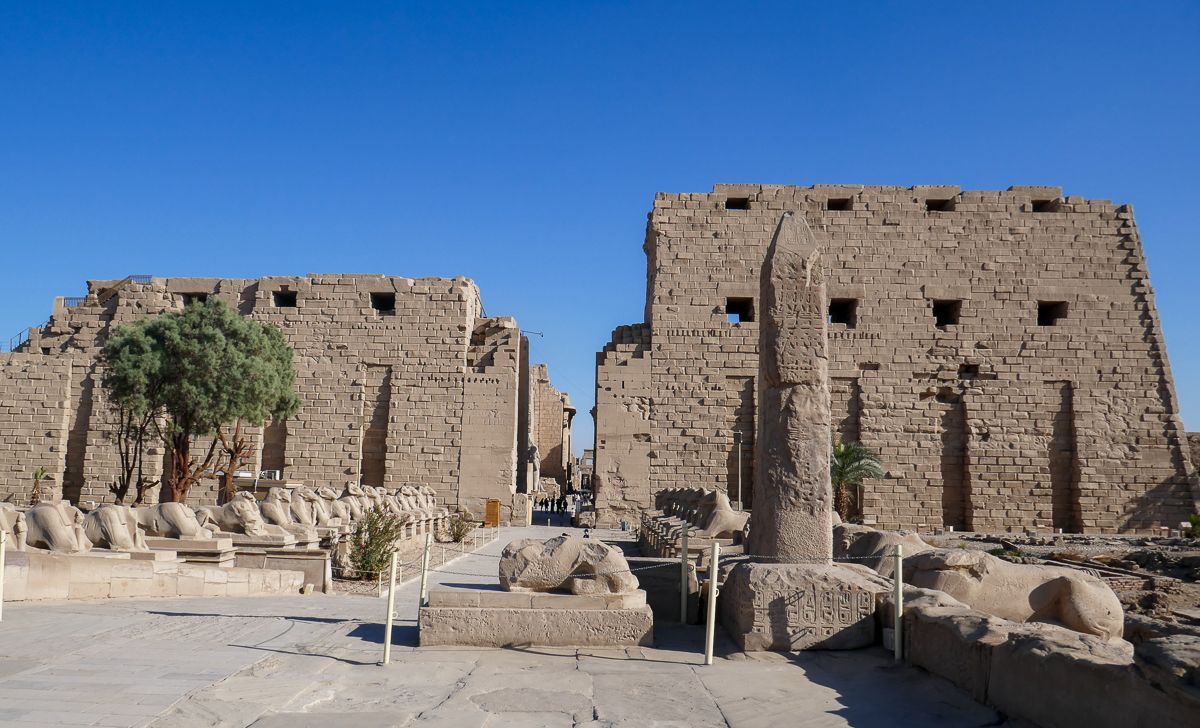
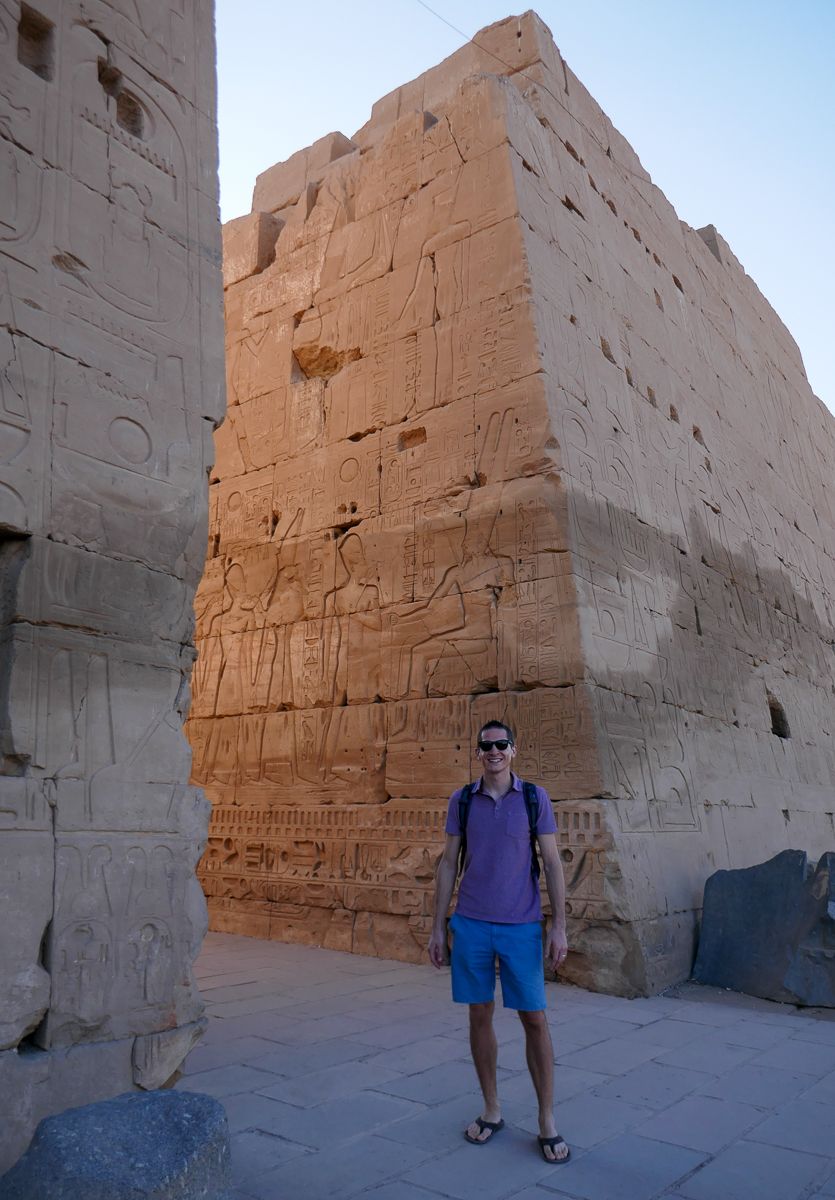
Prepare to be in awe as soon as your enter the Temple of Karnak. Several pharaohs contributed to the construction beginning in the Middle Kingdom up until the Ptolemaic Period (332-30 BC). The Avenue of Sphinxes, which once connected all the way to the Temple of Luxor, leads to the main complex. The Great Hypostyle Hall is an engineering marvel with its 134 columns in 16 rows representing papyrus. Don't miss the obelisk with exquisite hieroglyphics commissioned by Pharaoh Hatshepsut!




Valley of the Kings
In 1922, Howard Carter and his team discovered the small tomb of Pharaoh Tutankhamun filled with gold treasures in the Valley of the Kings. Travelers can step inside to view the mummy of the young ruler and admire colorful walls depicting scenes from the Book of the Dead (funerary text with spells). The recovered artifacts are now on display in the Grand Egyptian Museum.
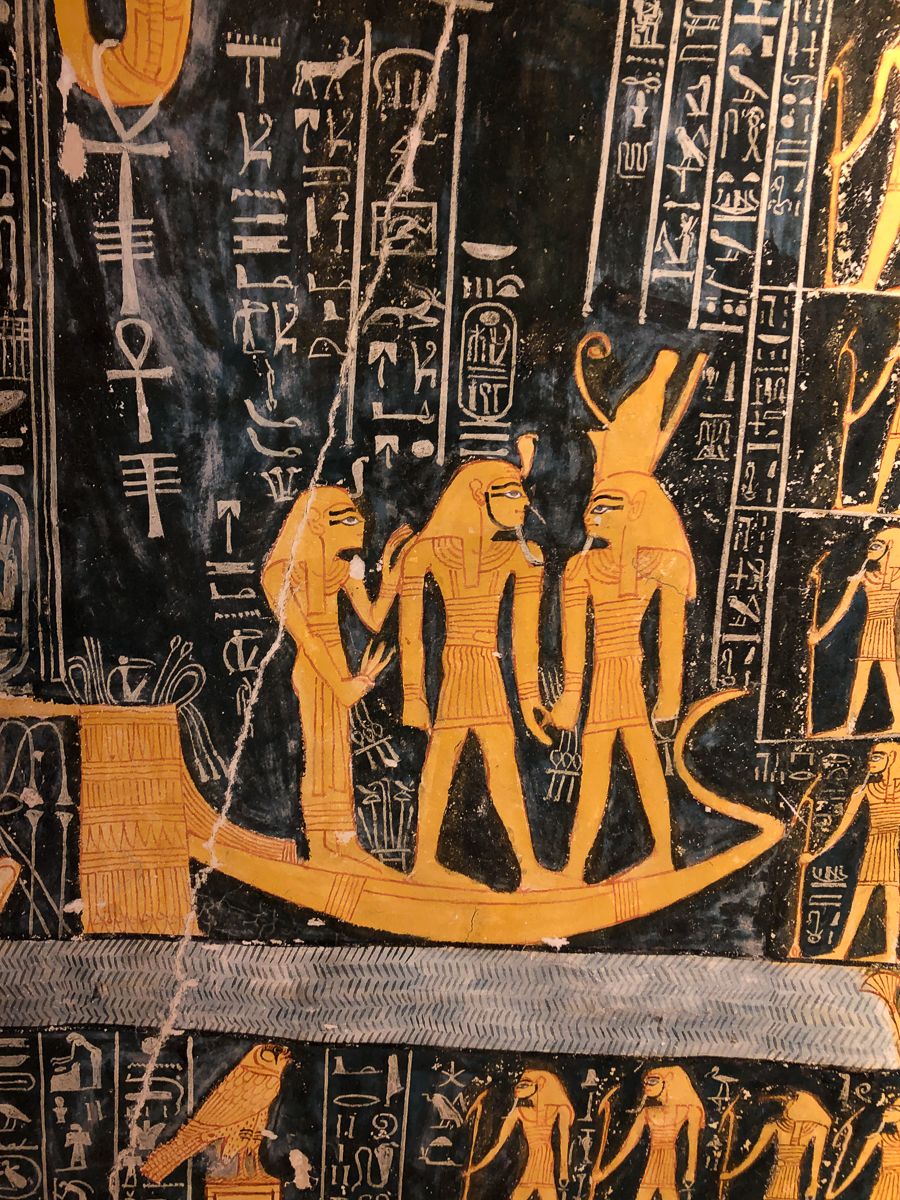
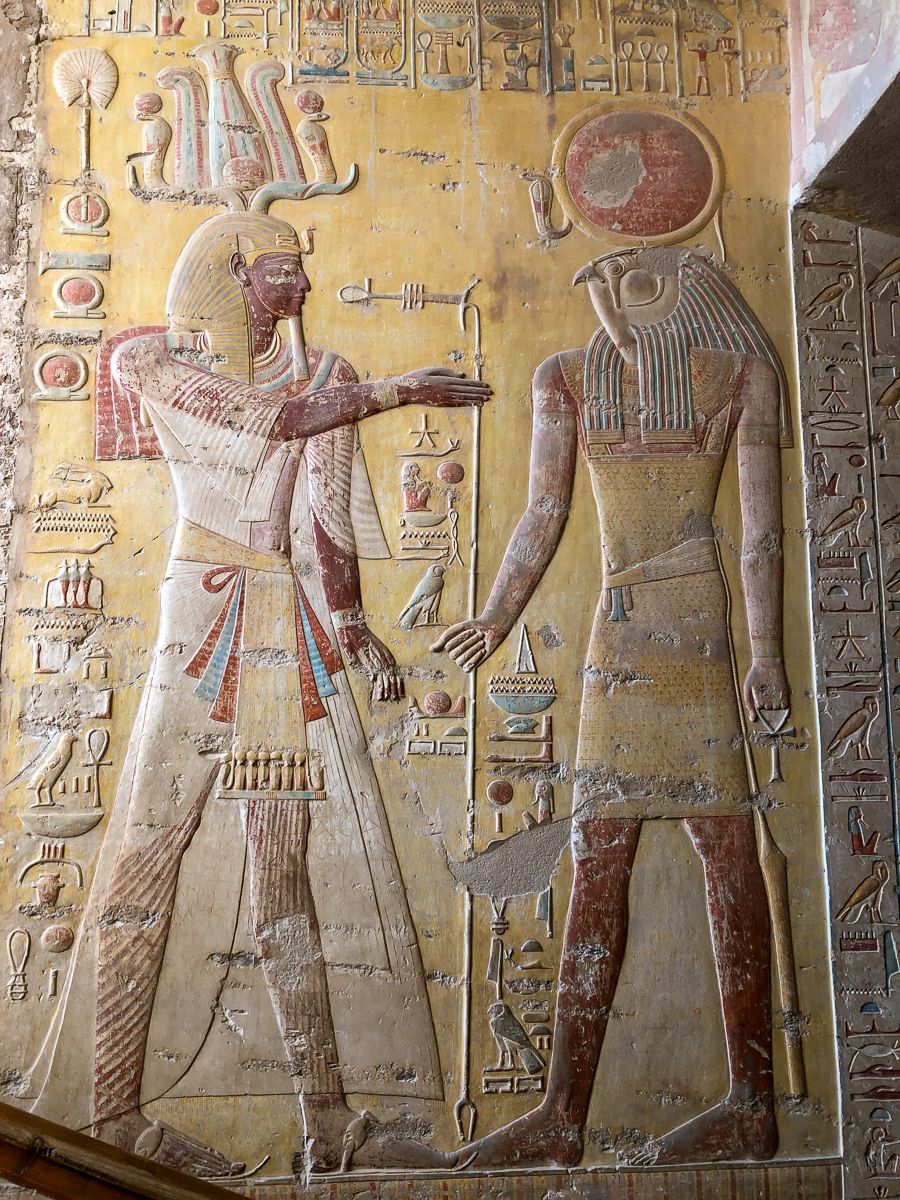
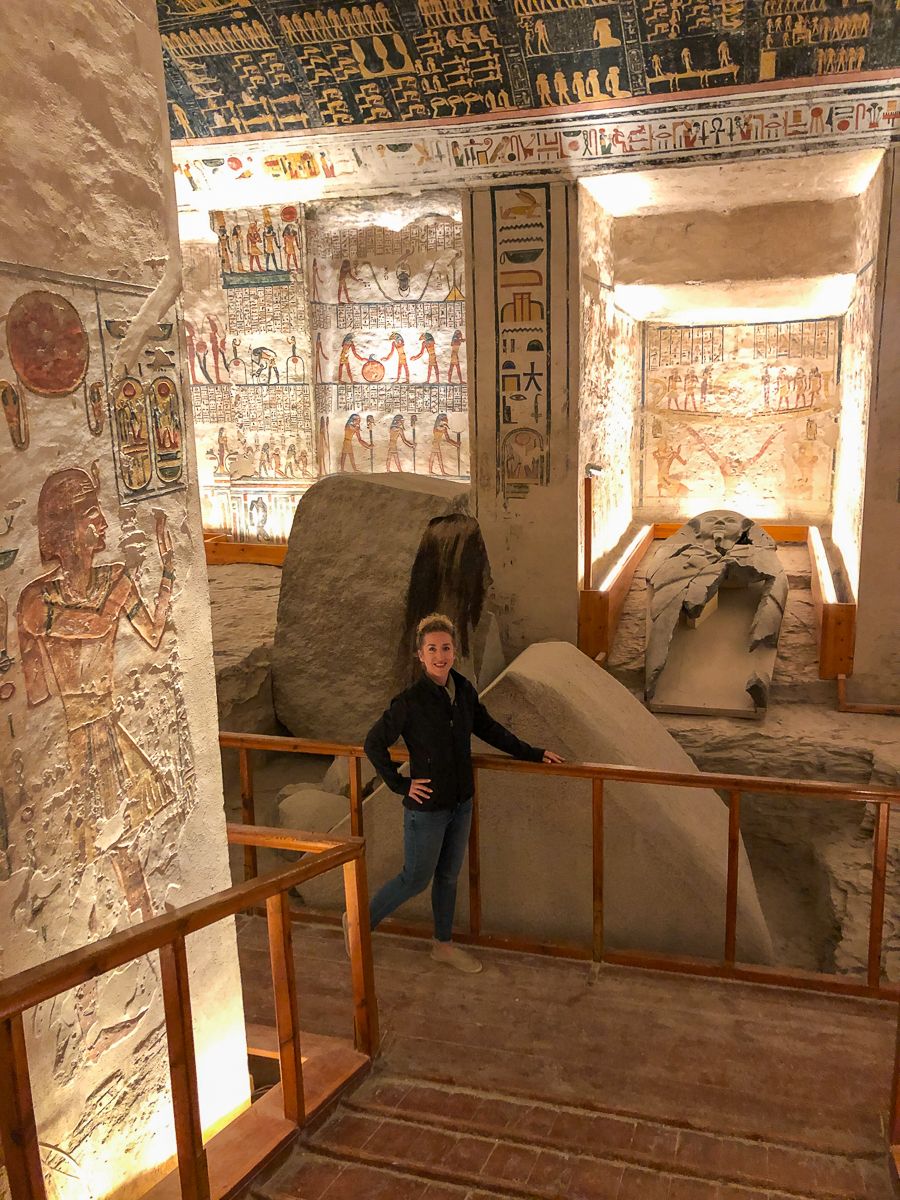
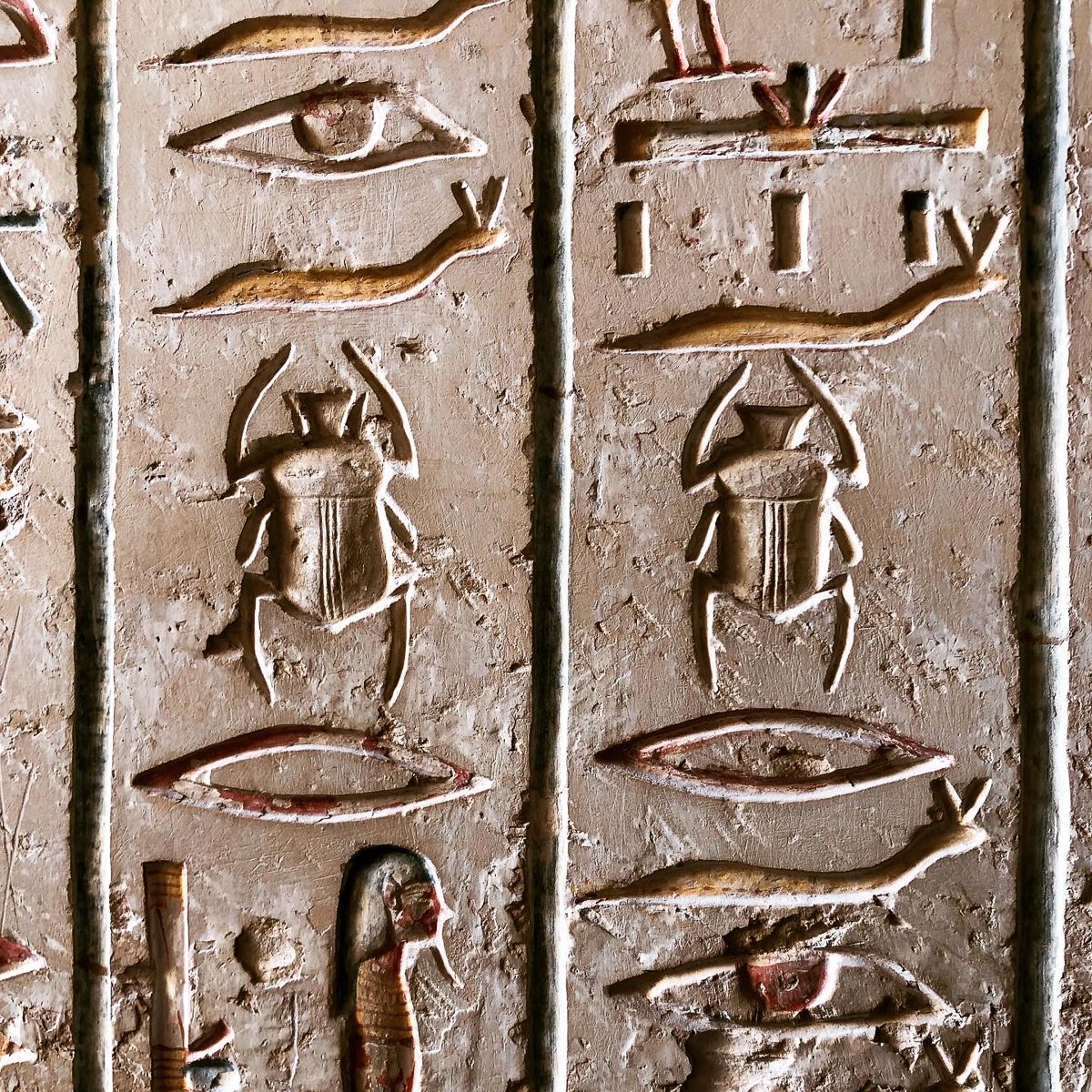
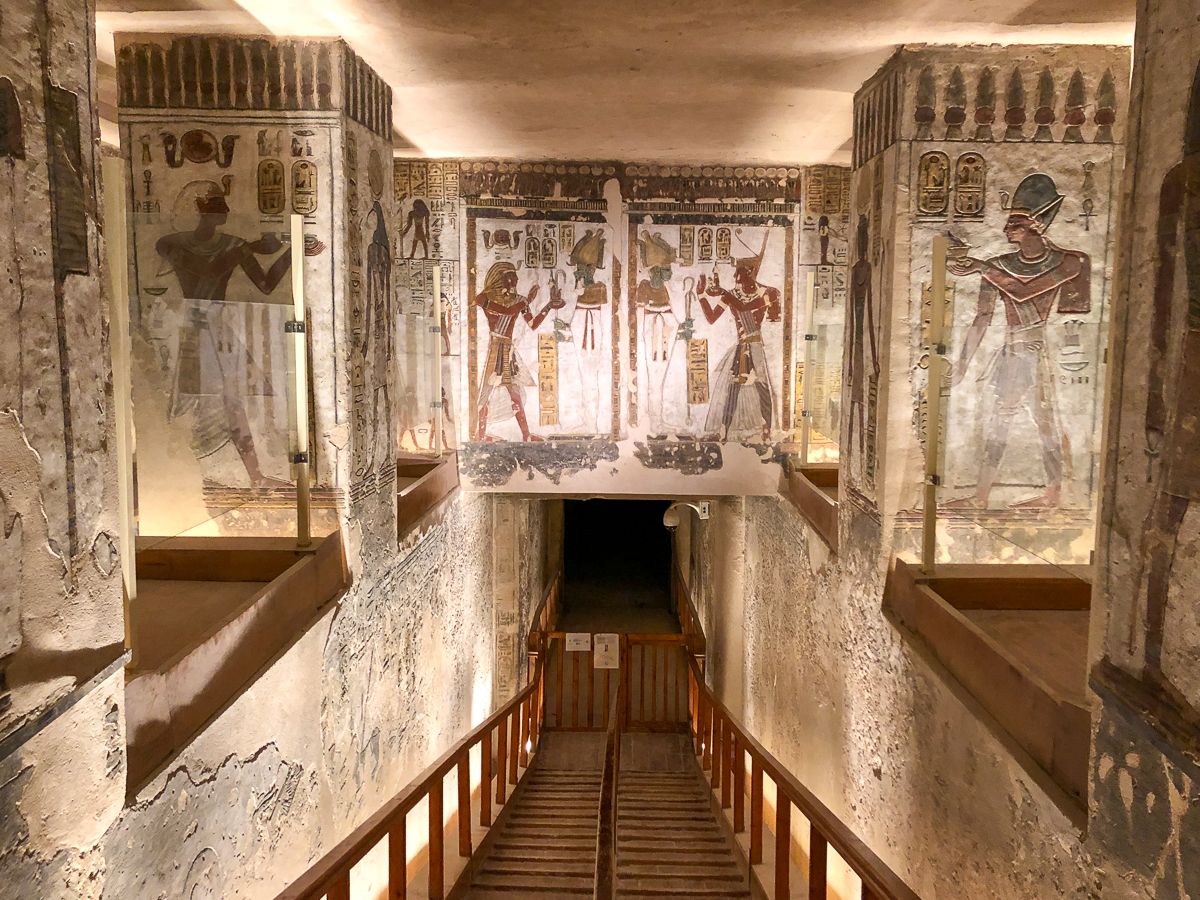
Only a select number of rock-cut tombs are open each day and some require a special ticket. Based on the recommendations of our guide, we explored the tombs of Rameses IX (KV 6), Merenptah (KV 8), Rameses III (KV 11), and Rameses V/VI (KV 9). Pharaohs spared no expense to craft mesmerizing tombs full of low reliefs, stone sarcophagi, and astronomical imagery. The expert craftsmanship of this sprawling necropolis is remarkable!




Temple of Luxor
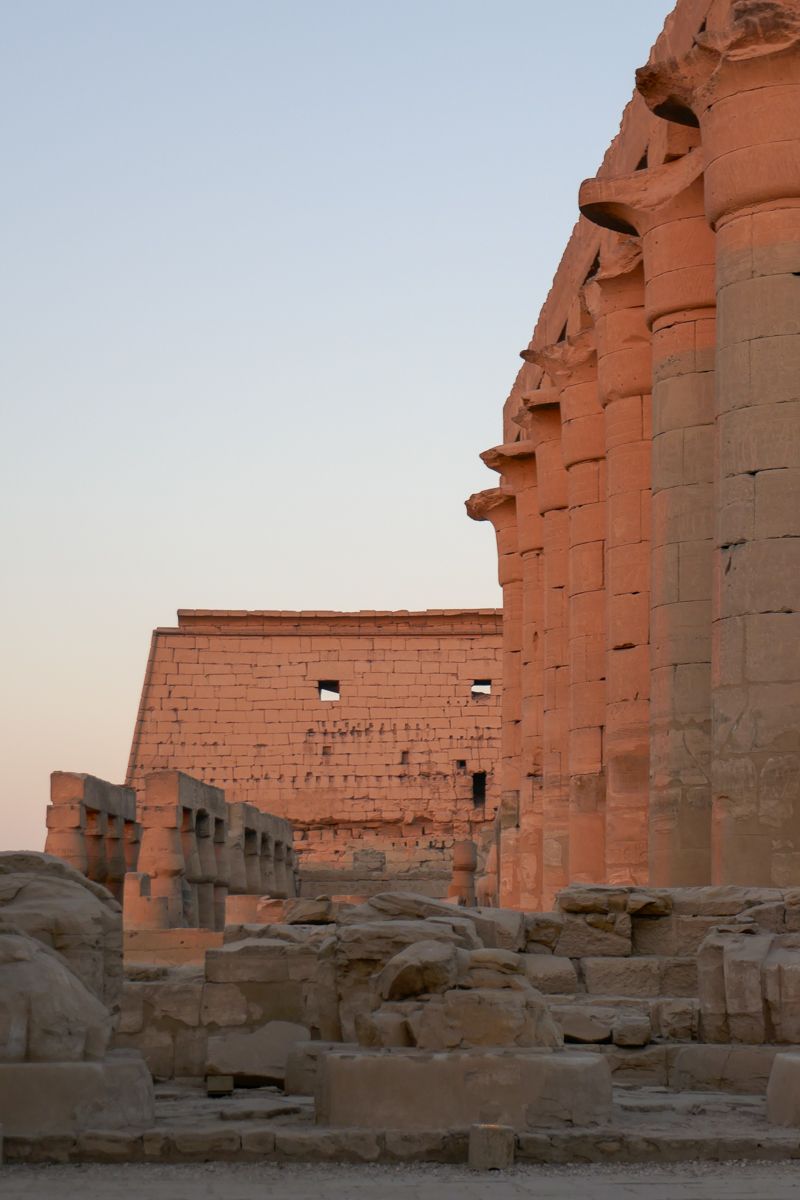
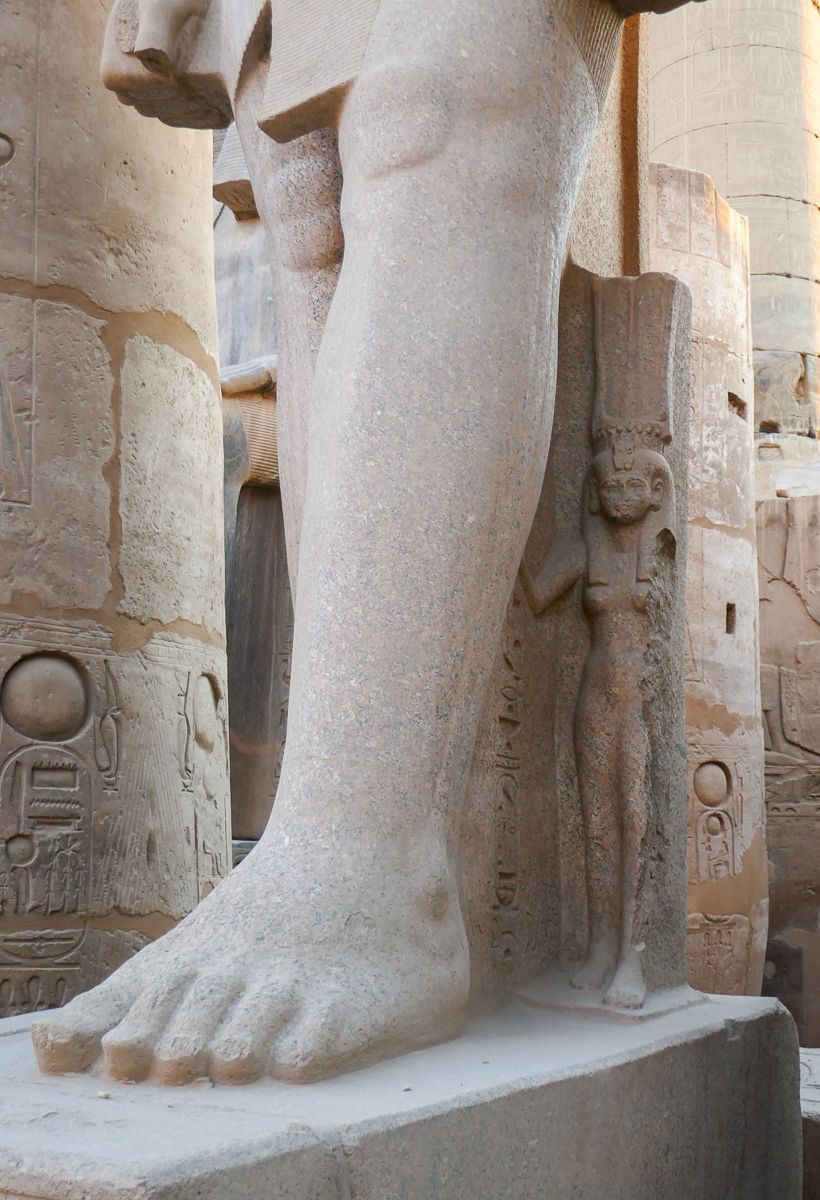
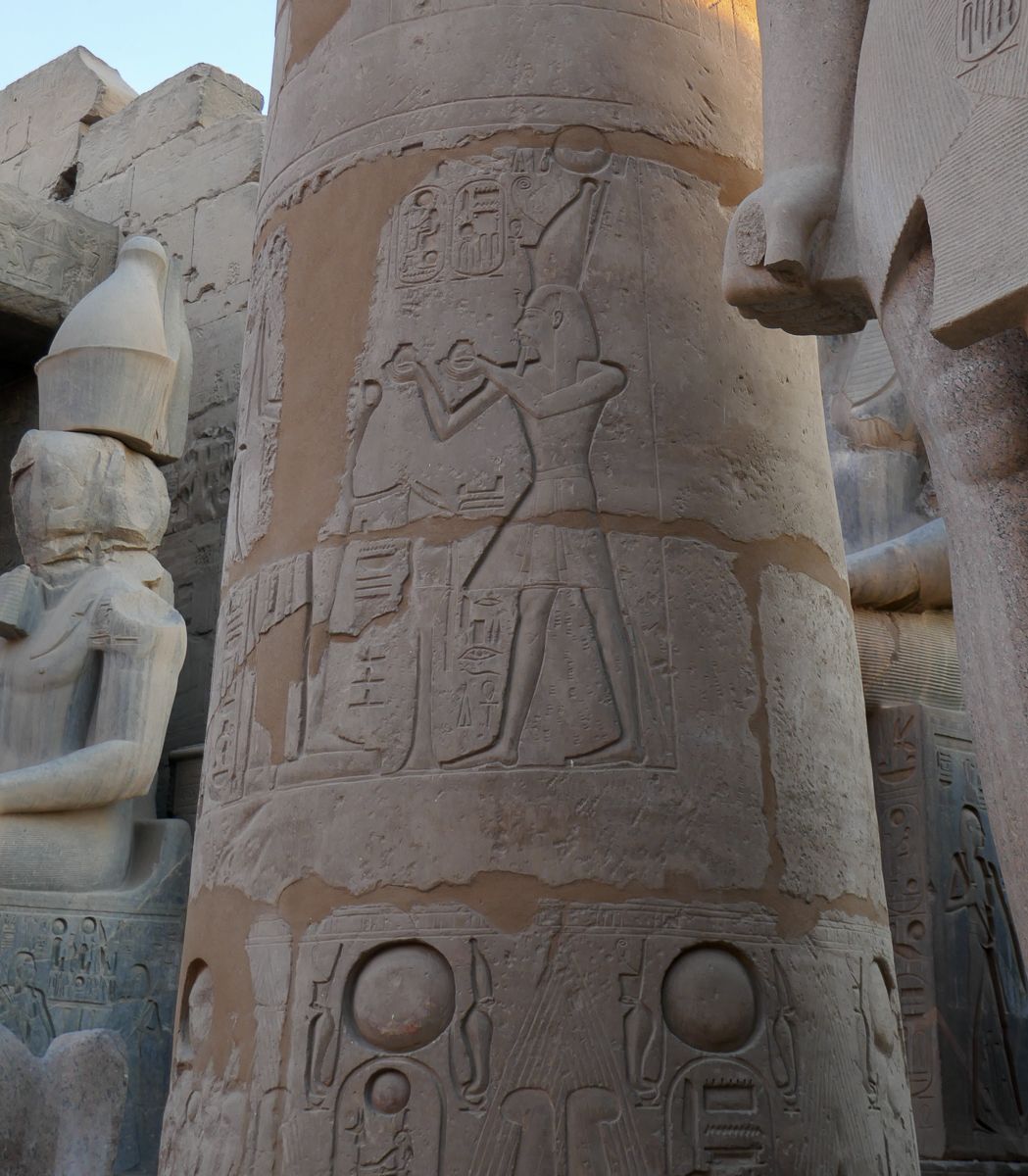
Most pharaohs desired to leave a lasting legacy behind in stone monuments and temples. These symbolic structures were important ceremonial sites for priests to perform rituals and provide offerings to honor the gods. First commissioned by Pharaoh Amenhotep III in 1400 BC, the Temple of Luxor partly deviated from this tradition by also functioning as a coronation location.
Pharaoh Rameses II eventually completed the temple and glorified his reign with imposing granite statues and sandstone hieroglyphics. Originally, two obelisks flanked the entrance, but one was moved to Paris in 1833. I highly recommend touring the temple at dusk for a spooky experience. The contrasting warm lights and night sky create an otherworldly ambience!




Mortuary Temple of Hatsepshut
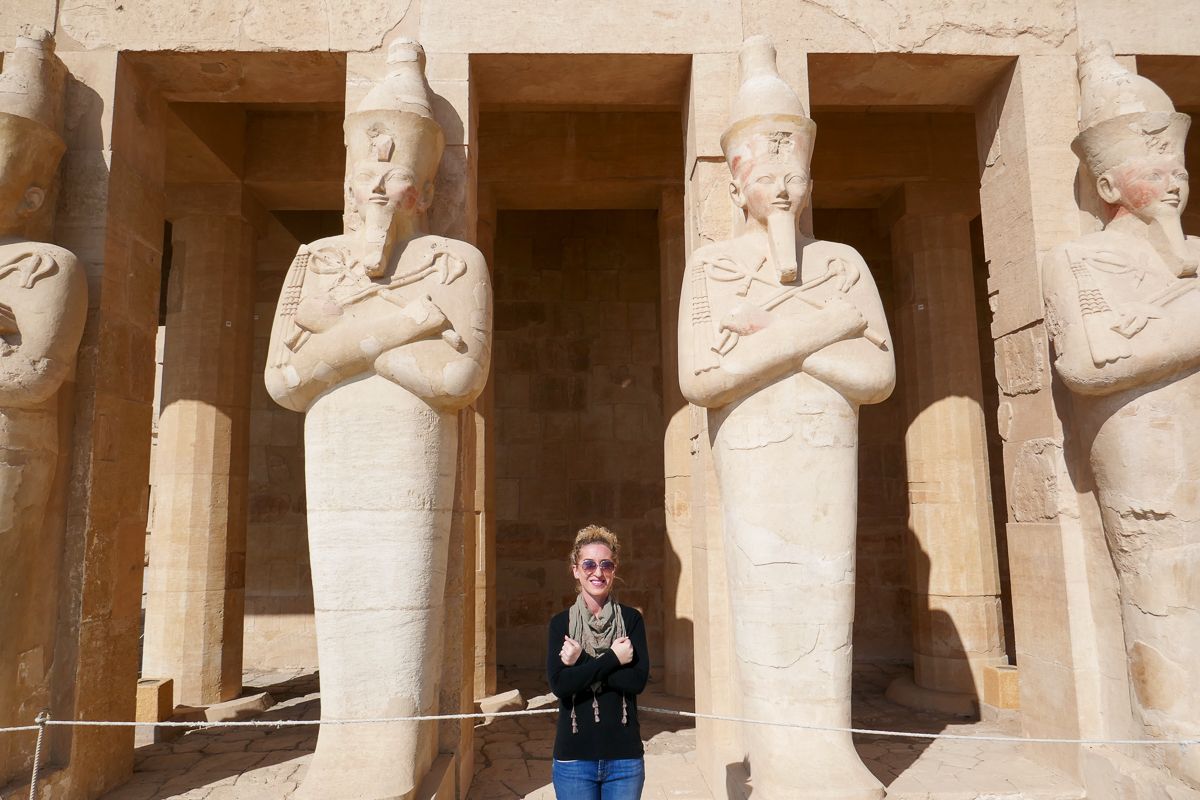
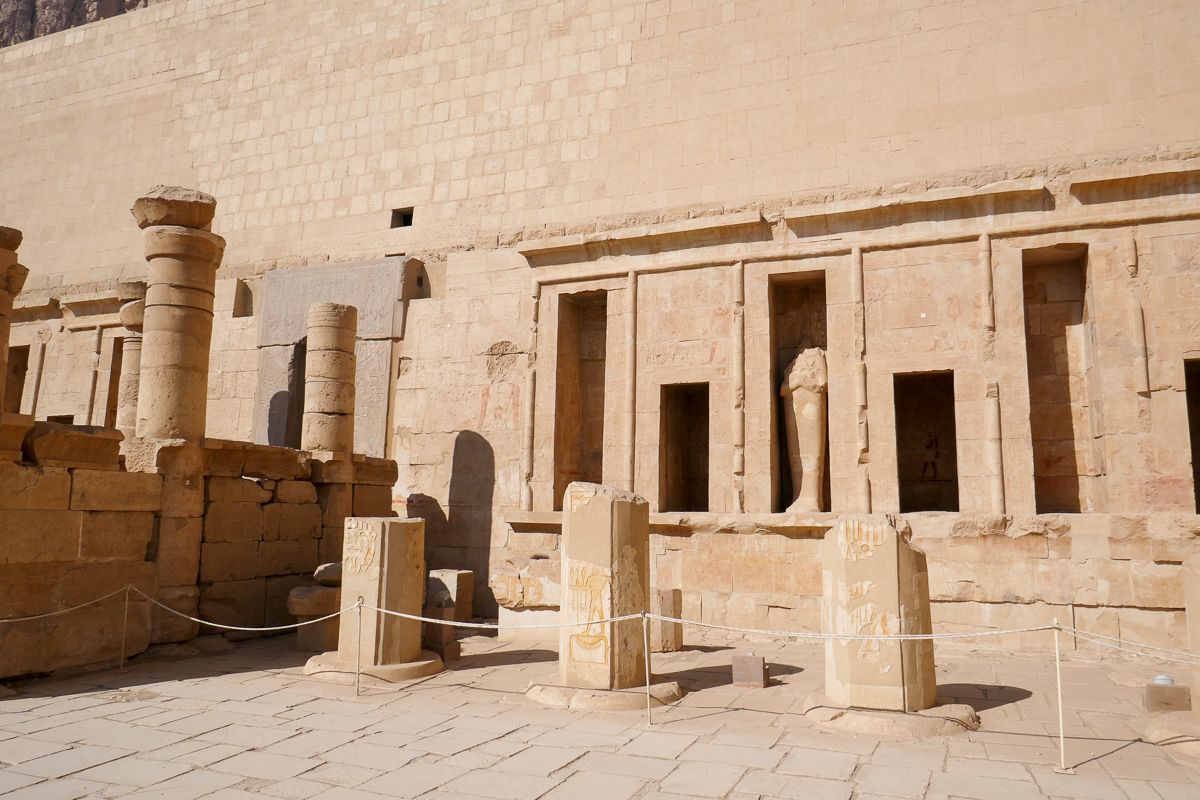
On the other side of the Valley of the Kings is a striking temple fit for a queen. Commissioned during the Middle Kingdom, the Mortuary Temple of Hatsepshut is composed of three colonnaded terraces connected by ramps which meld into a backdrop of limestone cliffs. The dramatic entrance makes a memorable impression!
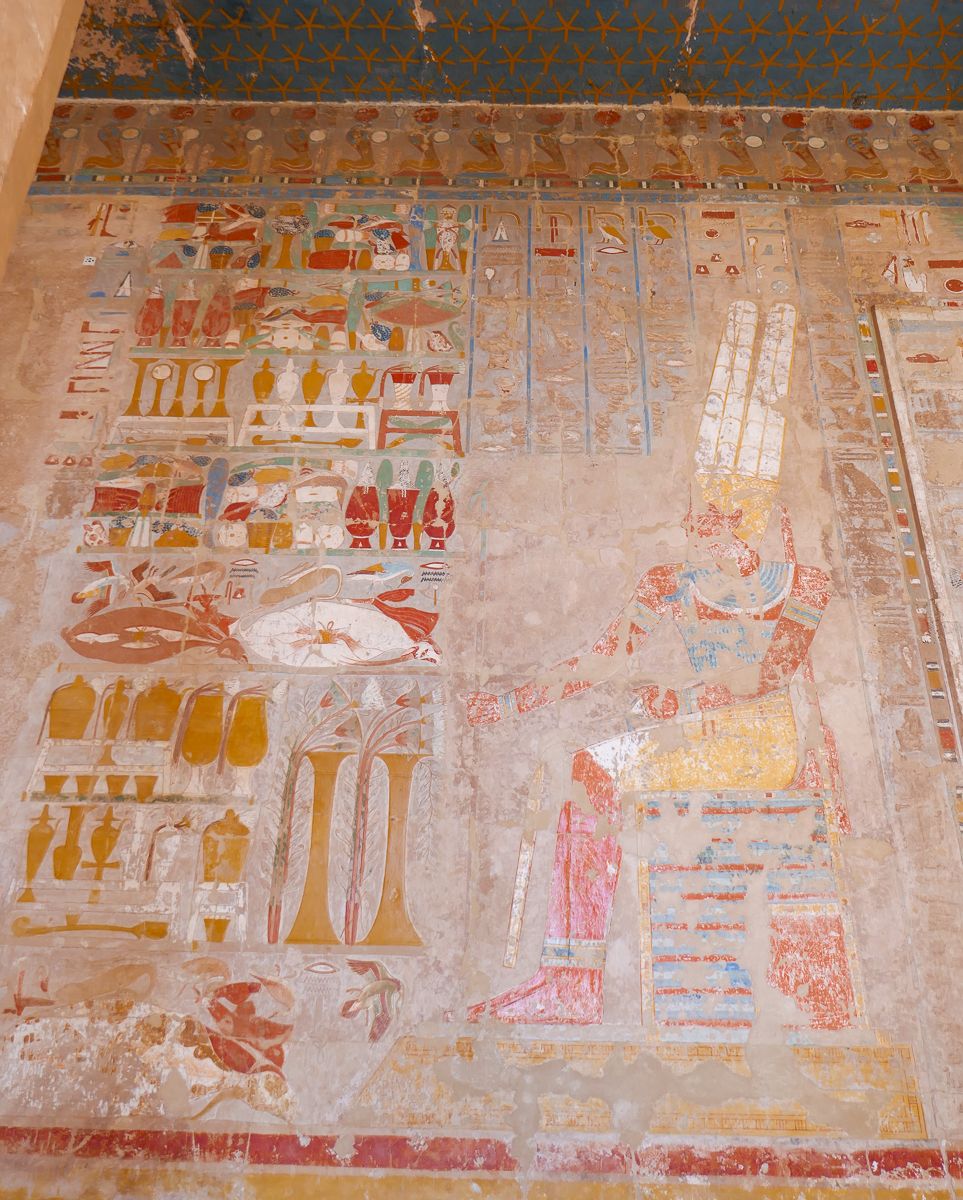
Although partially destroyed by her successor Pharaoh Thutmose III, colorful reliefs showing her coronation and divine birth as the daughter of Amun-Re still survive. Identical Osiride statues of Pharaoh Hatshepsut show her wrapped in a mummification shroud while holding the crook and flail (symbol of royal authority). Honoring the rebirth god Osiris in this way legitimized her rule and reinforced the importance of the afterlife.

Mortuary Temple of Rameses III
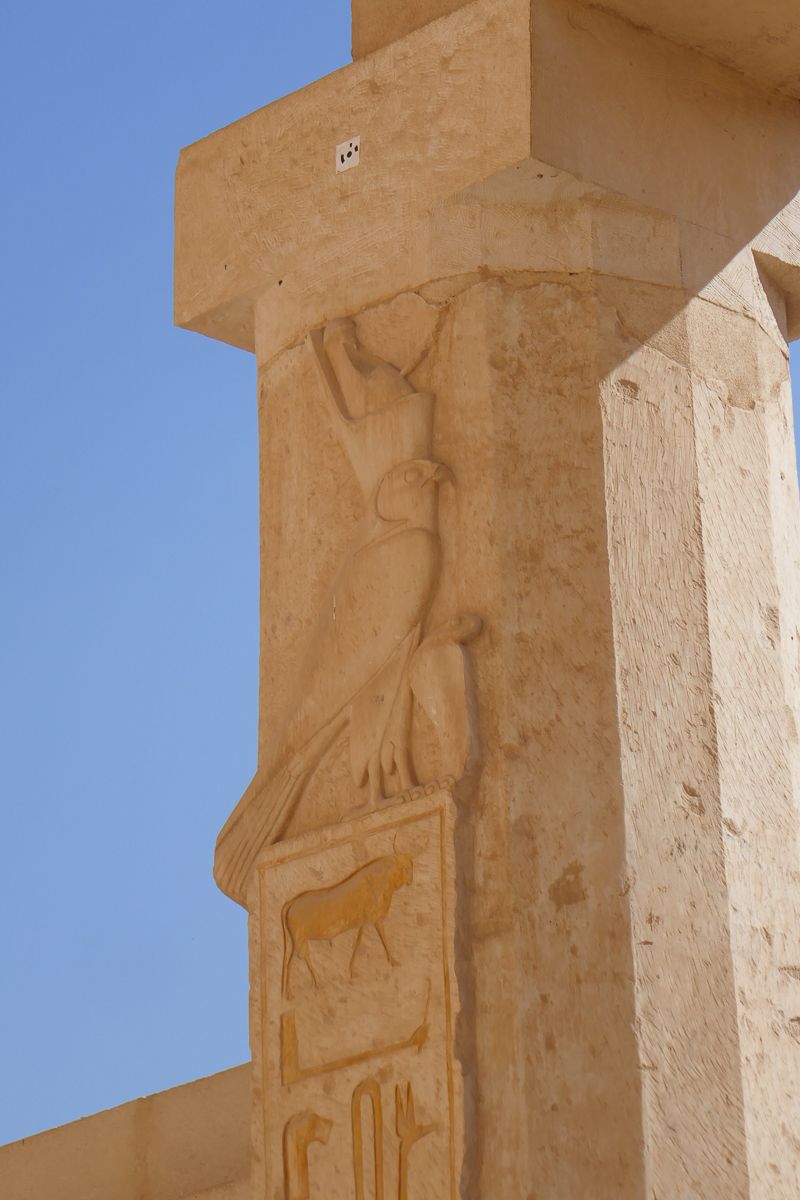
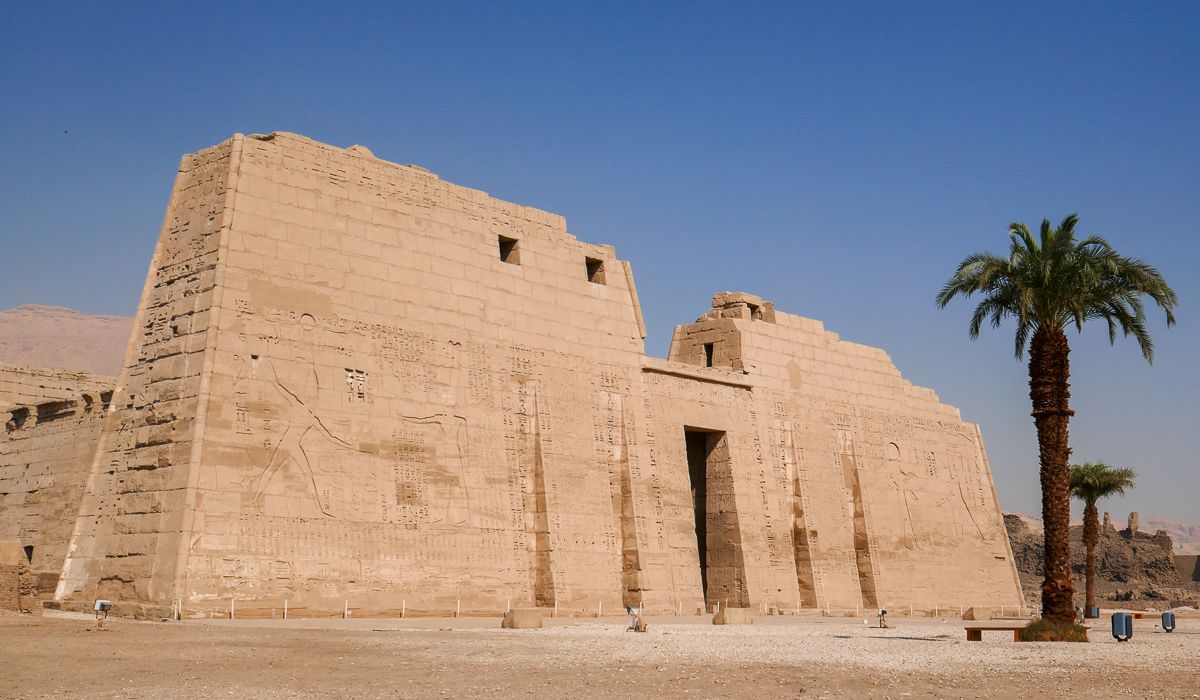
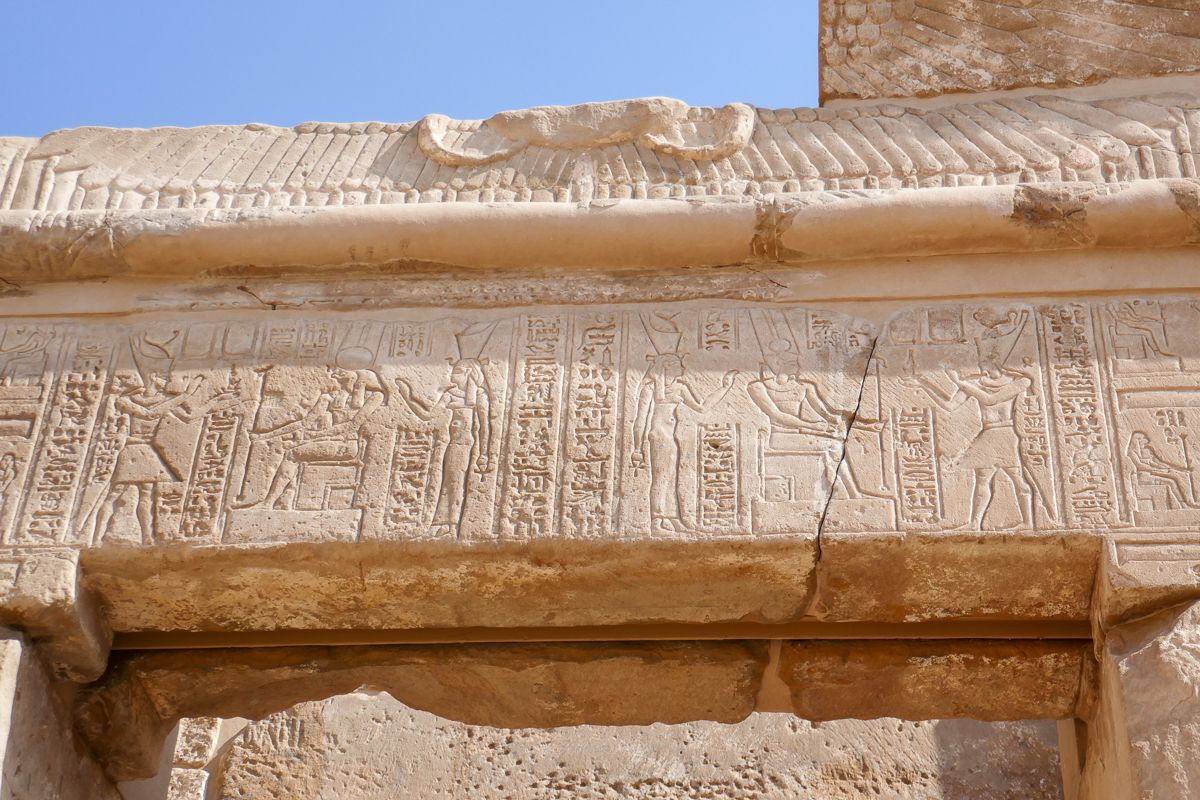
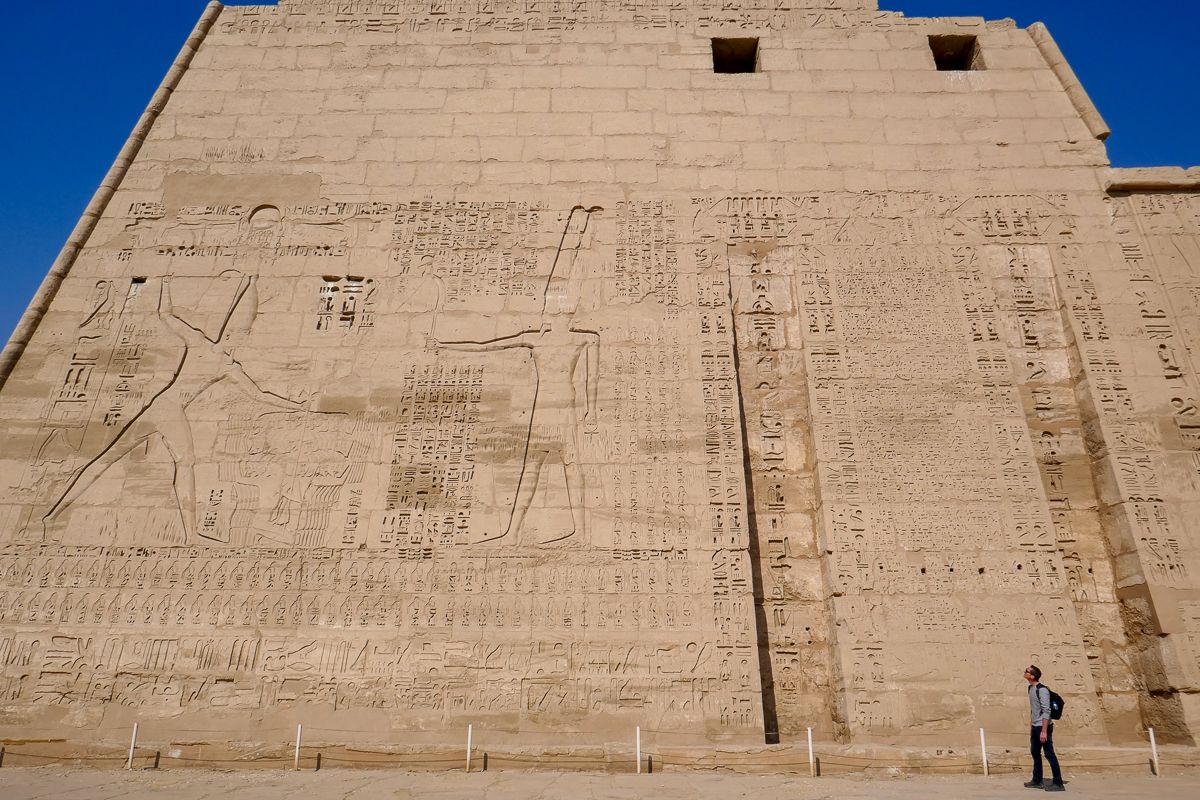
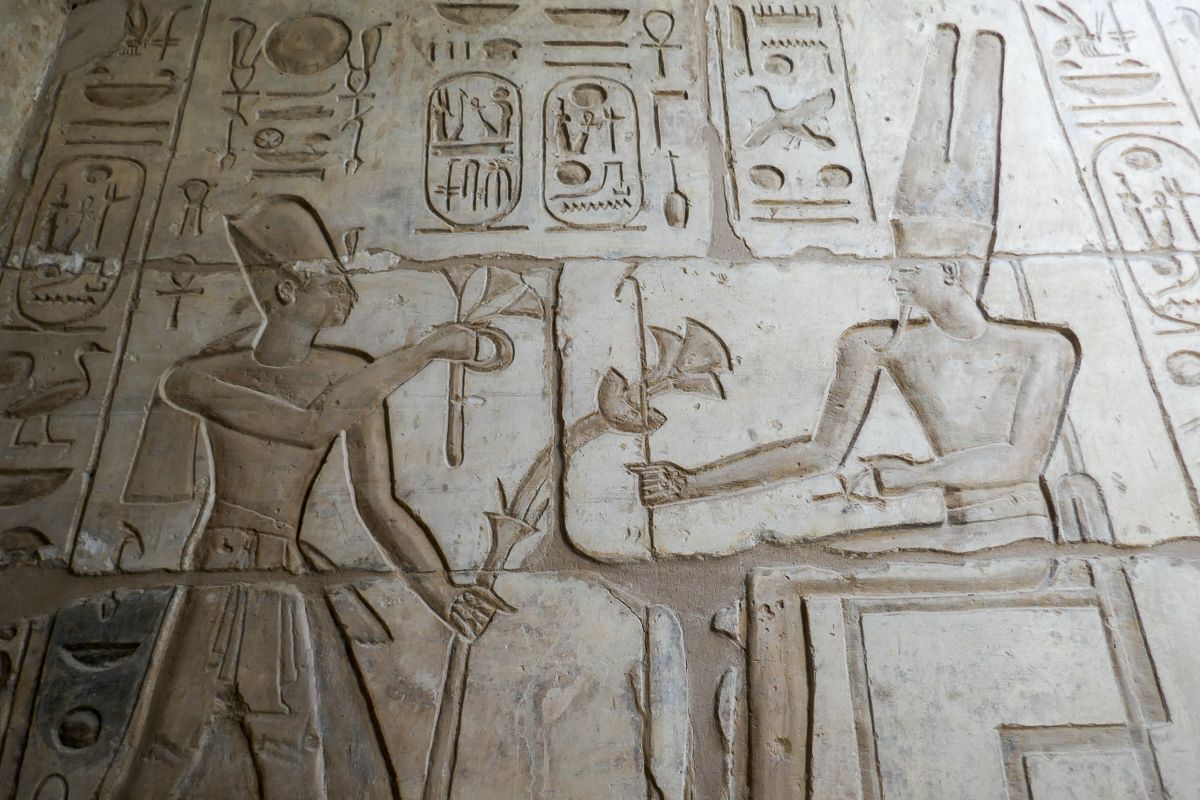
Looking for an off-the-beaten-path site with more than 75,000 sq ft (6,967.7 sq m) of hieroglyphics and sunken reliefs? The Mortuary Temple of Rameses III is sure to please with its vibrant blue paint, peristyle containing papyrus columns, and enormous pylons! Animated scenes depict Pharaoh Rameses III and his victory over the Sea Peoples who were trying to invade Egypt. Check out the ceiling as you make your way through the courtyards to see images of ornate vultures.


Tombs of the Nobles
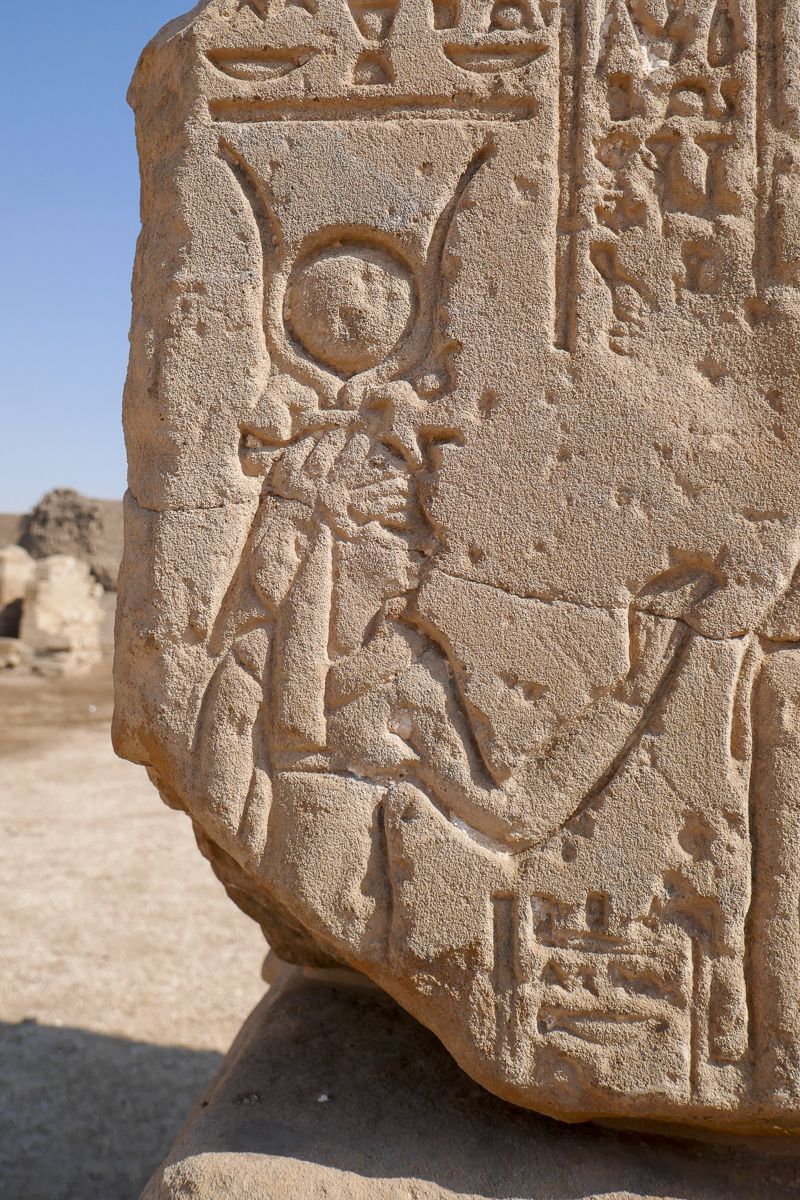
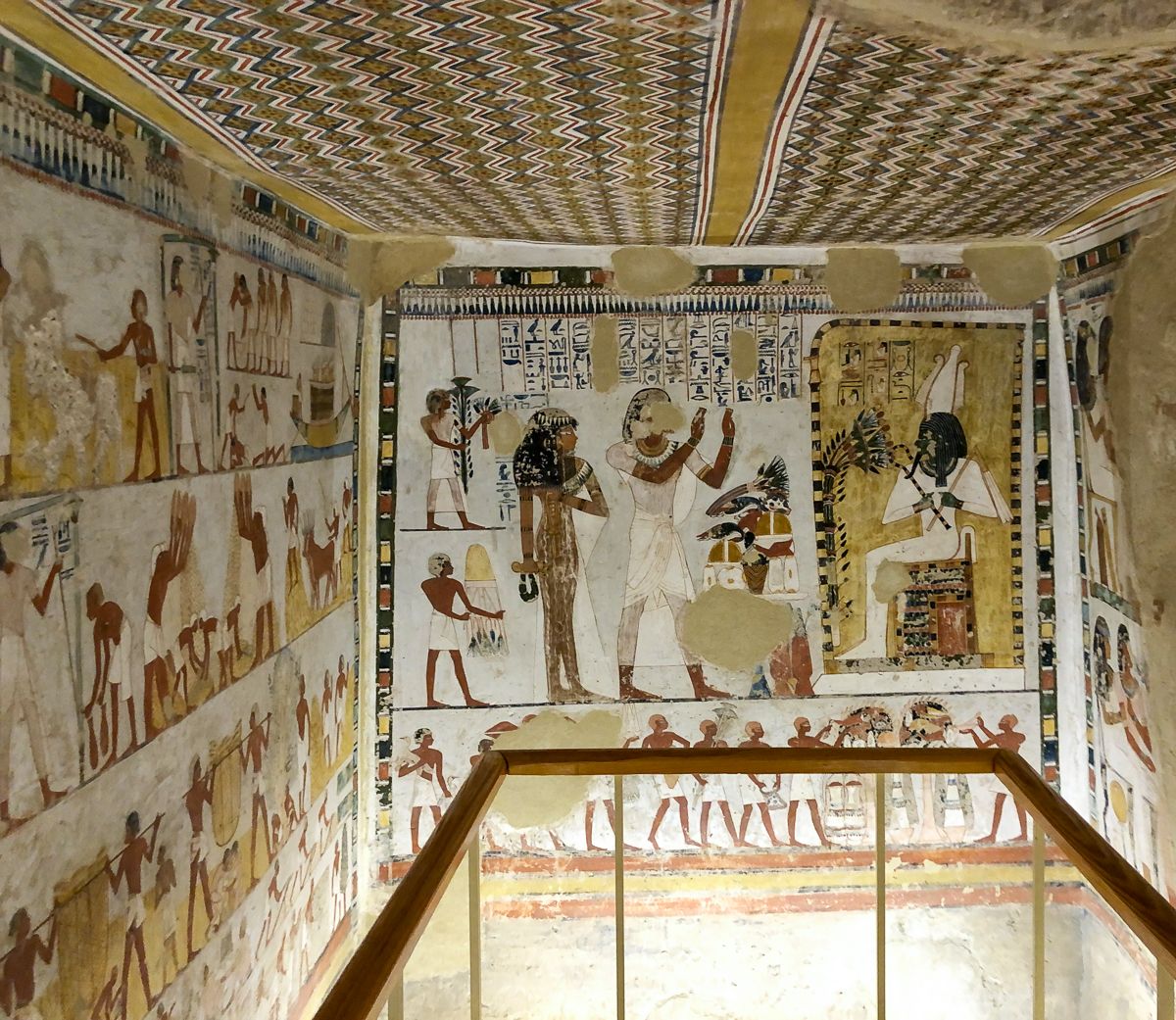
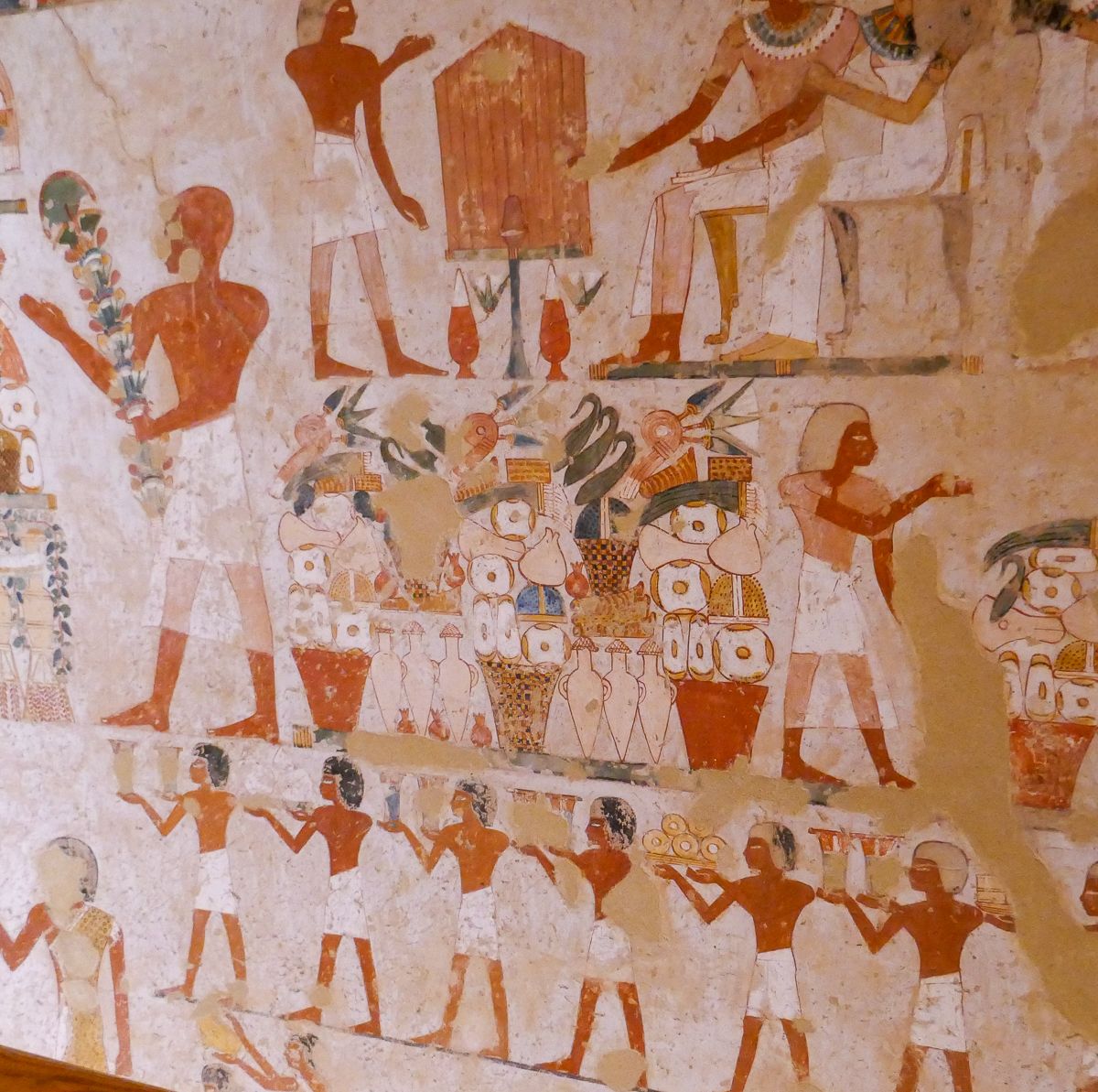
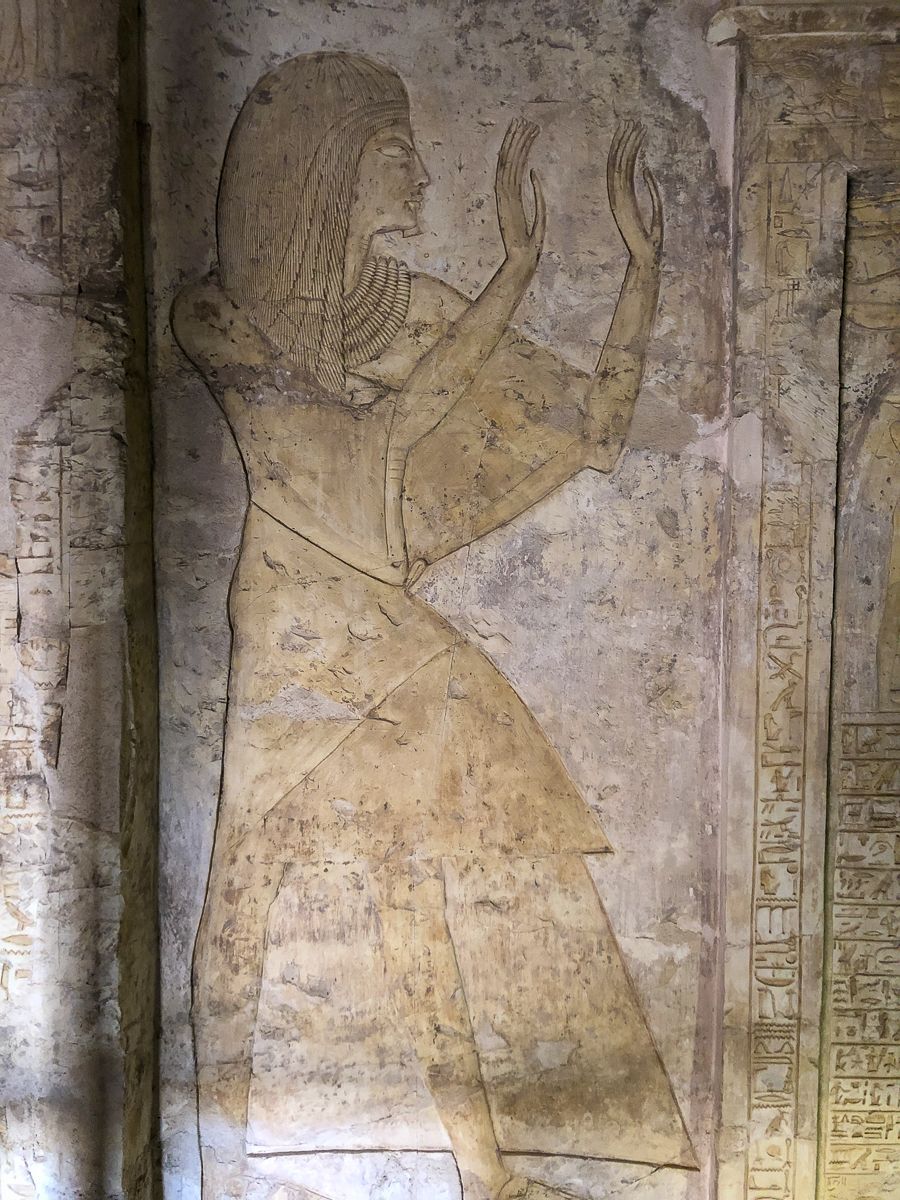
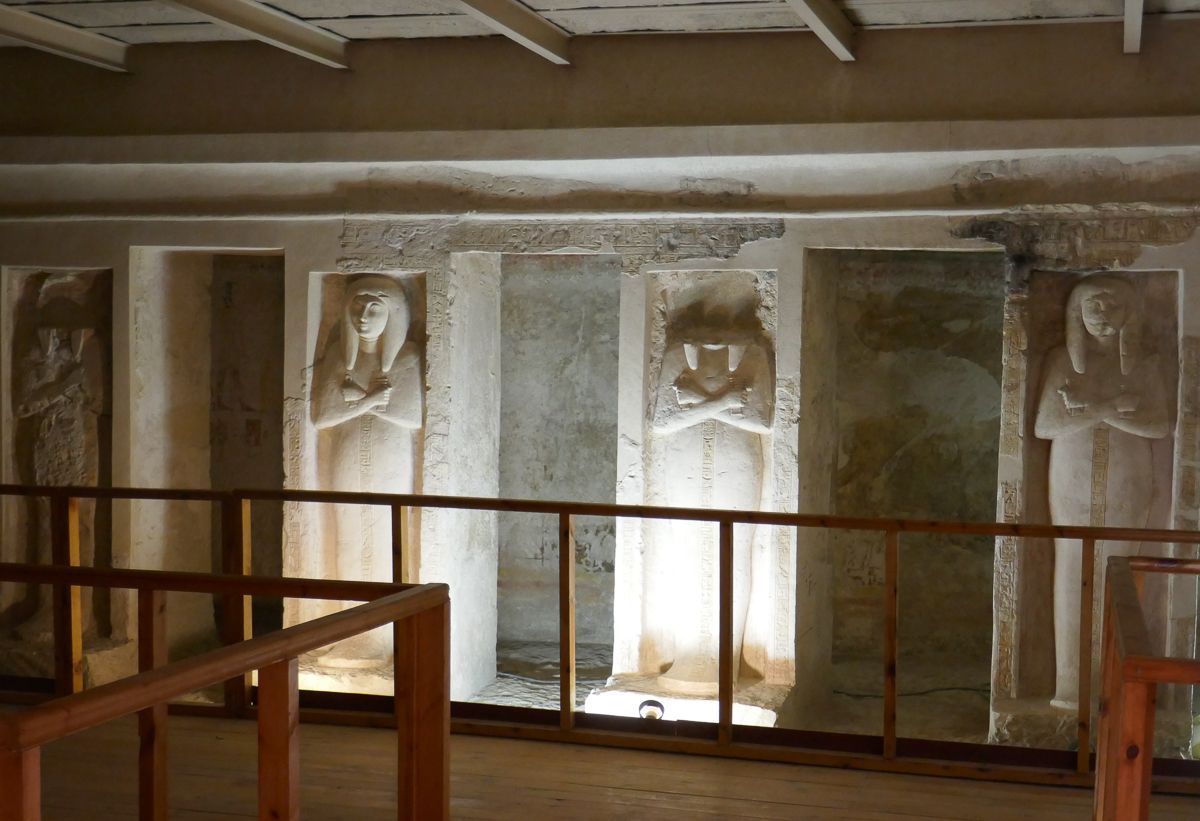
Pharaohs weren't the only ones buried inside of decorated tombs. Prominent nobles, priests, merchants, soldiers, and officials commissioned rock-cut tombs or mud-brick mastabas of varying sizes with painted scenes of everyday life. Slaves, livestock, and supplies were popular subjects to ensure a prosperous afterlife. Noteworthy motifs include figures bestowing gifts to Osiris and hieroglyphic spells from the Book of the Dead to guide the deceased.
Brad and I bought a Tombs of the Nobles combo ticket to see the tombs of Menna (TT 69), Nakht (TT 52), and Amenemopet (TT 41). The beautiful dry frescoes were incredibly preserved in the compact spaces. I highly recommend purchasing as many combo tickets as possible since most of the tombs are close together and don't take much time to visit.


Colossi of Memnon
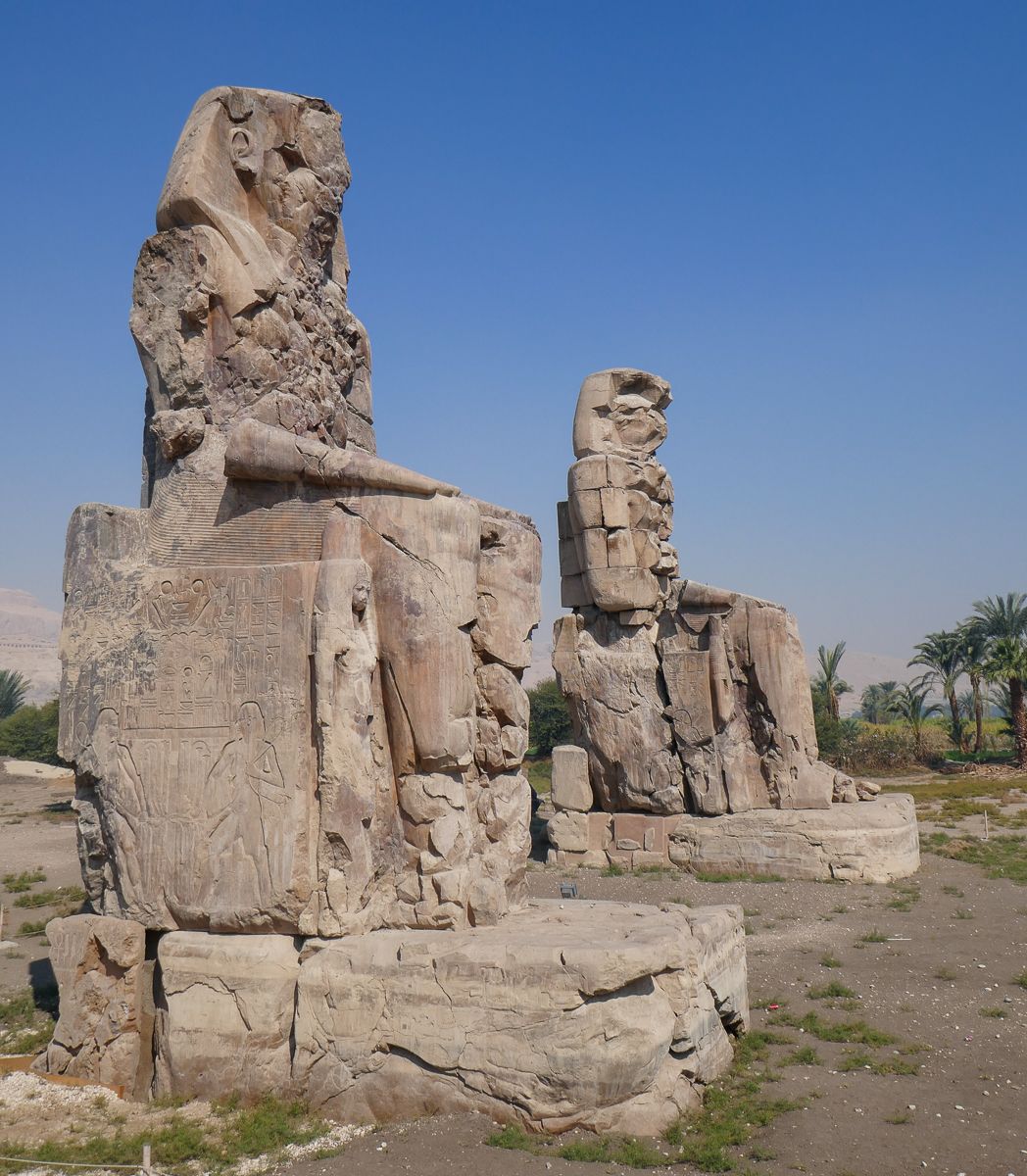
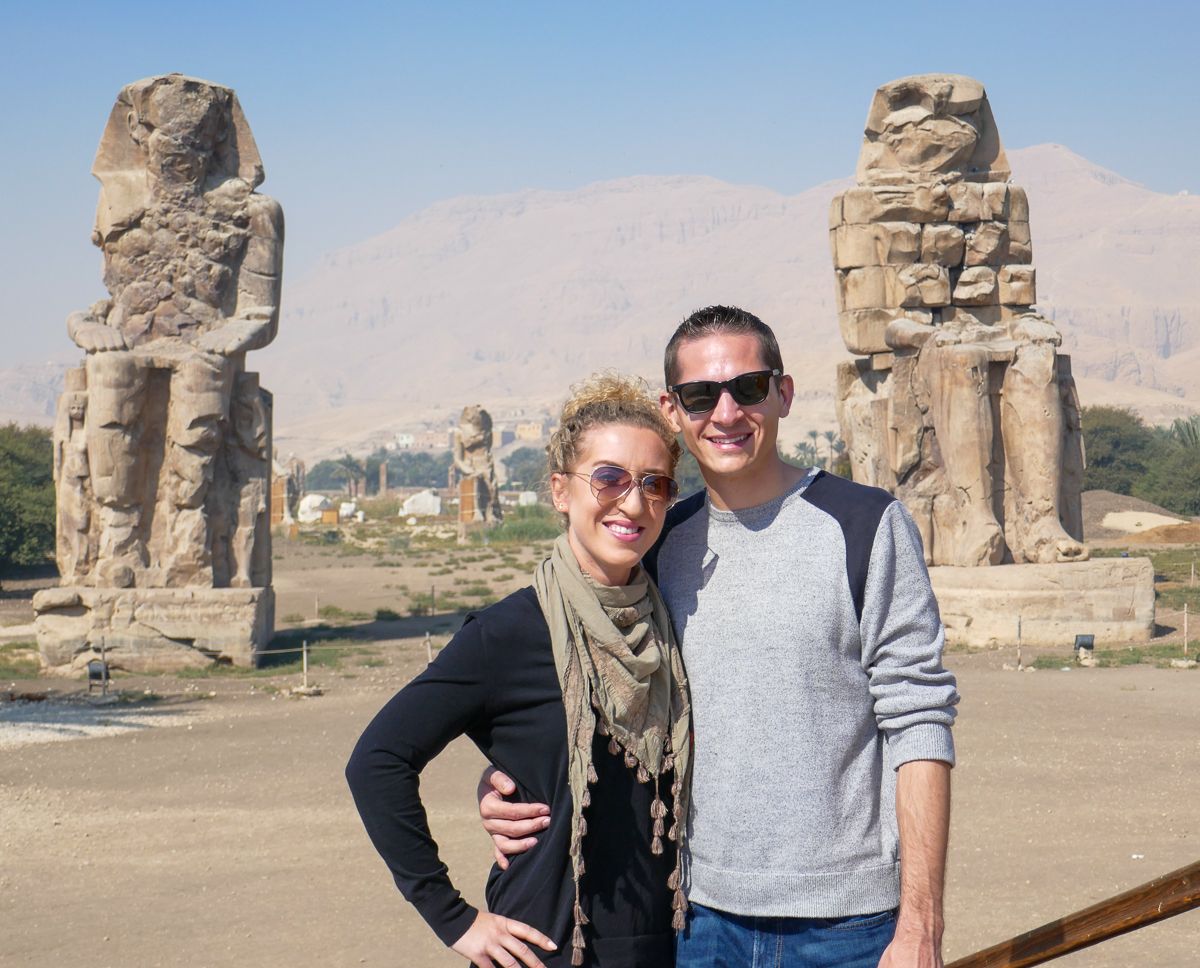
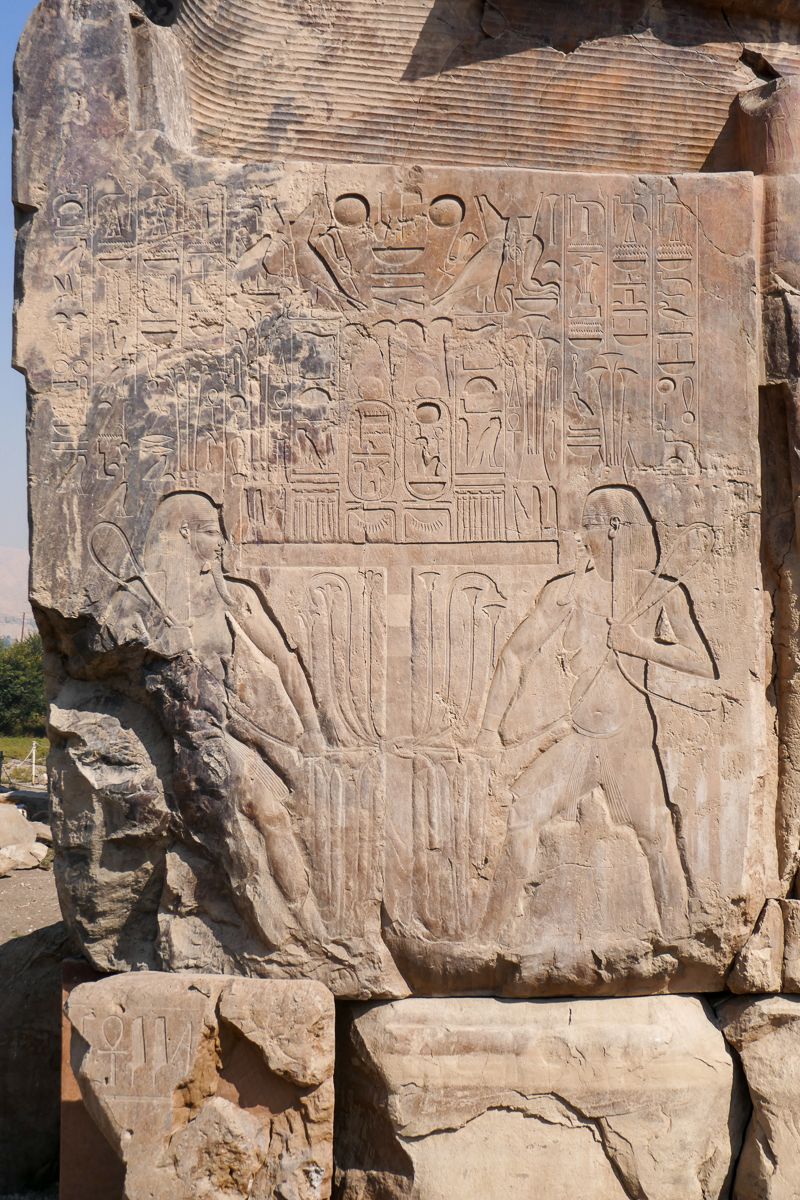
The gigantic twin sandstone statues of Pharaoh Amenhotep III are simply mind-blowing. Each one weighs approximately 720 tons! The 60 ft (18.3 m) high giants were originally placed at the entrance of his mortuary temple. Even though the Colossi of Memnon were badly damaged in an earthquake, impressive throne details remain including a sculpture of his wife Tiye and sunken relief panels of the flood god Hapi.
Mortuary Temple of Seti I
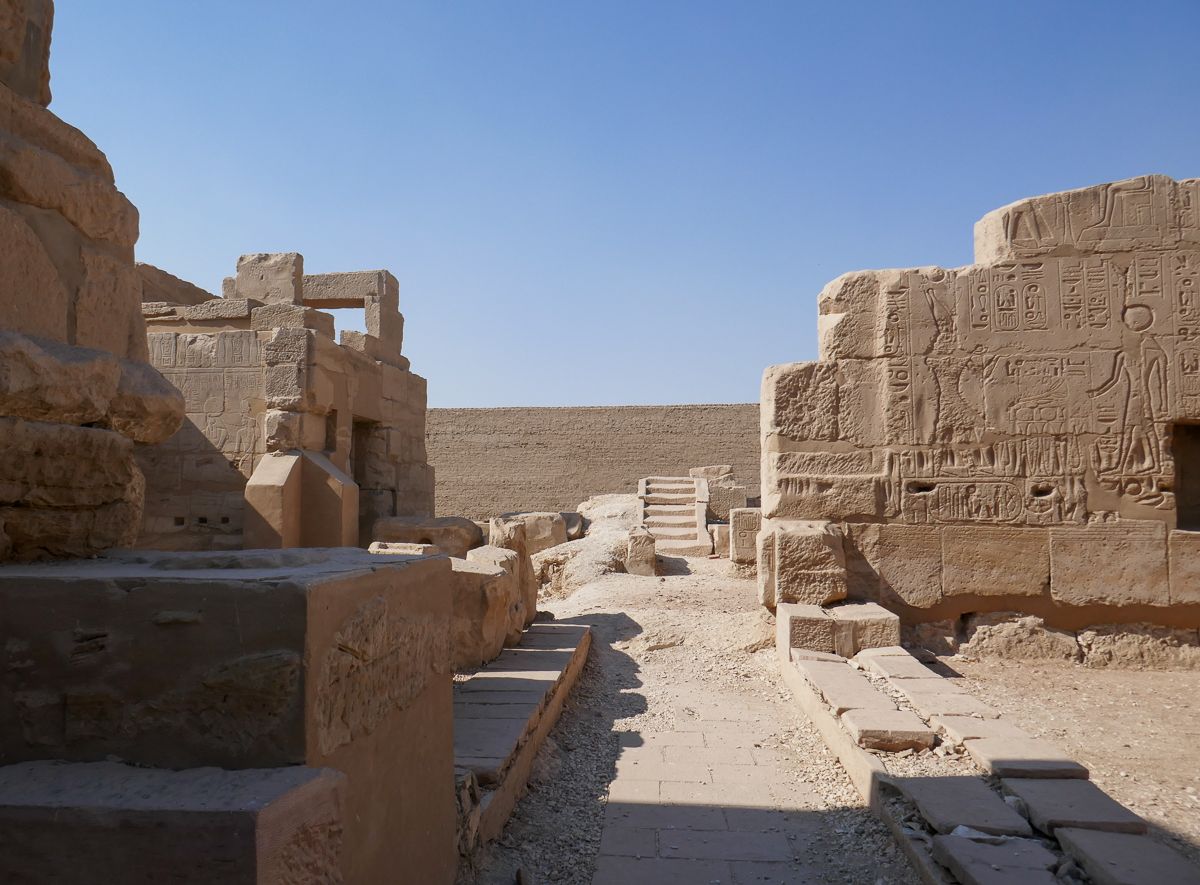
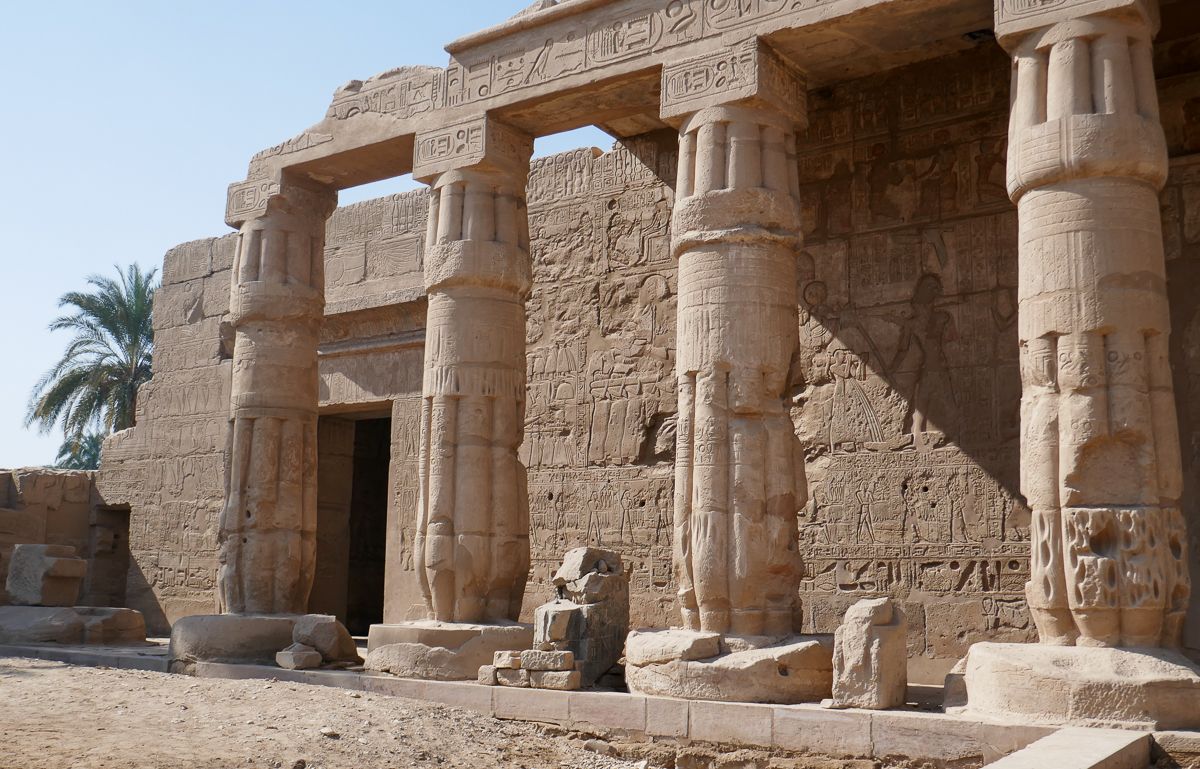
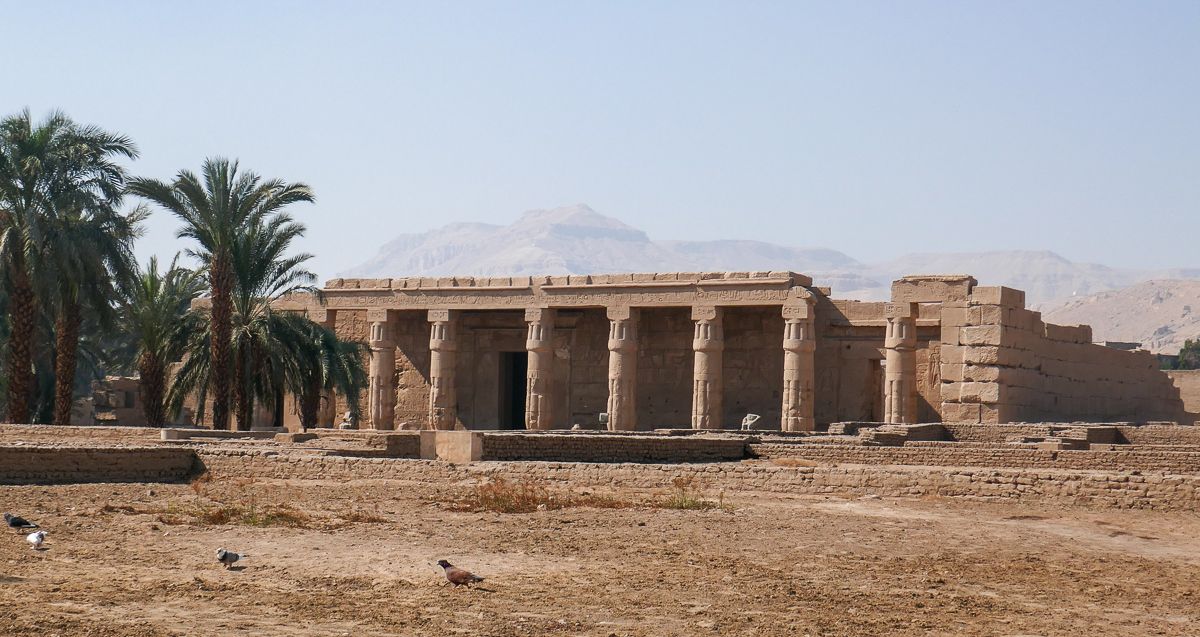
Travelers often overlook the Mortuary Temple of Seti I and its unparalleled reliefs of mythological scenes, bountiful hieroglyphics, and chapels dedicated to several Egyptian gods. Built during the New Kingdom, the structure features a front peristyle with columns in the shape of papyrus bundles. Brad and I had the quiet temple all to ourselves in the afternoon!
Imhotep Alabaster Luxor
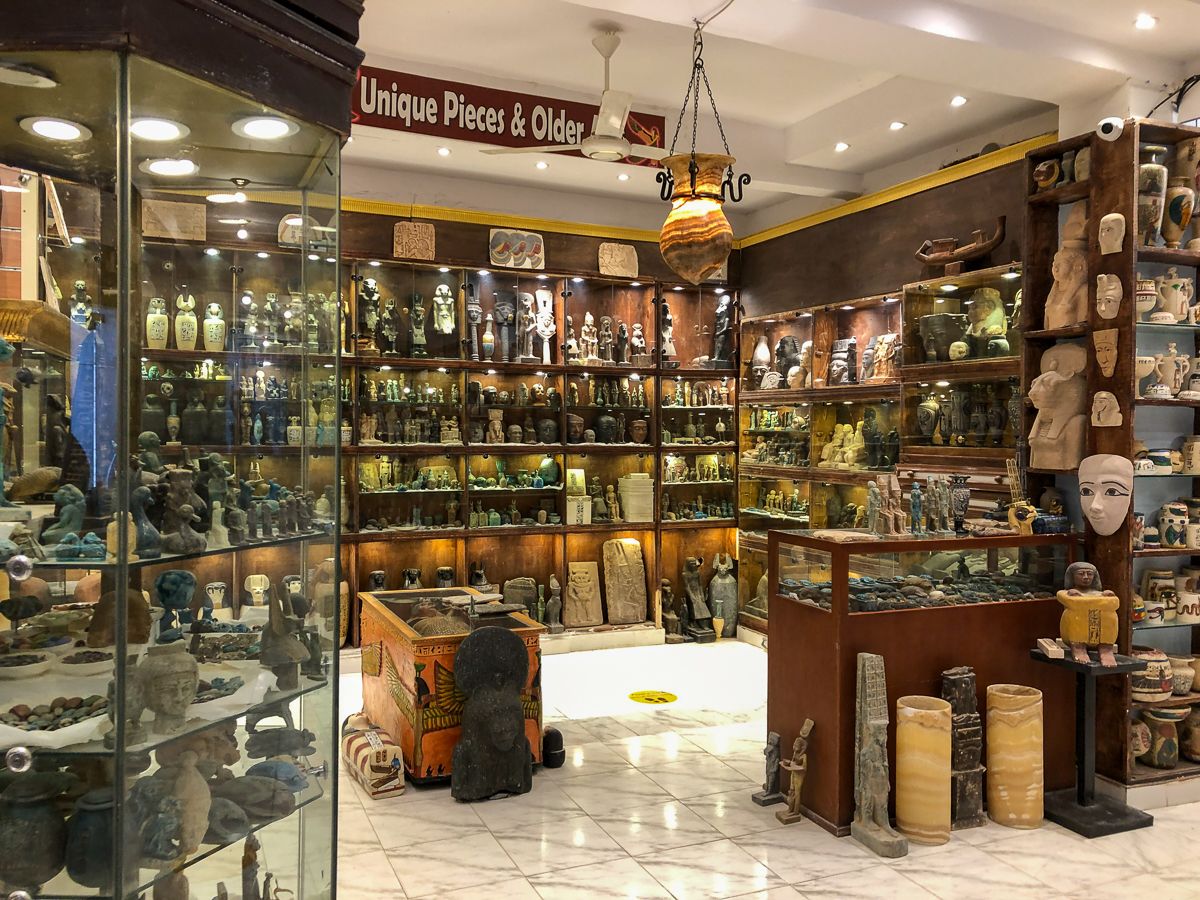
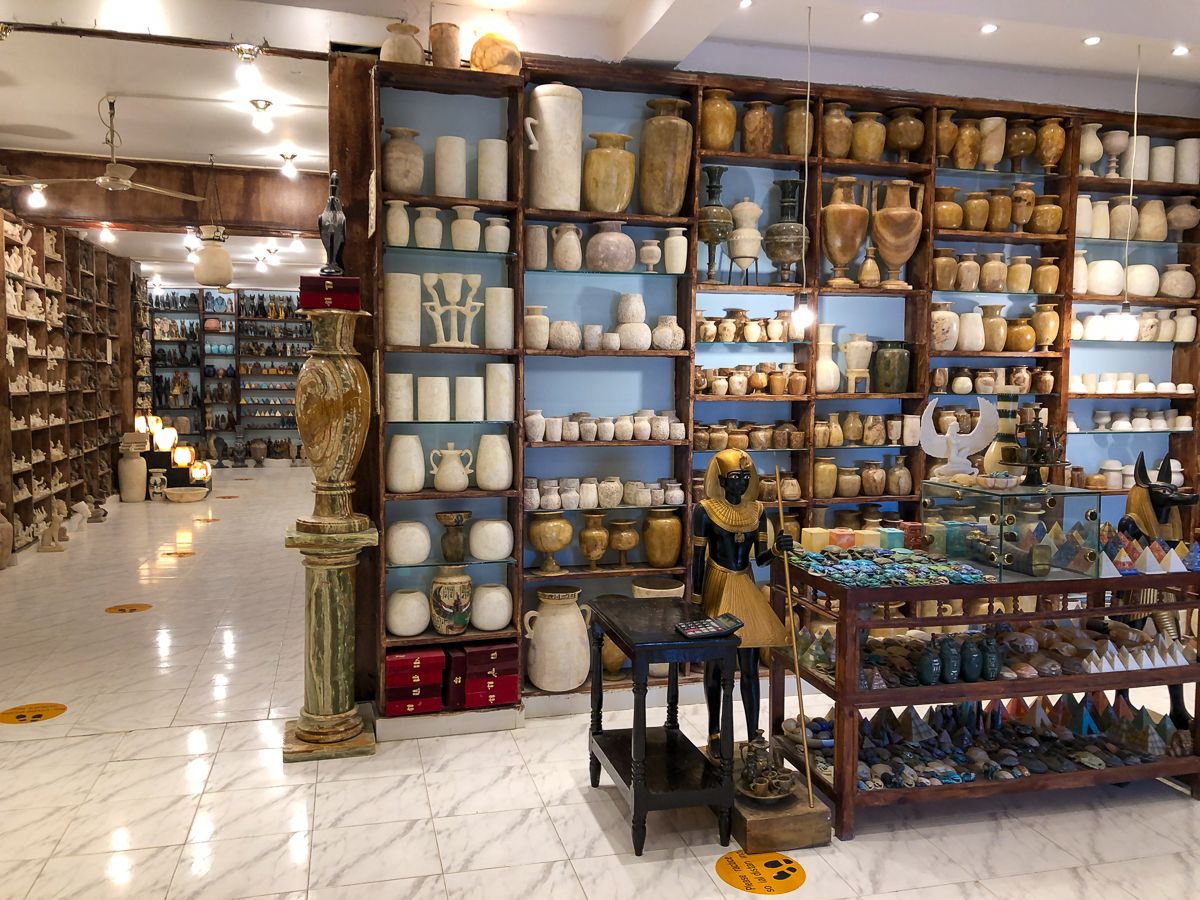
Sharpen your bargaining skills and have fun picking out the perfect souvenir at Imhotep Alabaster Luxor. This alabaster workshop has realistic replicas of ancient Egyptian artifacts, figurines, and canopic jars. We bought a stone carving of the Palette of Narmer, basalt pyramid, and teal ceramic statues of Sobek, Amen-Re, and Tefnut. Brad and I were questioned by airport security due to the high quality of our souvenirs. Luckily, the receipt and store business card helped us out during the stressful situation.


Final Thoughts
Luxor is a picturesque gateway to epic adventures in Egypt. You'll wander along ancient temples, see the grandeur of the pharaohs, and understand the importance of the afterlife. Every inch of carved and painted stone tells a story of the mysterious past. Whether you tackle the archaeological sites on your own or book a guide, Luxor is bound to sweep you off your feet!
