
Cairo, Egypt: A Portal to Ancient Wonders
Soak up the mystical history of Egypt by visiting the Great Pyramids of Giza, mastaba tombs at Saqqara, and museums full of ancient artifacts.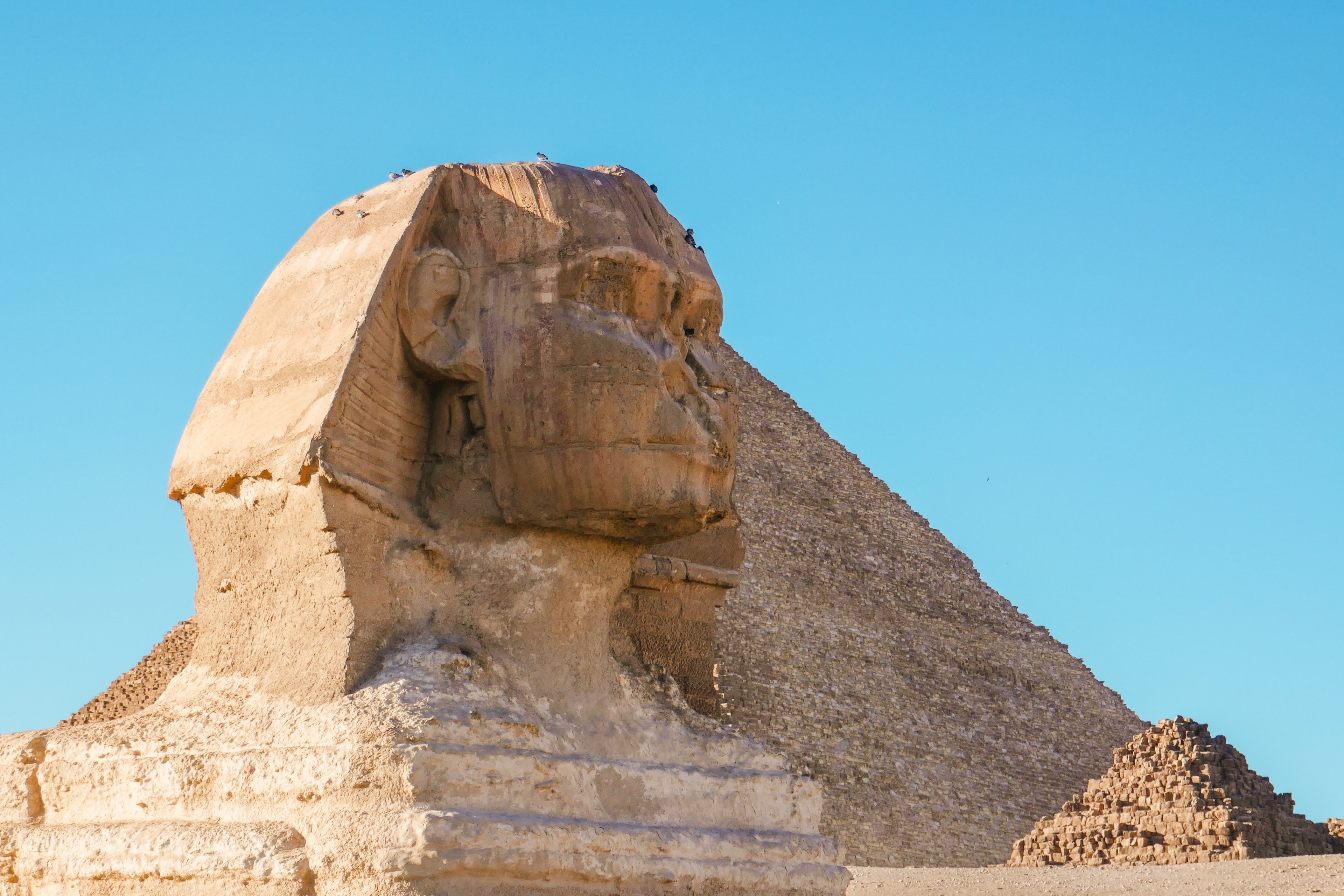
The mysterious culture, impressive stone architecture, and beautiful hieroglyphics of ancient Egypt attract visitors from all over the world. History comes alive in this top bucket list destination, especially in the neighboring cities of Cairo and Giza which surround the Nile River. Hearty cuisine, bustling streets, and the melodious Islamic call to prayer provide the urban backdrop to explore this one-of-a-kind treasure trove!
The Great Pyramids of Giza, made of countless limestone blocks and mind-boggling chambers, are undoubtedly the star attraction. Riding a camel around the sandy plateau next to the Sphinx is a pinch-me moment for any traveler. Brad and I spent three jam-packed days in the area to discover colorful markets, popular archaeological sites, grand mosques, and museums full of exquisite artifacts. Below I share our experience, plus logistics and tips, to help you create a remarkable itinerary.


Logistics
The best time to visit Cairo and Giza is during the shoulder season (March-May and September-November). You'll encounter moderate crowds, lower prices, comfortable temperatures, and plenty of available tour operators. Few people brave the sweltering heat during the low season (June-August).
High season (December-February) has cool temperatures, clear skies, higher prices, and large crowds. Be sure to book accommodations and flights well in advance if you plan to travel during this time. Brad and I enjoyed perfect weather and zero crowds during our trip toward the end of the COVID-19 pandemic in early January 2021.


Cairo International Airport (CIA) and Sphinx International Airport (SPX) are well connected with many direct flights. After Cairo, we took a few domestic flights via Egyptair to travel between Luxor, Sharm El Sheikh, and Aswan. The Egyptair website can be a bit confusing about luggage allowance, but each passenger can bring a traditional carry-on suitcase/backpack and personal item on board. Our luggage was never weighed, but we stuck to the guidelines just in case. Keep in mind electronics and realistic souvenirs may be scrutinized.
I highly recommend withdrawing local currency from an ATM once you arrive at the airport. Cash is preferred in Egypt and tipping is expected for tour guides, drivers, and bathroom attendants. Bargaining is also common, especially for souvenirs and taxi rides. Uber is available in Cairo, but I don't recommend using it from the airport. We were constantly hounded by other drivers vying for our business as we frantically tried to find our Uber late at night. Arrange for private transportation beforehand to avoid stress and confusion!


Book accommodations within walking distance to the main entrance of the Giza Pyramid Complex if you plan to go the DIY route. Brad and I stayed at the Pyramids Guest House, which has a rooftop terrace to watch the nightly Pyramids Light Show for free. The warm hospitality, abundant hot mint tea, and prime location were amazing.
We enjoyed a delicious Egyptian breakfast with ful medames (stew of cooked fava beans), tamiya (falafel), aish baladi (flatbread), yogurt, hard boiled eggs, and mesaqa'ah (sautéed eggplant with tomato sauce) every morning. I highly recommend the affordable hotel for an authentic experience.


Attractions
Driving in Egypt can be overwhelming for foreigners since speed limits, traffic lanes, and rules aren't enforced. The best approach is to arrange tours with bilingual guides to help navigate the chaos. We booked two back-to-back private tours with Deluxe Egypt Travel and Emo Tours Egypt to visit Dahshur, Memphis, Saqqara, and Cairo. I highly recommend both companies for a seamless experience!
After a busy couple of days, we decided to wander the Giza Pyramid Complex on our own. The archaeological site is DIY friendly, but the constant stream of insistent vendors trying to sell souvenirs and camel rides can get annoying. Say "la' shokran" (no thank you) or simply ignore them if you're not interested. Many locals depend on tourism to support their families, so bargain respectfully if you're in the mood to shop.


Day 1: Dahshur, Memphis, and Saqqara
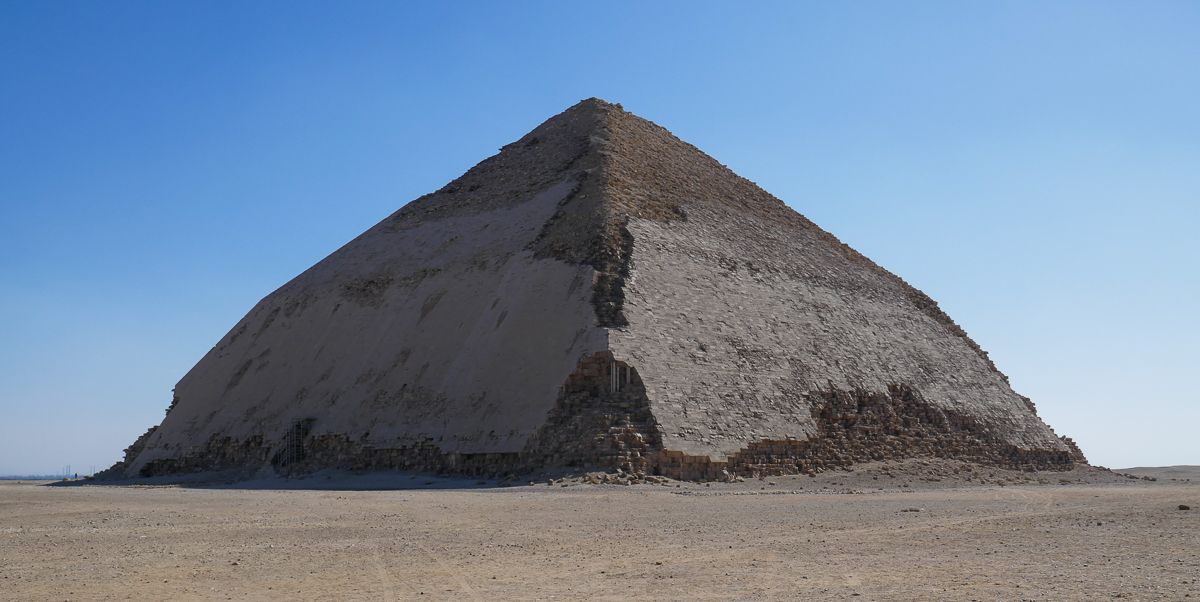
Head south to Dahshur to see two pyramids commissioned by Pharaoh Sneferu between 2613–2563 BC. The Bent Pyramid is a prime example of early pyramid development in ancient Egypt. Most archaeologists theorize the bottom base of 54 degrees was adjusted partway through construction to 43 degrees after possible signs of instability.
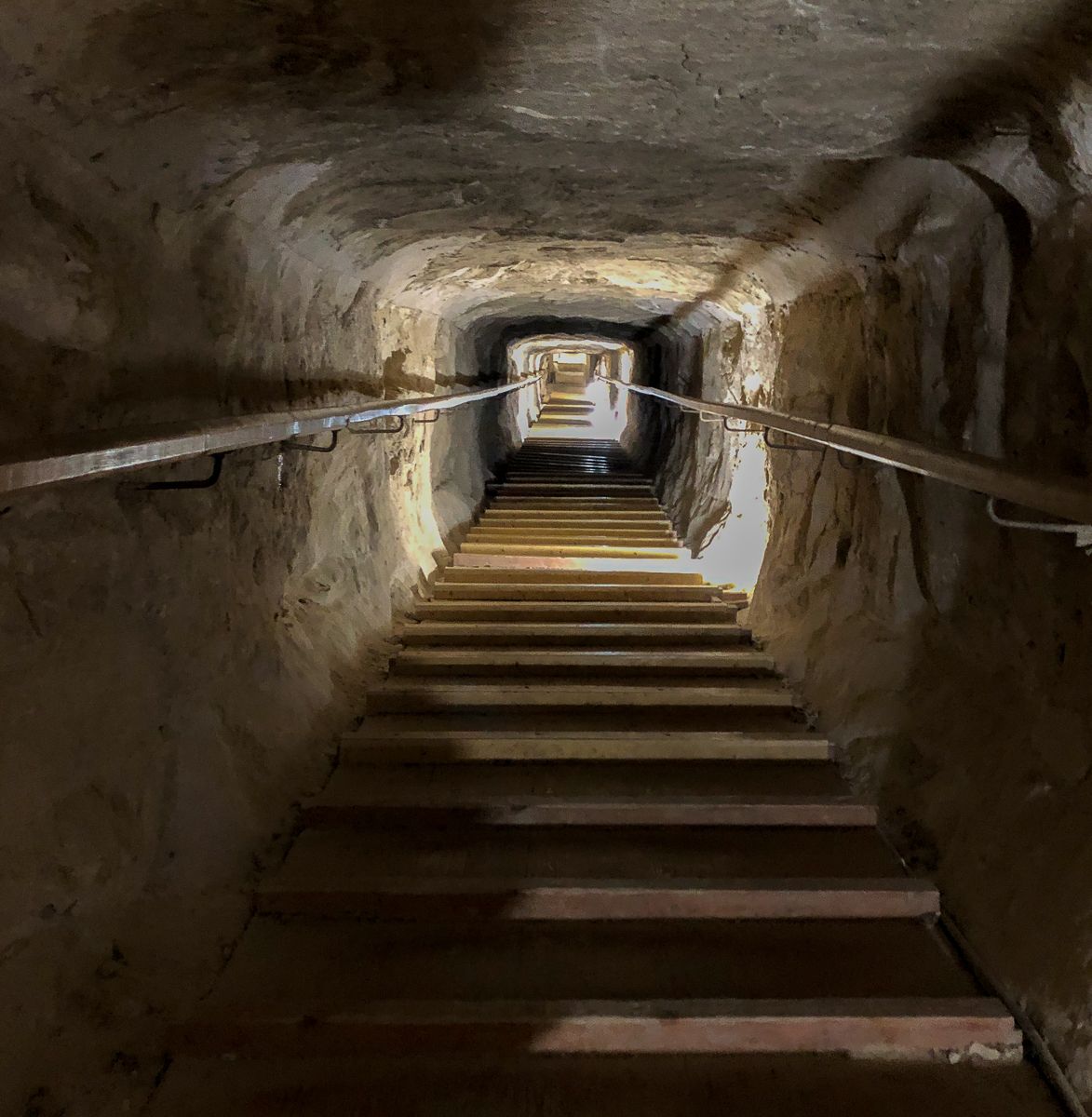
Descend the 79.9 m (262 ft) long shaft to truly appreciate this engineering marvel! The easiest way to traverse the claustrophobic and stuffy tunnel is to step backwards while holding the railings. Once you reach the bottom, ascend the wooden stairway and crawl through the narrow passageway to reach the main chamber full of squeaky bats.
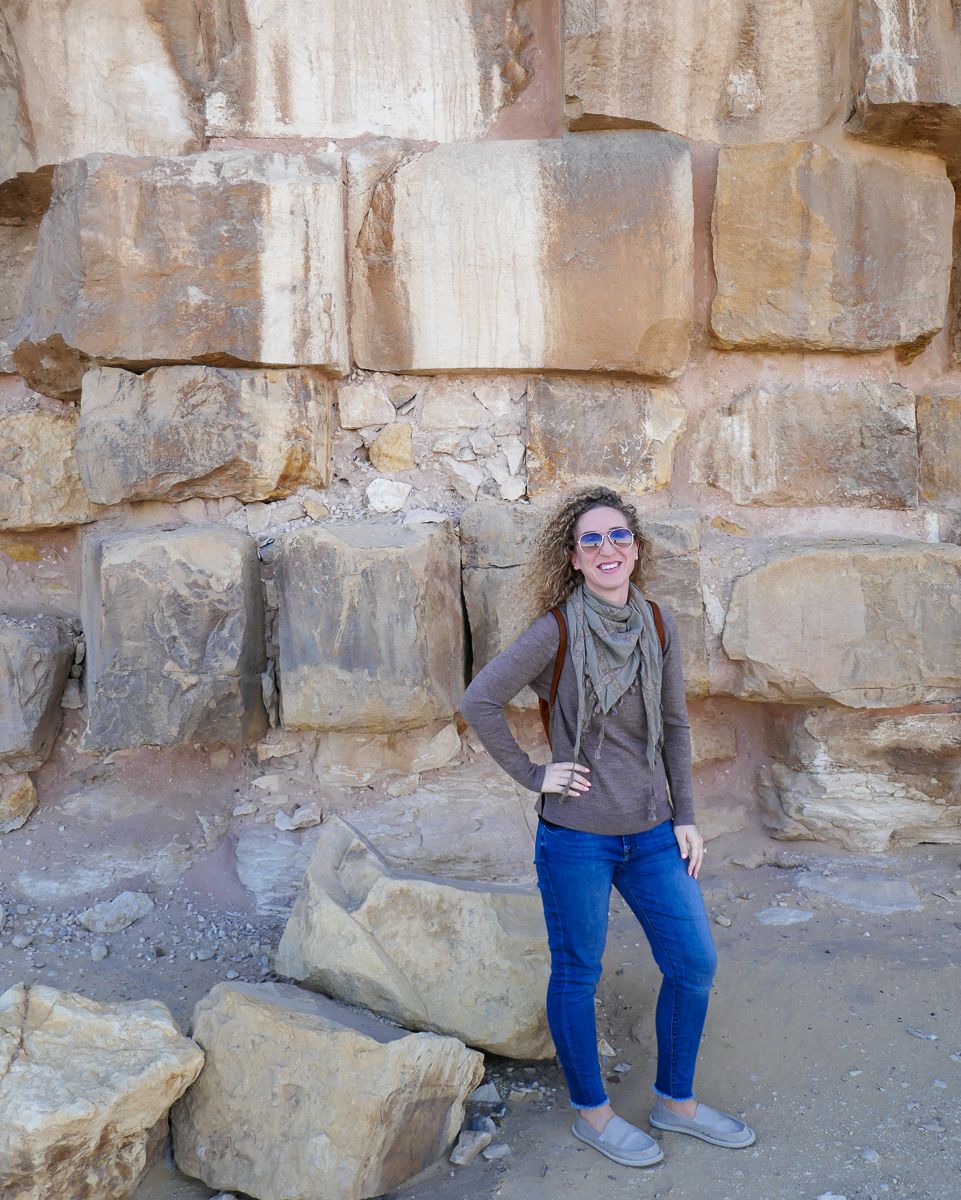

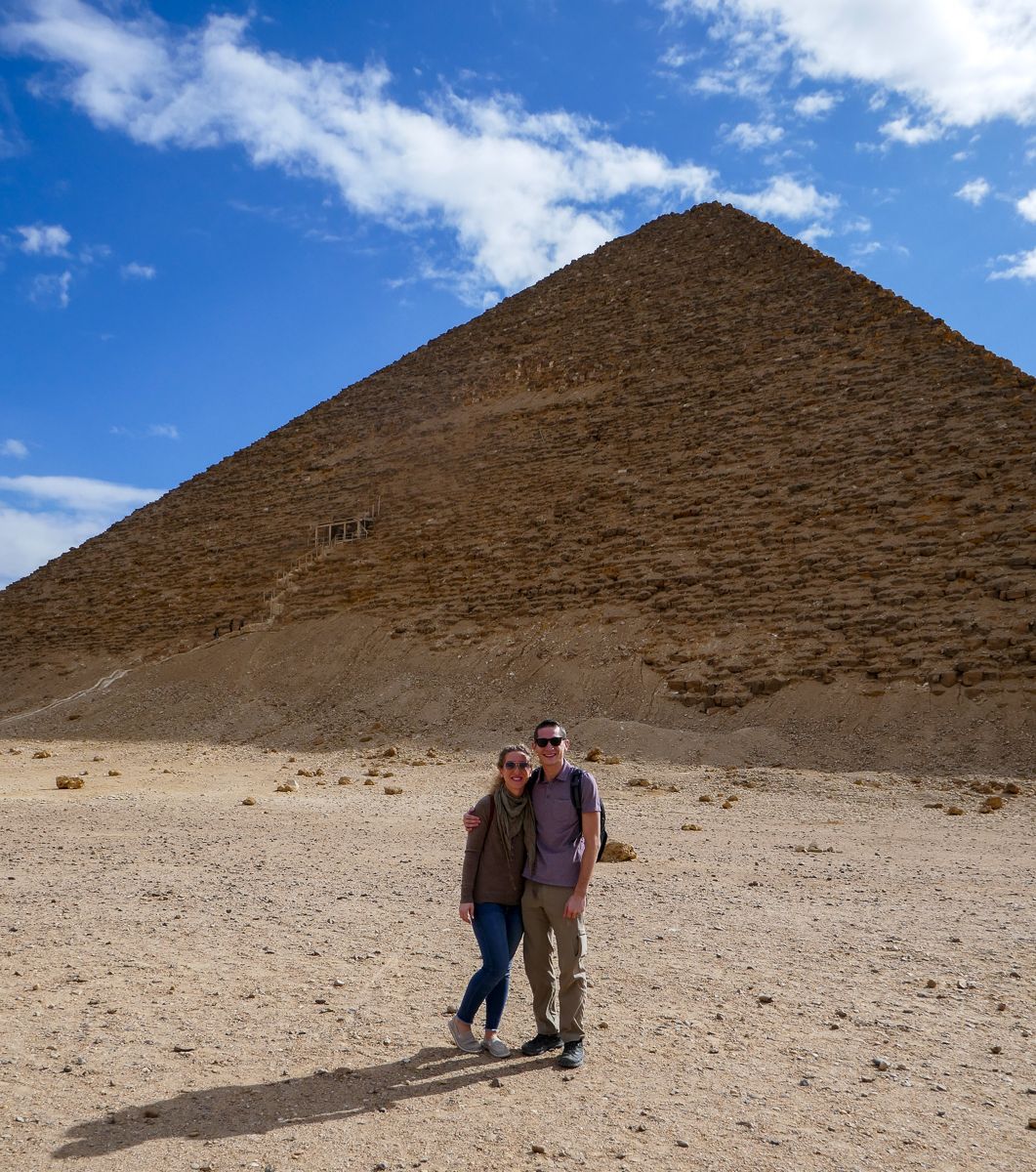
Nearby is the Red Pyramid, which measures 104.9 m (344 ft) high and 220.1 m (722 ft) wide (third-largest pyramid in Egypt). The reddish hue of the limestone is striking against the golden sand. This pyramid is significant because it was the first successful attempt to build a smooth-sided pyramid. Visitors are able to venture inside to get a closer look.

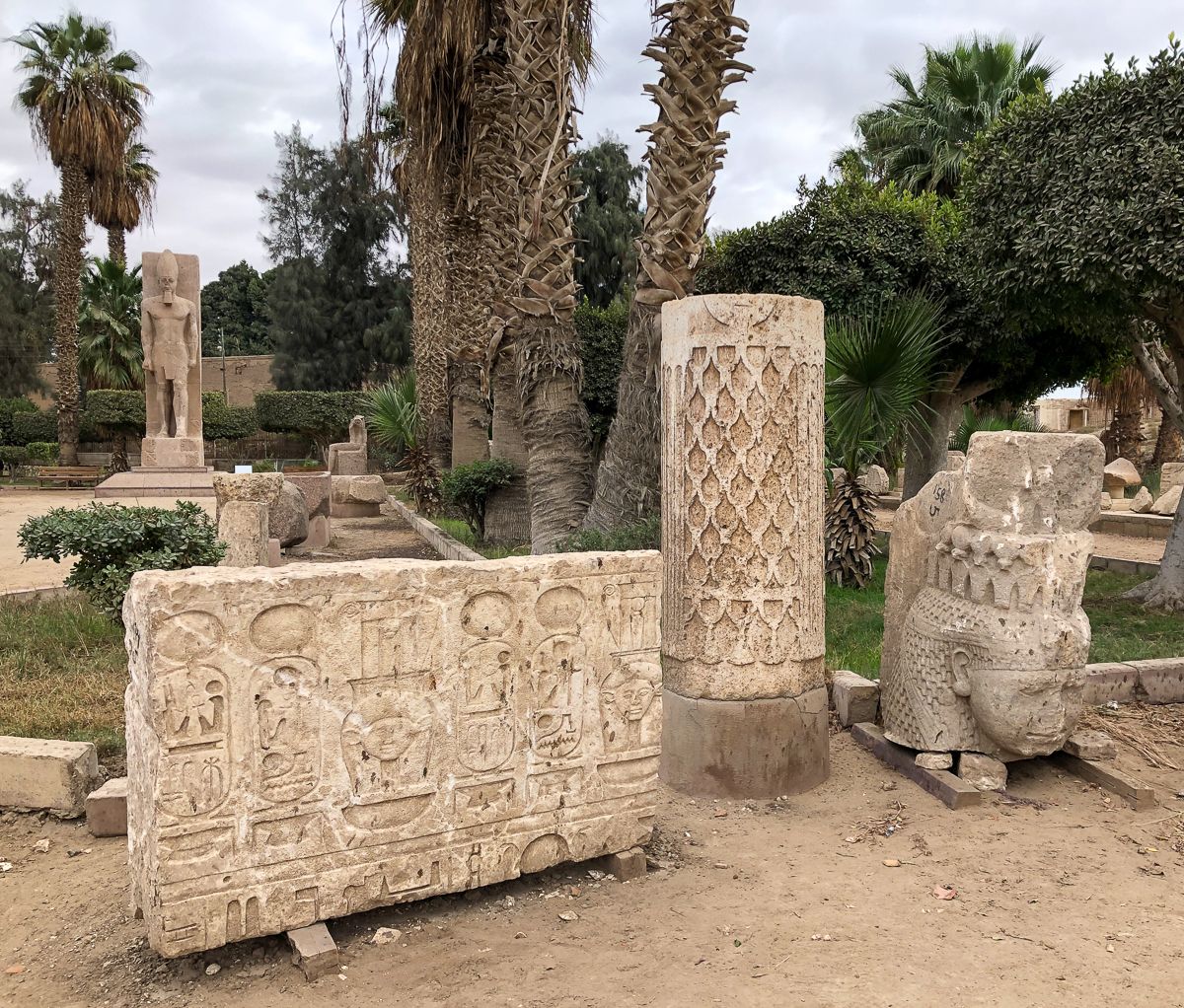
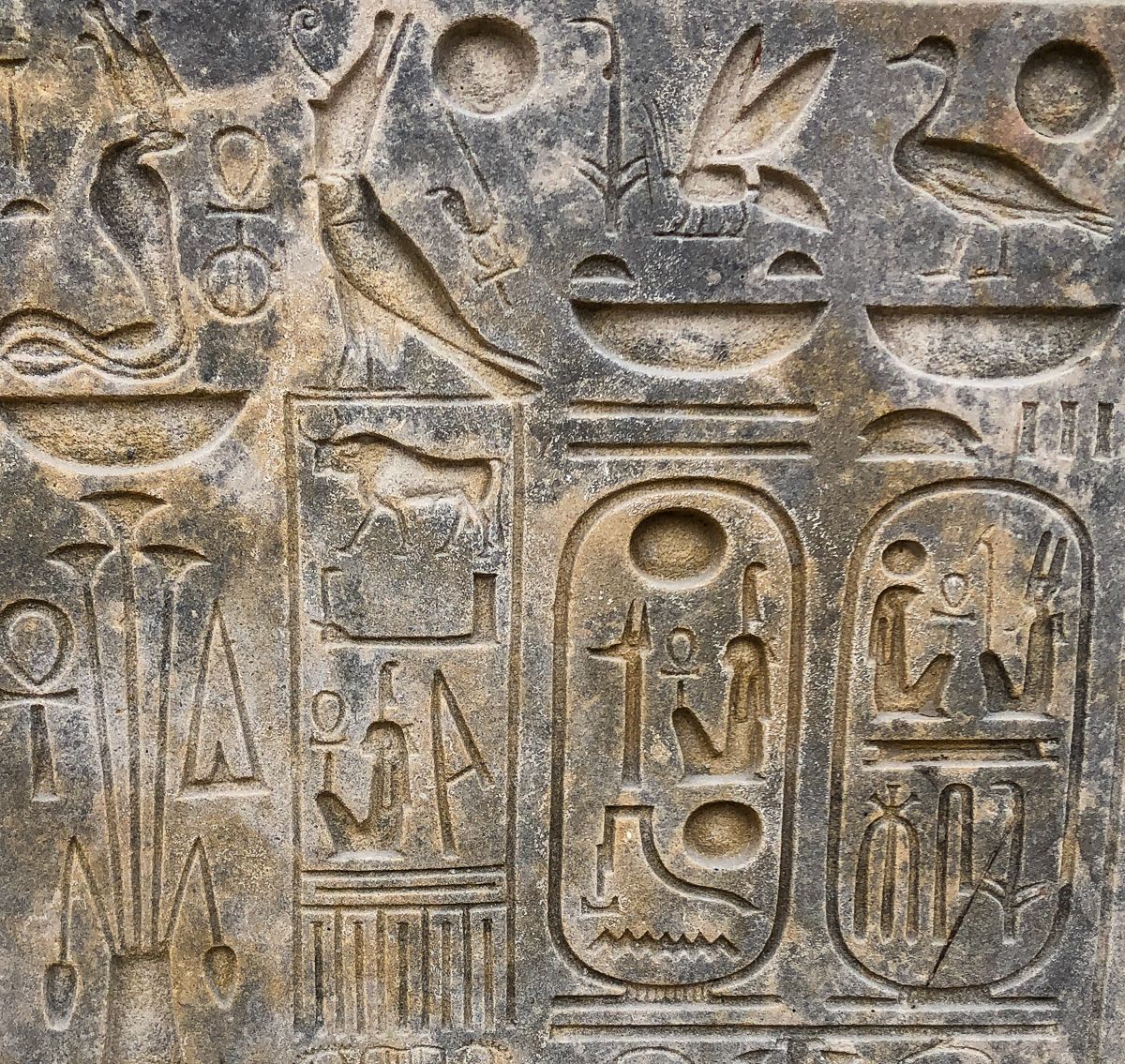
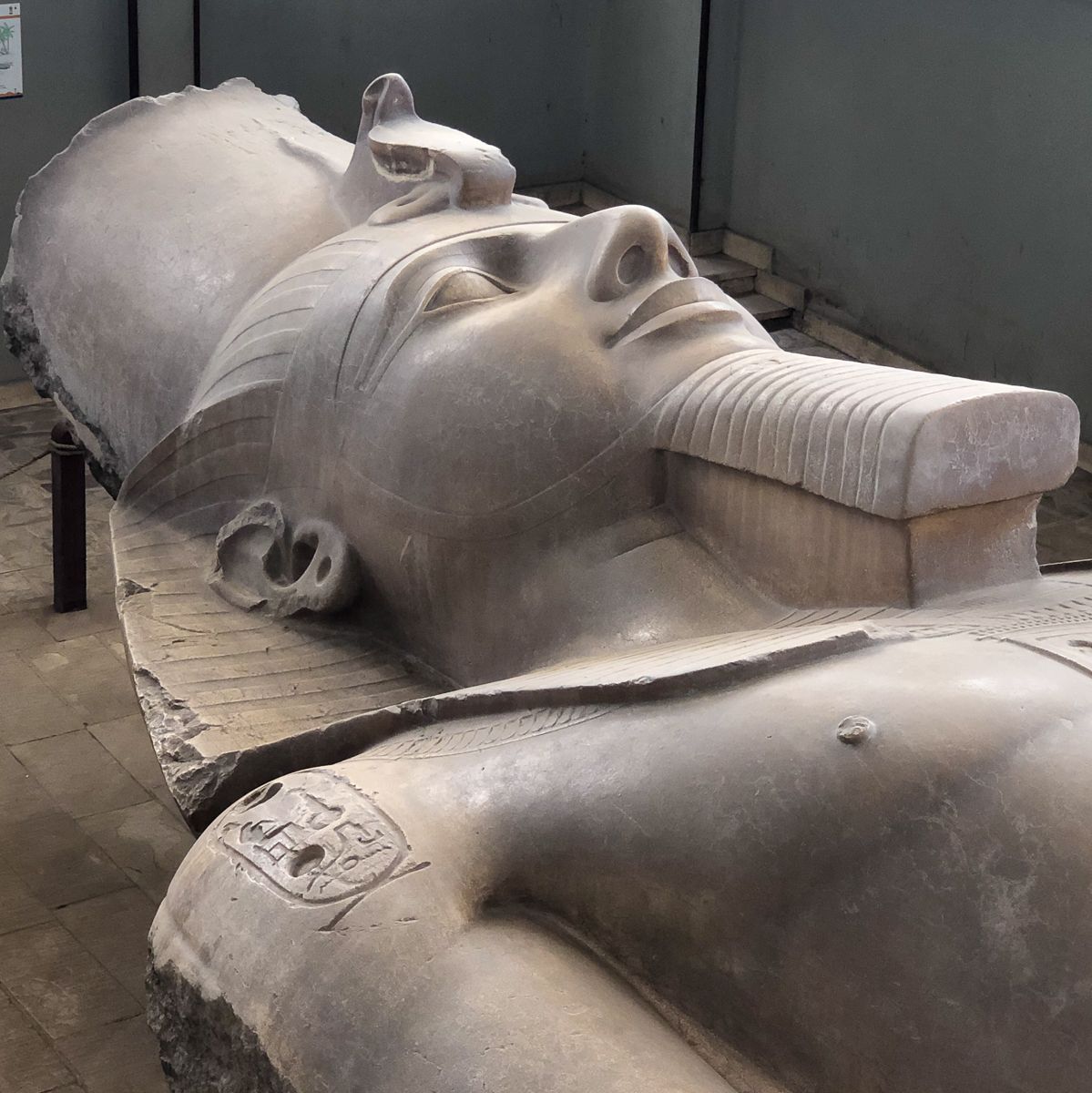
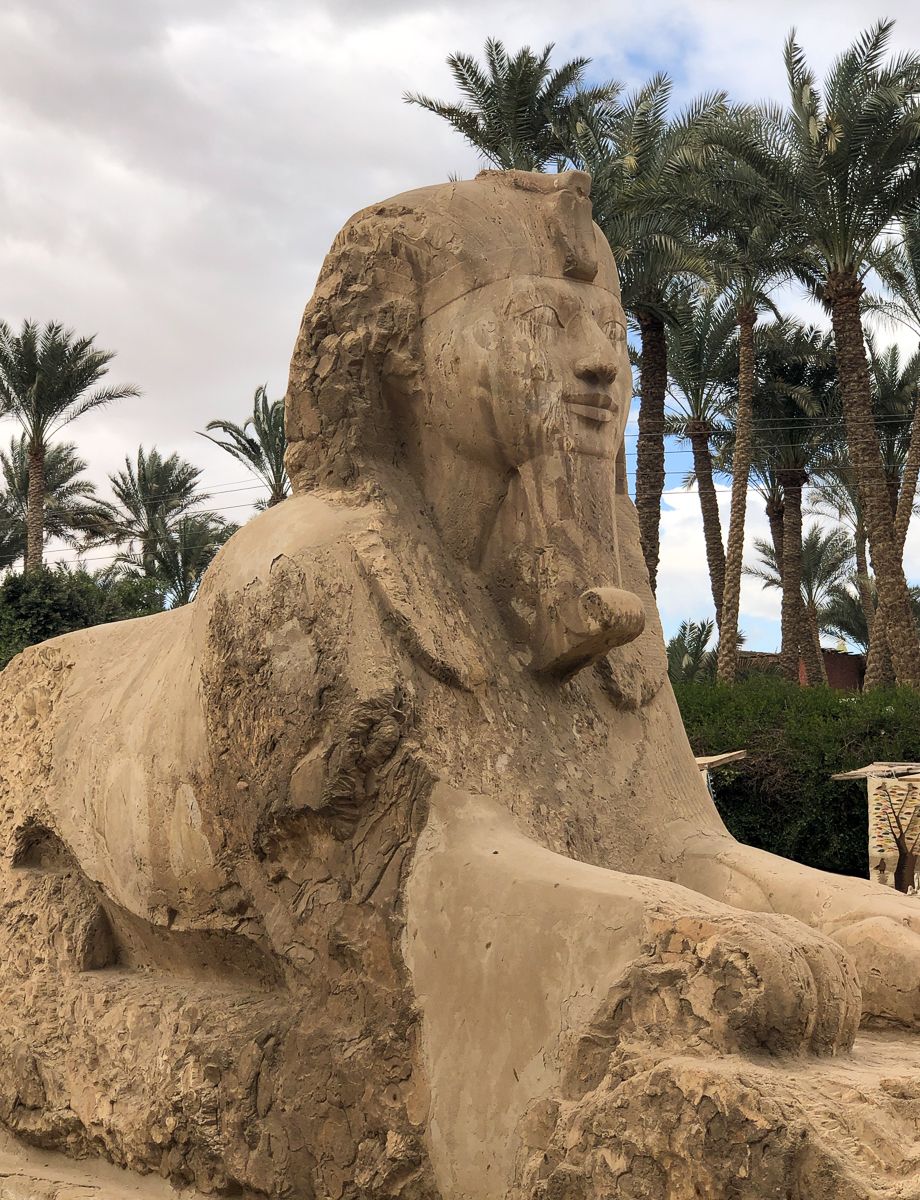
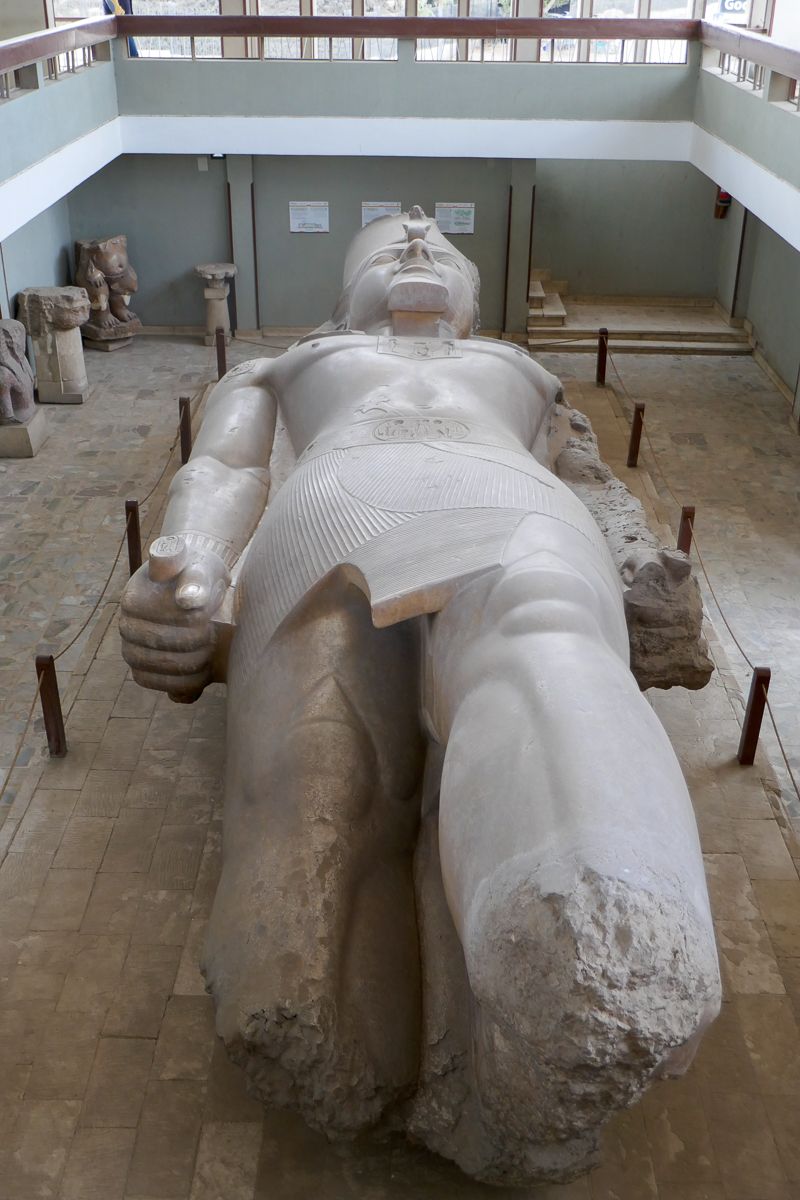
Check out what remains of the ancient city of Memphis, the capital of Egypt during the Old Kingdom (2686-2181 BC), by visiting the Mit Rahina Museum. This open-air exhibit is full of ornate columns, fragmented statues, and friezes with hieroglyphics. The main highlights are the huge statue of Ramses II and Alabaster Sphinx.
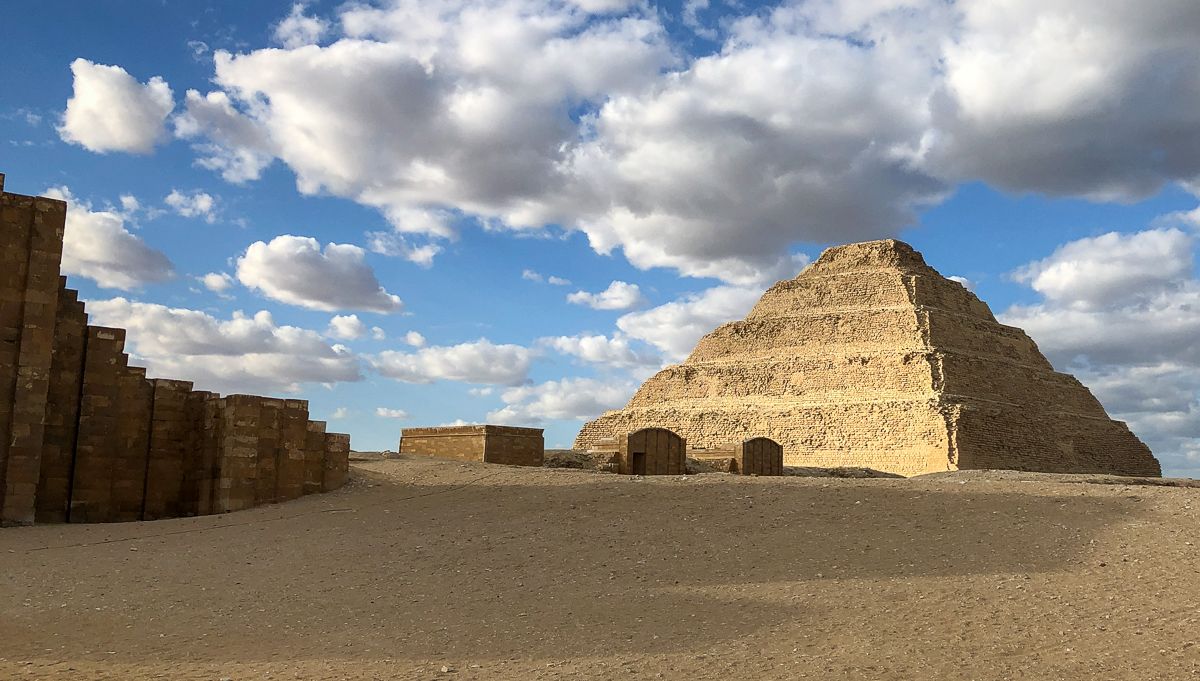
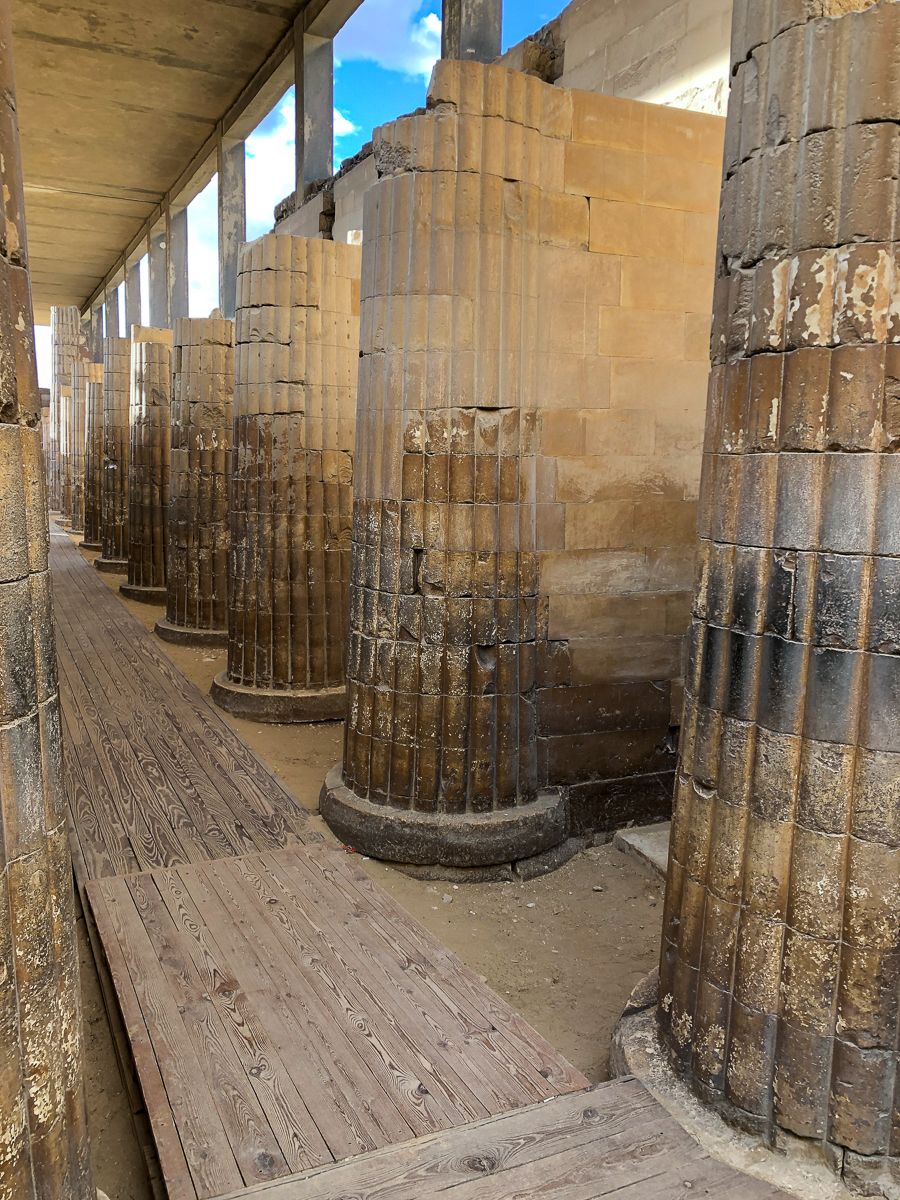
Ancient Egyptians placed a high importance on the afterlife with sacred rituals, mummification practices, and elaborate tombs. Saqqara functioned as the premier necropolis of Memphis with several magnificent burial sites. Designed by the architect Imhotep, the Funerary Complex of Djoser features a colonnaded entrance, Heb-sed ritual court, and six-stepped limestone pyramid.
The nearby Mastaba of Ti has colorful scenes depicting animals and daily life. The craftsmanship and realistic detail of the reliefs evoke the many facets of Egyptian culture such as polytheistic religious beliefs, farming, and social status. A mastaba was crafted out of mudbricks or limestone with sloping sides and a flat roof. This type of Egyptian tomb was used for over a thousand years!
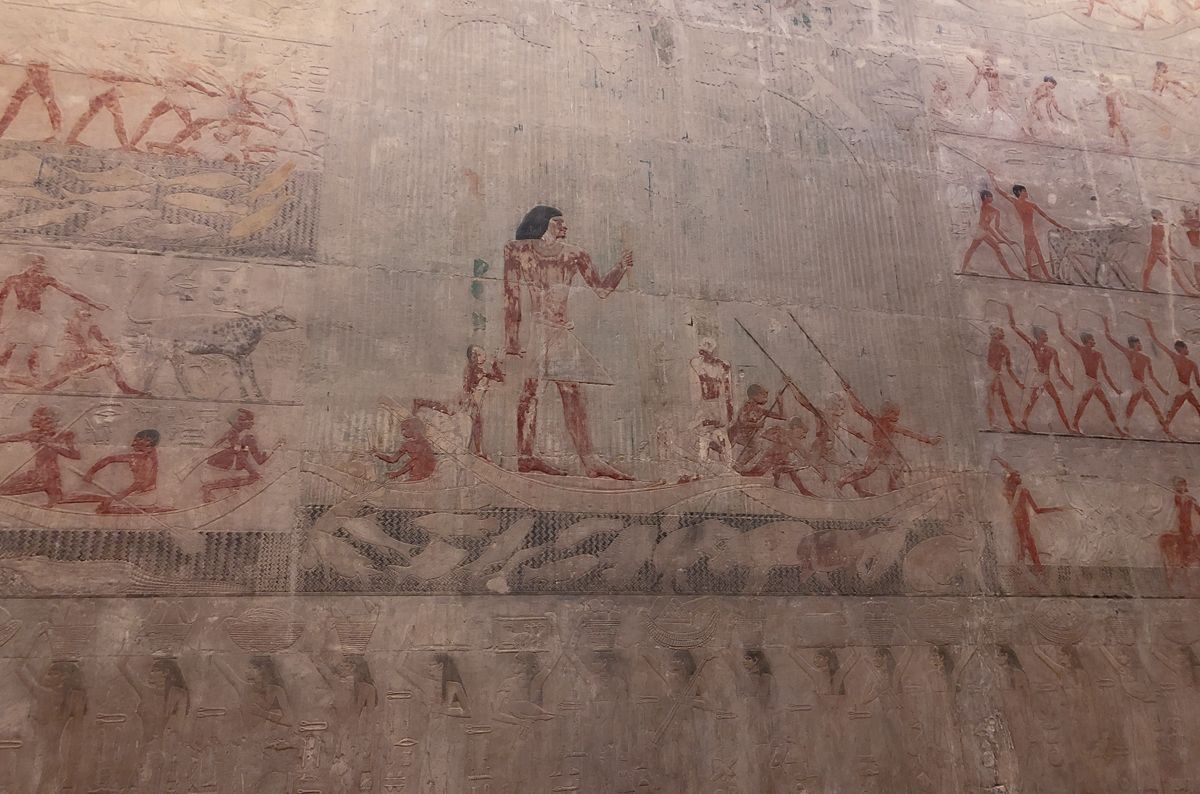
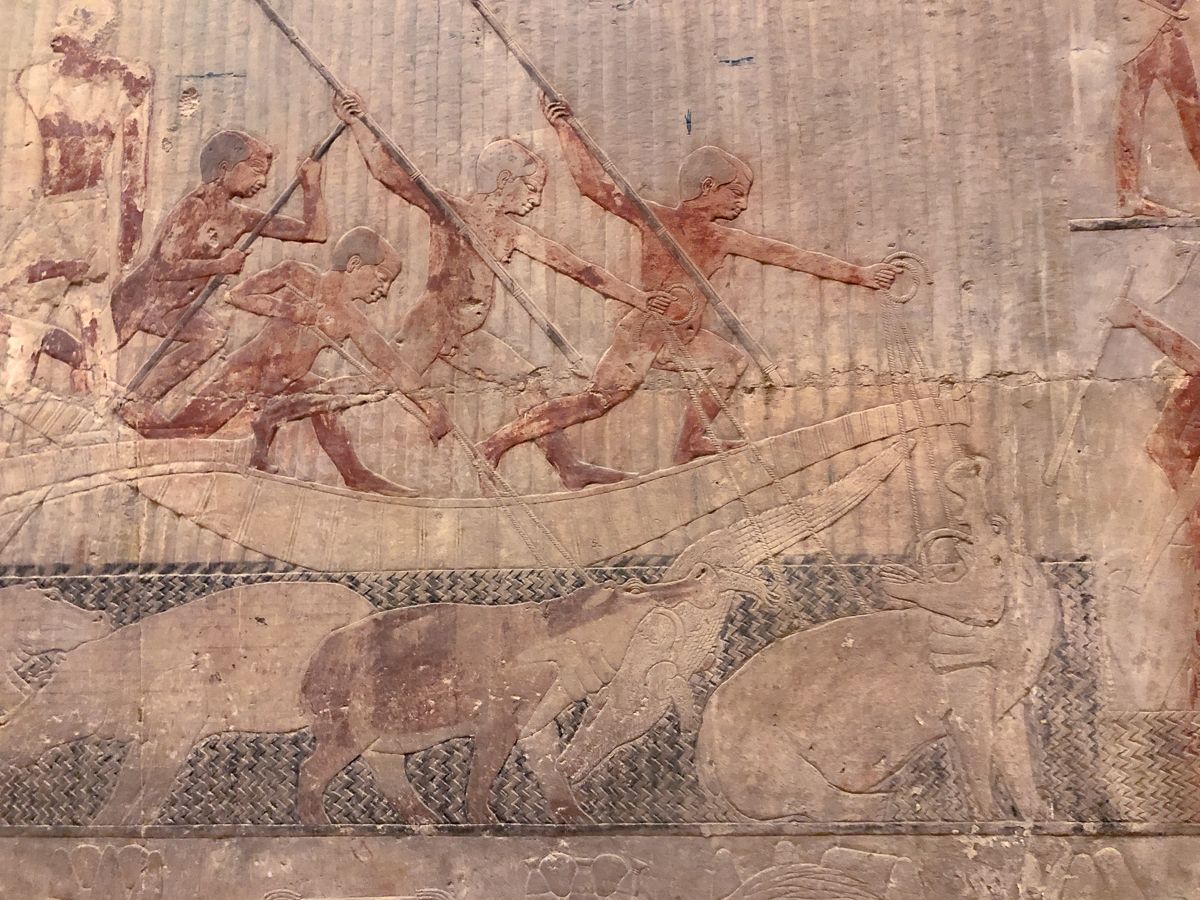
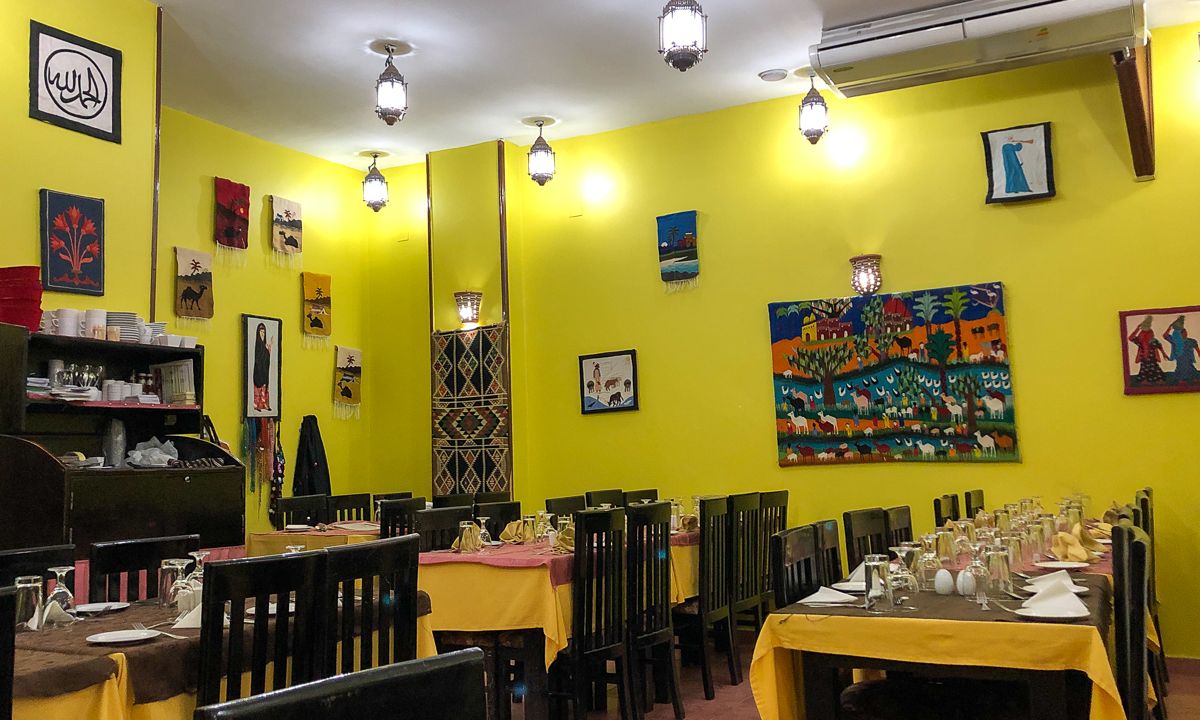
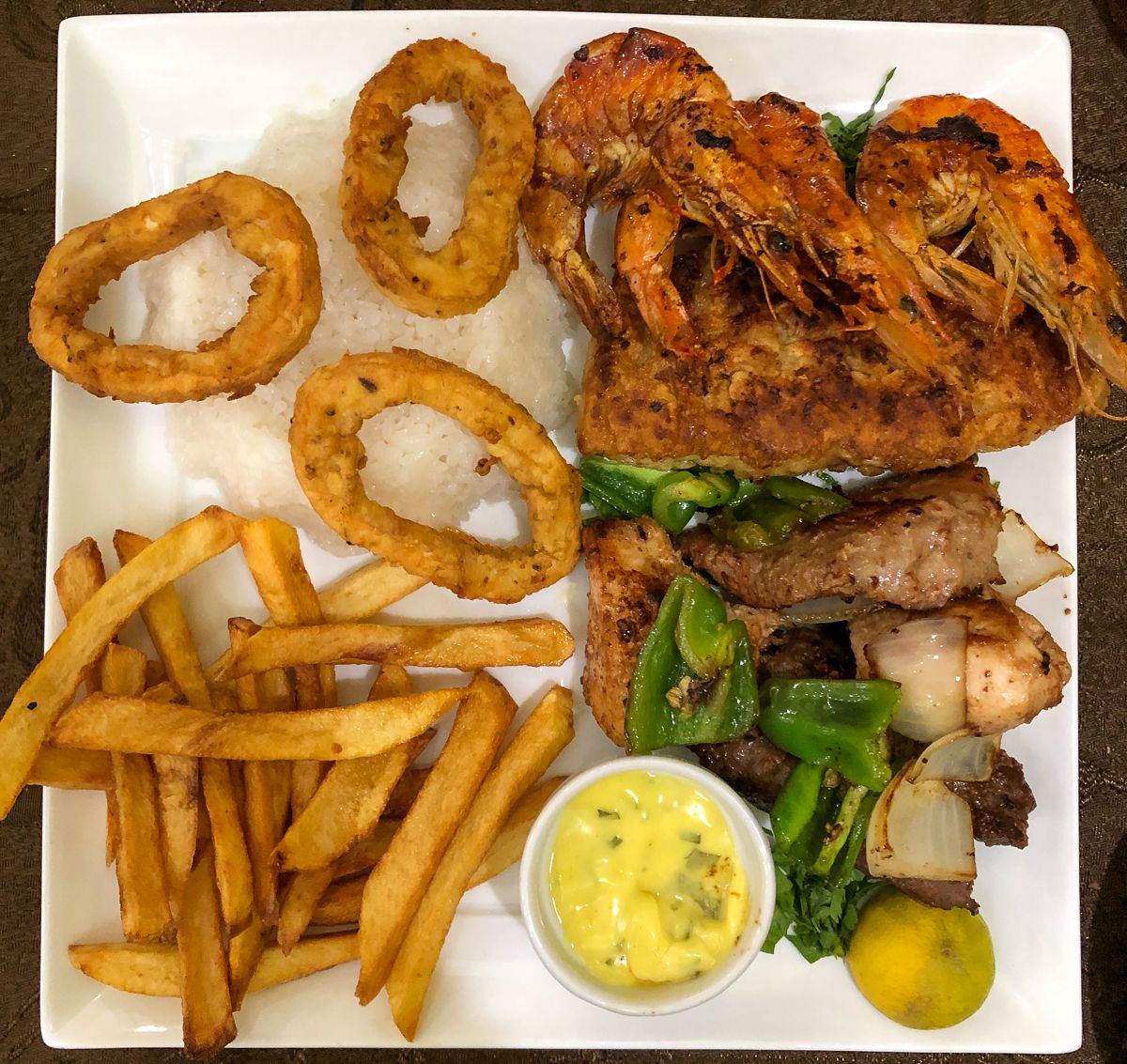
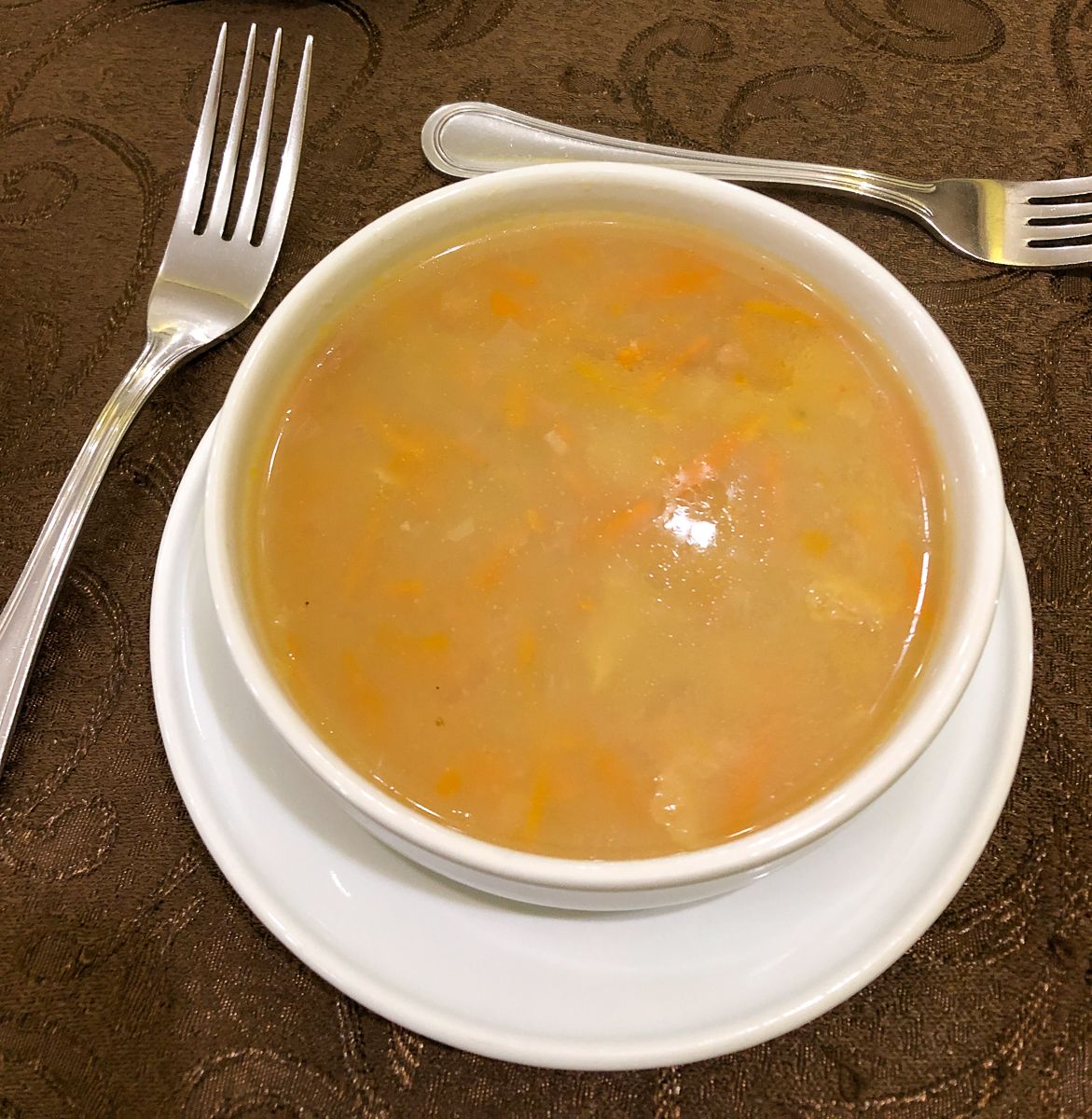
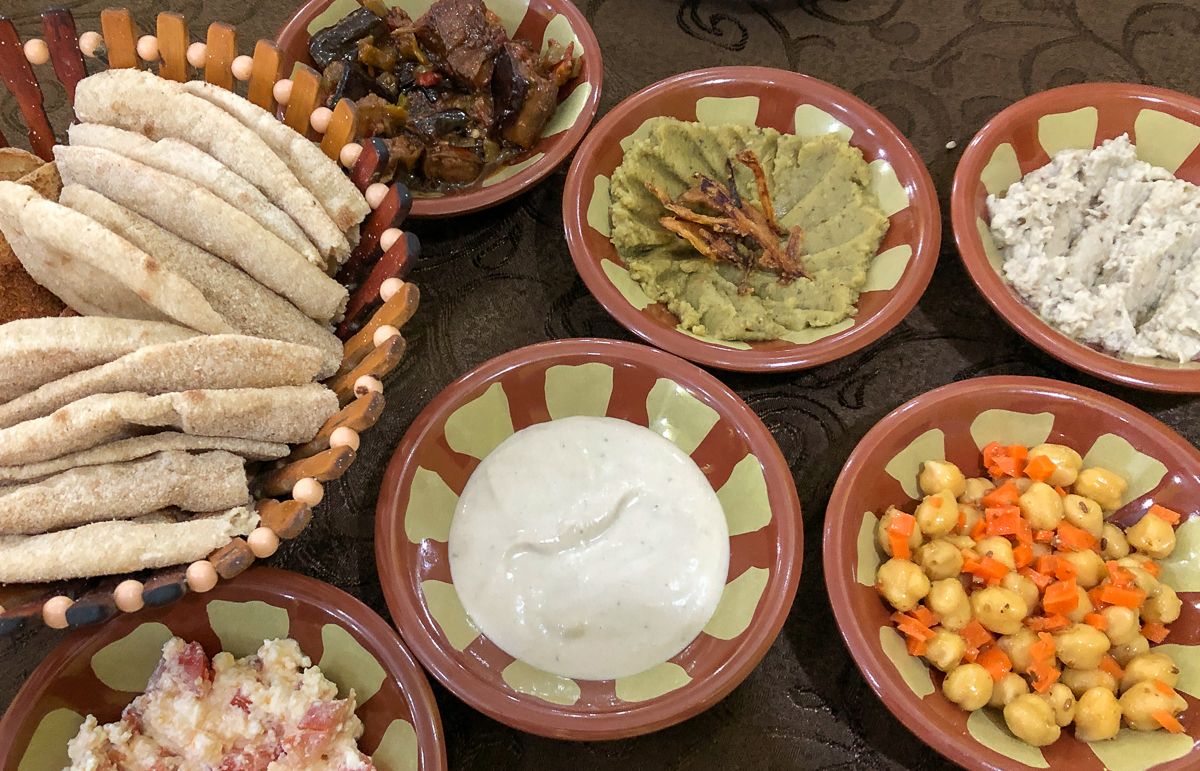
Wrap up the day with a delicious Egyptian meal full of different spices and flavors. Brad and I sampled a variety of mezze dishes including tahini (ground sesame seed paste with lemon, garlic, and oil), baba ganoush (grilled eggplant and tahini dip), and bessara (cold fava bean purée with herbs) at El Dar Darak restaurant. The comforting orzo soup, fresh seafood, and shish kebabs (skewered and grilled cubes of meat) were filling!
Day 2: Downtown Cairo
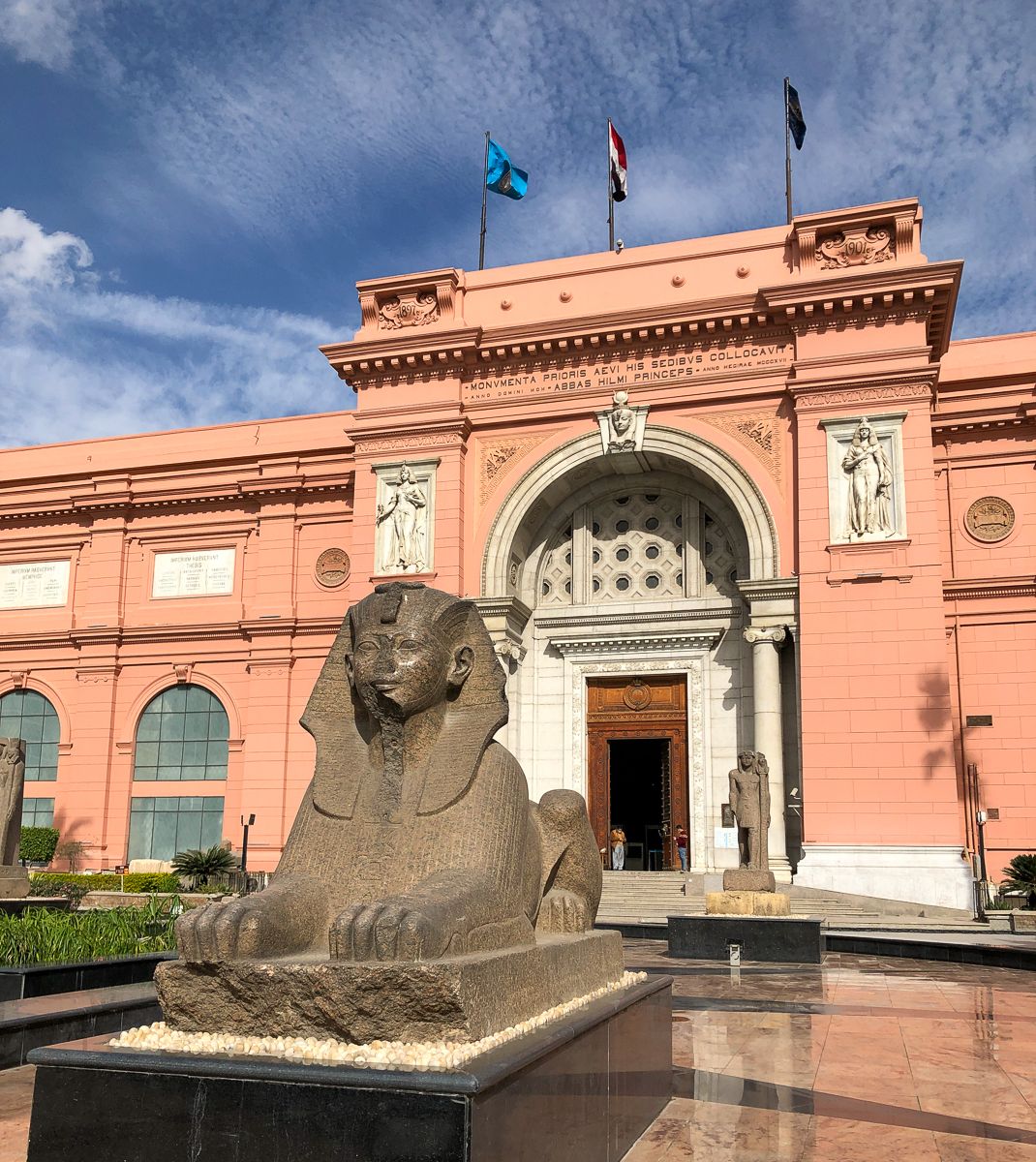
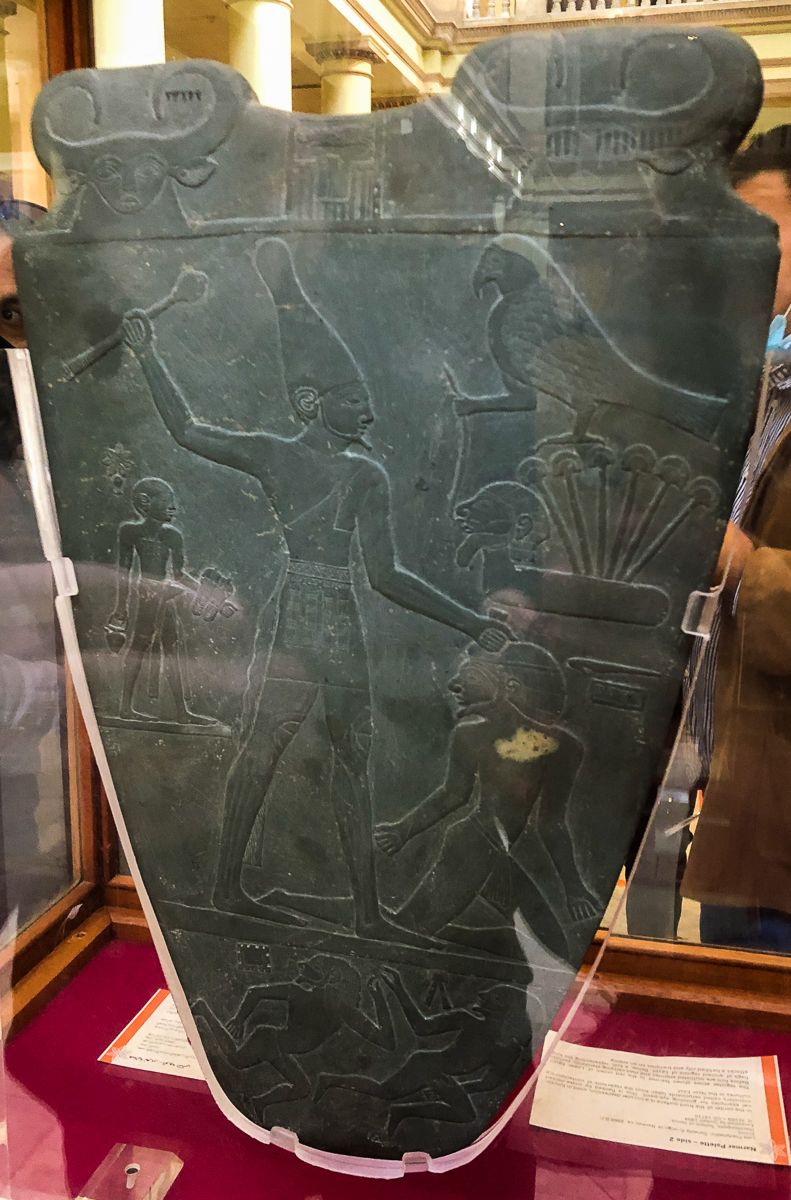
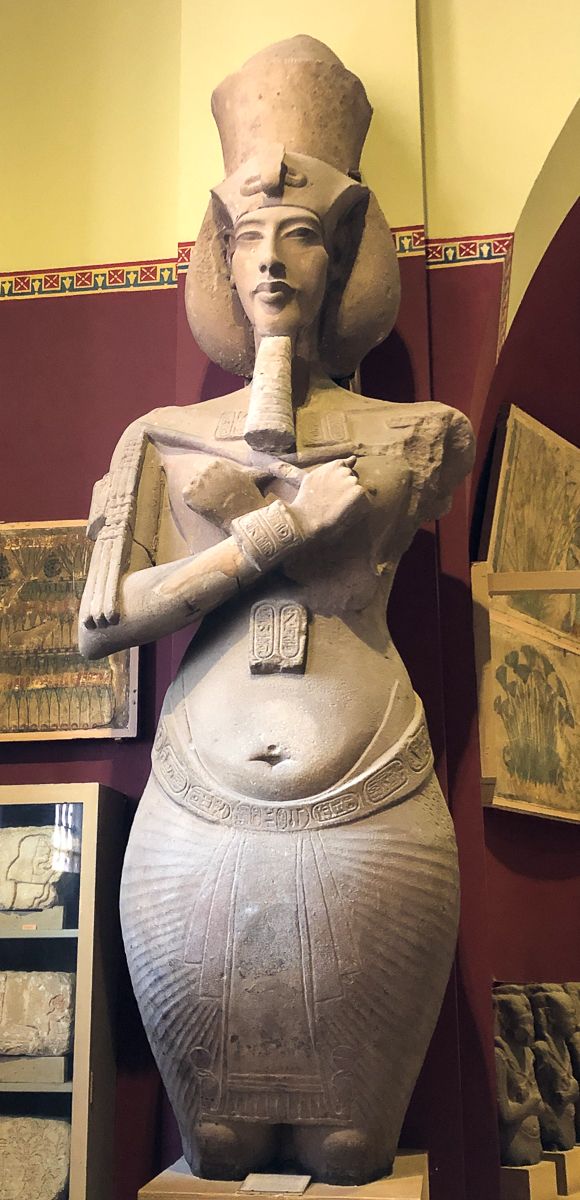
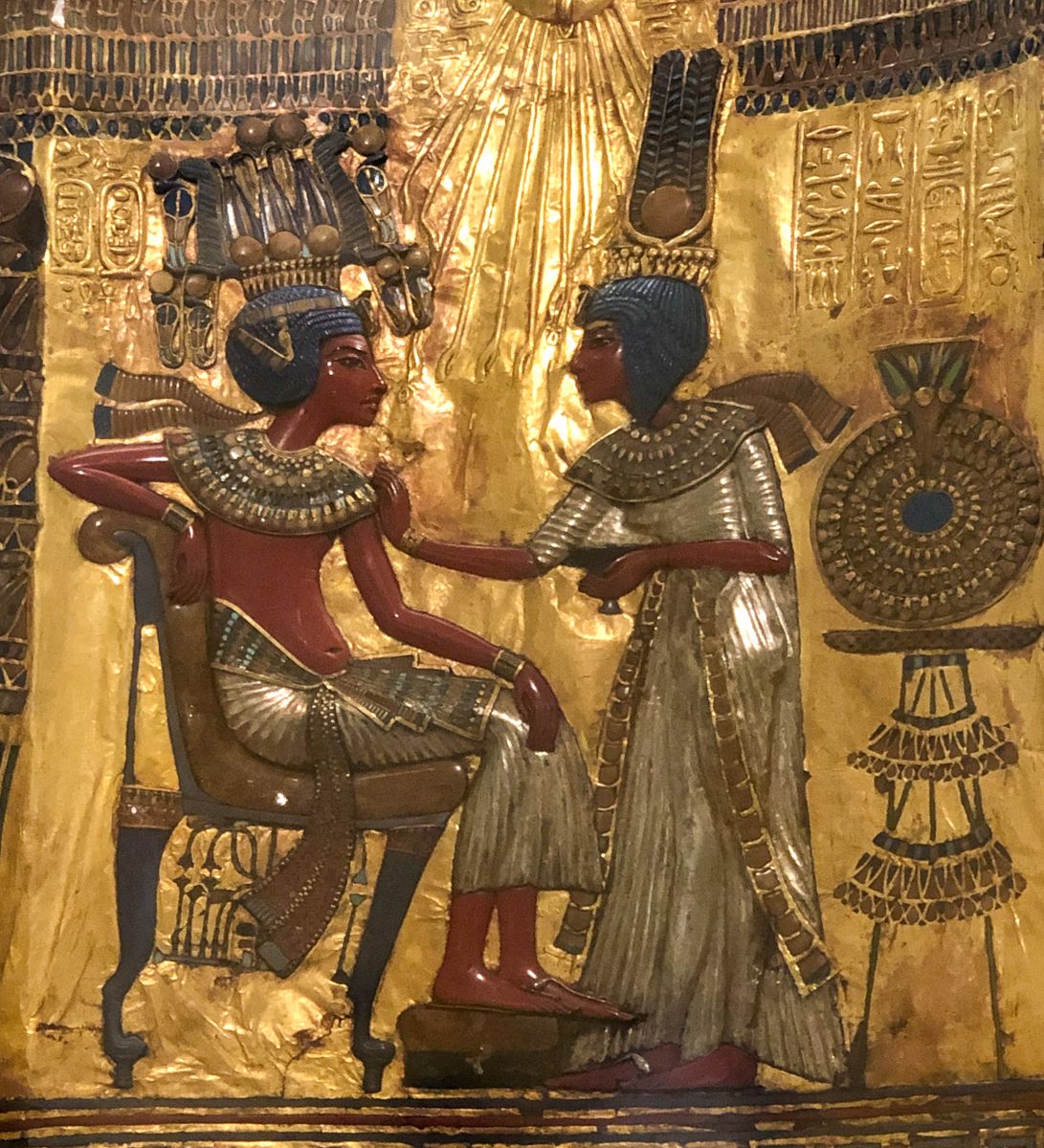
Admire countless artifacts and mummies from several periods and dynasties at the Museum of Egyptian Antiquities. The layout is a bit of a maze with poor informational placards, so I recommend visiting with a knowledgeable guide. Luckily, we saw several precious items recovered from Pharaoh Tutankhamun's tomb before the collection was transferred to the new Grand Egyptian Museum. The double-sided Narmer Palette, which shows the unification of Upper and Lower Egypt, and Colossus of Akhenaten with his realistic belly are breathtaking works of art!


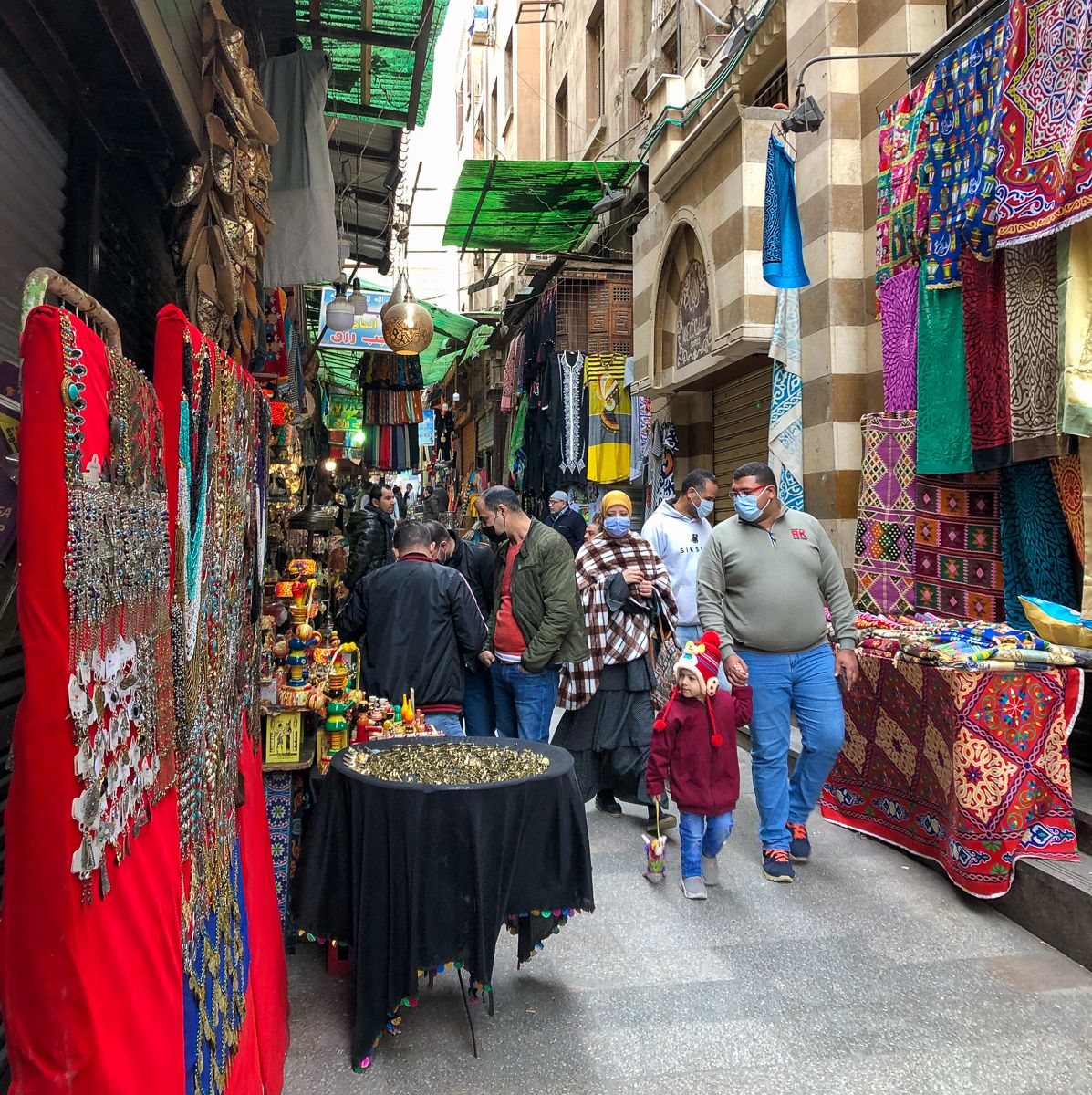
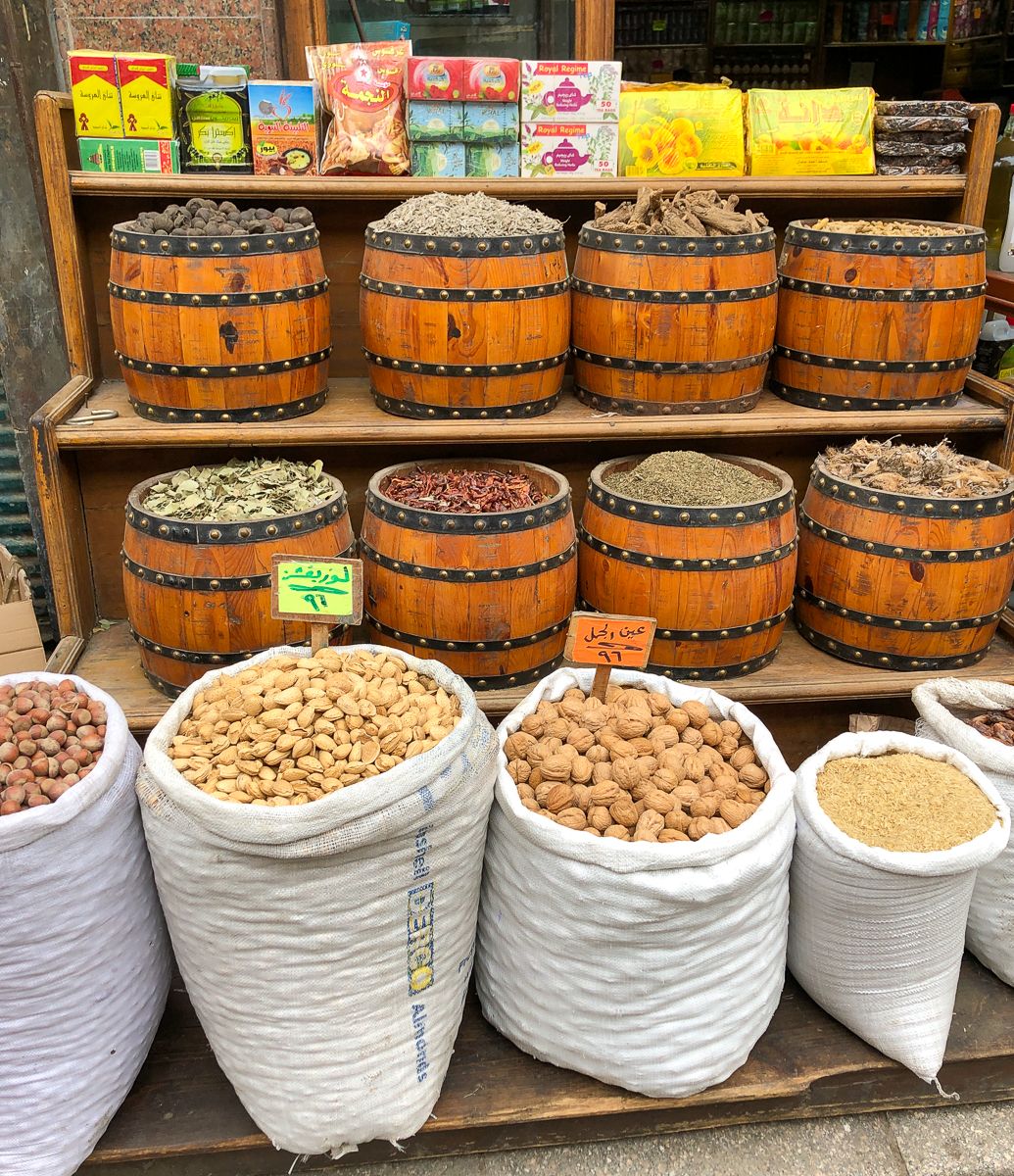
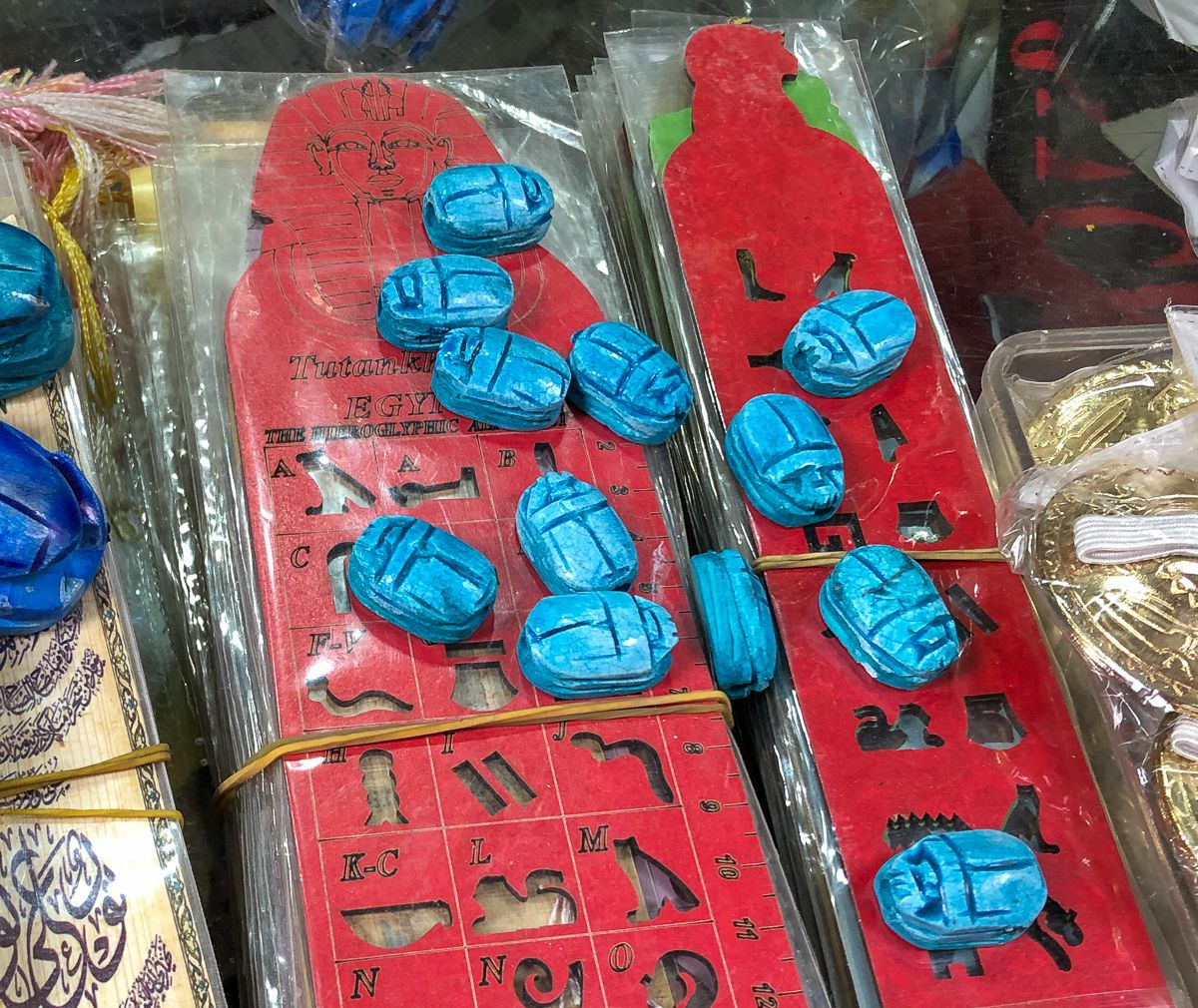
The lively atmosphere of the Khan el-Khalili bazaar is a feast for the senses! Established in the 14th Century, the busy labyrinth displays a variety of goods including exotic spices, vibrant clothing, metal housewares, and jewelry. Prepare for a massive amount of attention from vendors who will try to entice you with a sale at every corner. We bought several blue scarab beads and a small papyrus painting. Research conversion rates beforehand and bring plenty of cash so you can bargain with confidence!

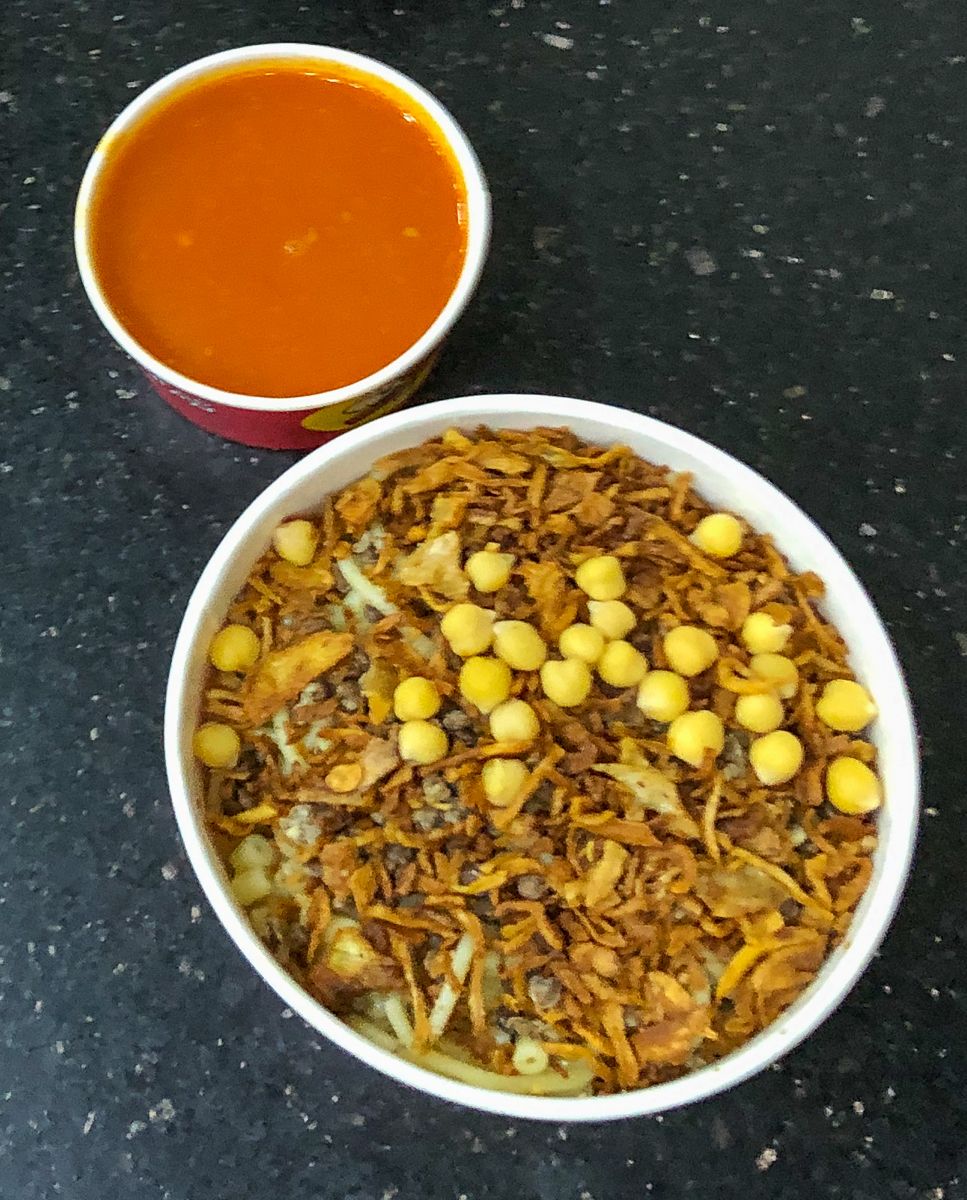
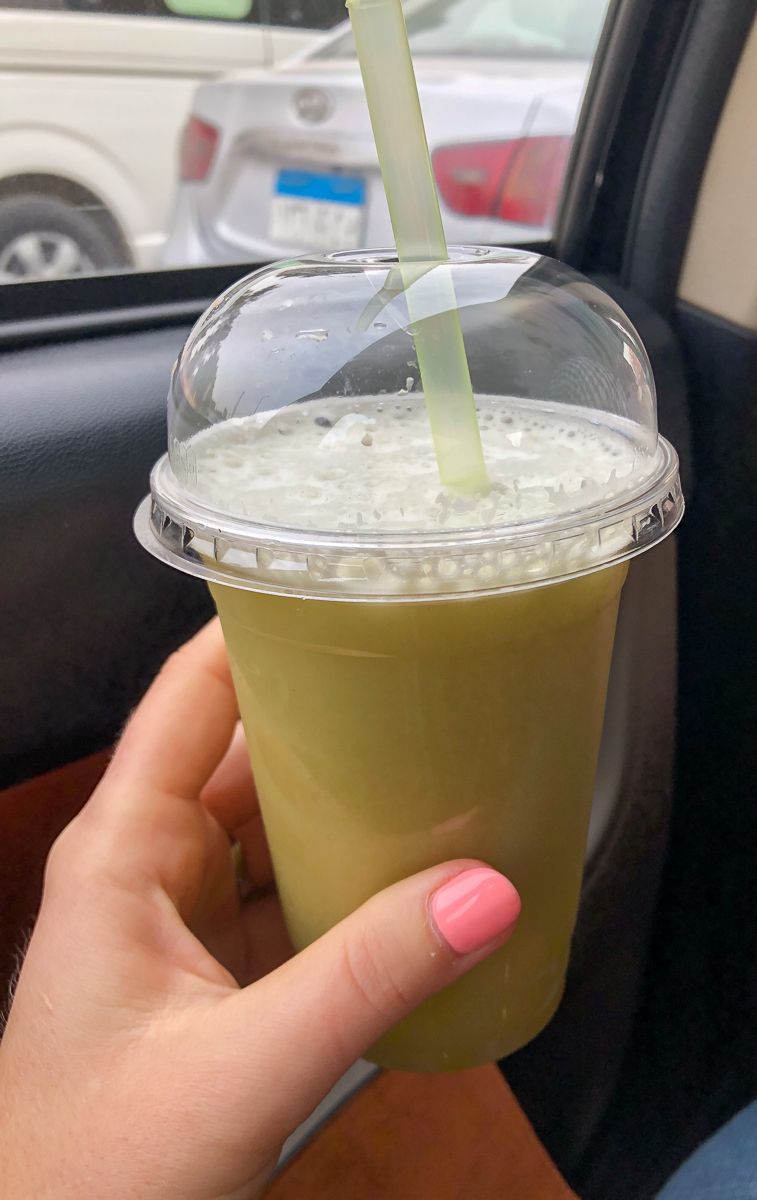
Fuel up with a classic Egyptian lunch at Tom and Basal. Koshari is a beloved vegetarian dish with layers of lentils, pasta, chickpeas, rice, and fried onions. Mix it all up with a cup of tomato sauce, side of garlic vinegar, and dash of hot sauce for a kick. If you're craving something sweet and refreshing, sip a glass of freshly pressed asab (sugarcane juice).
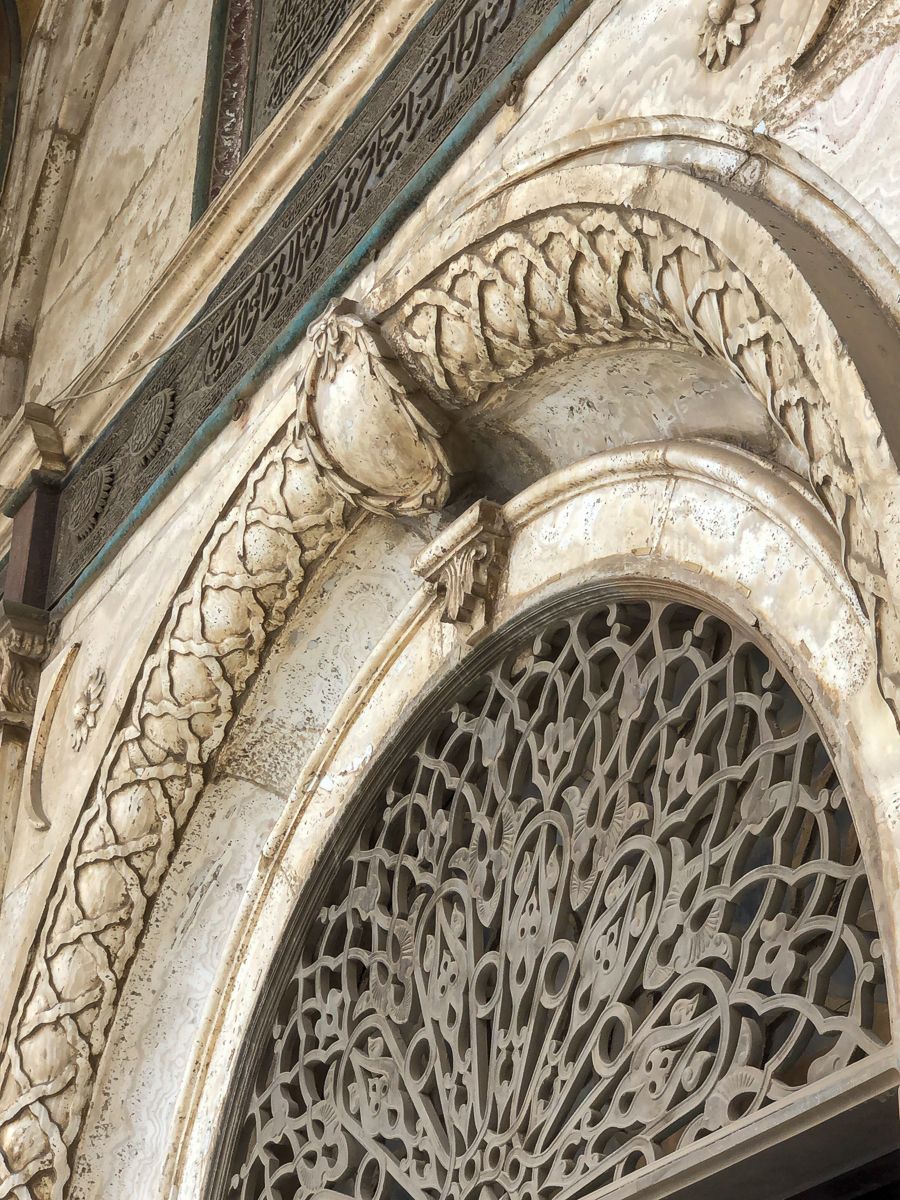
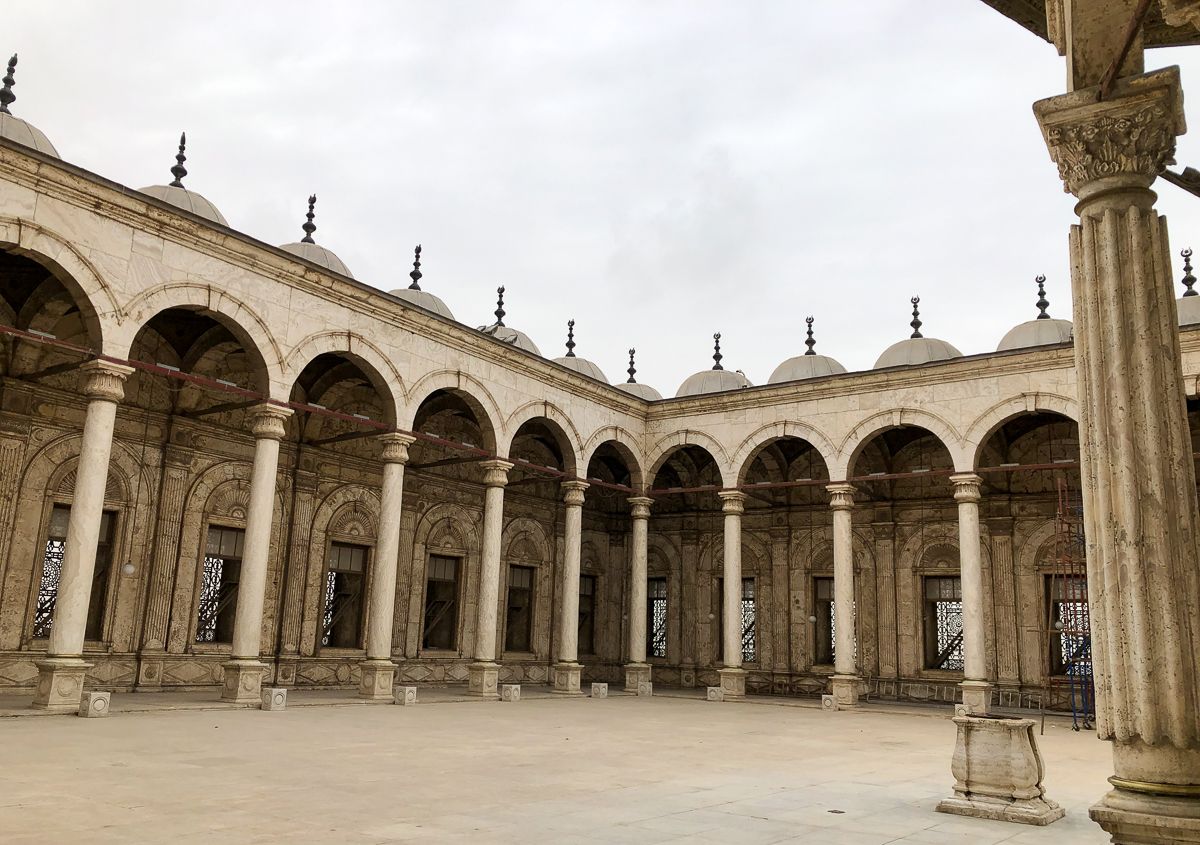
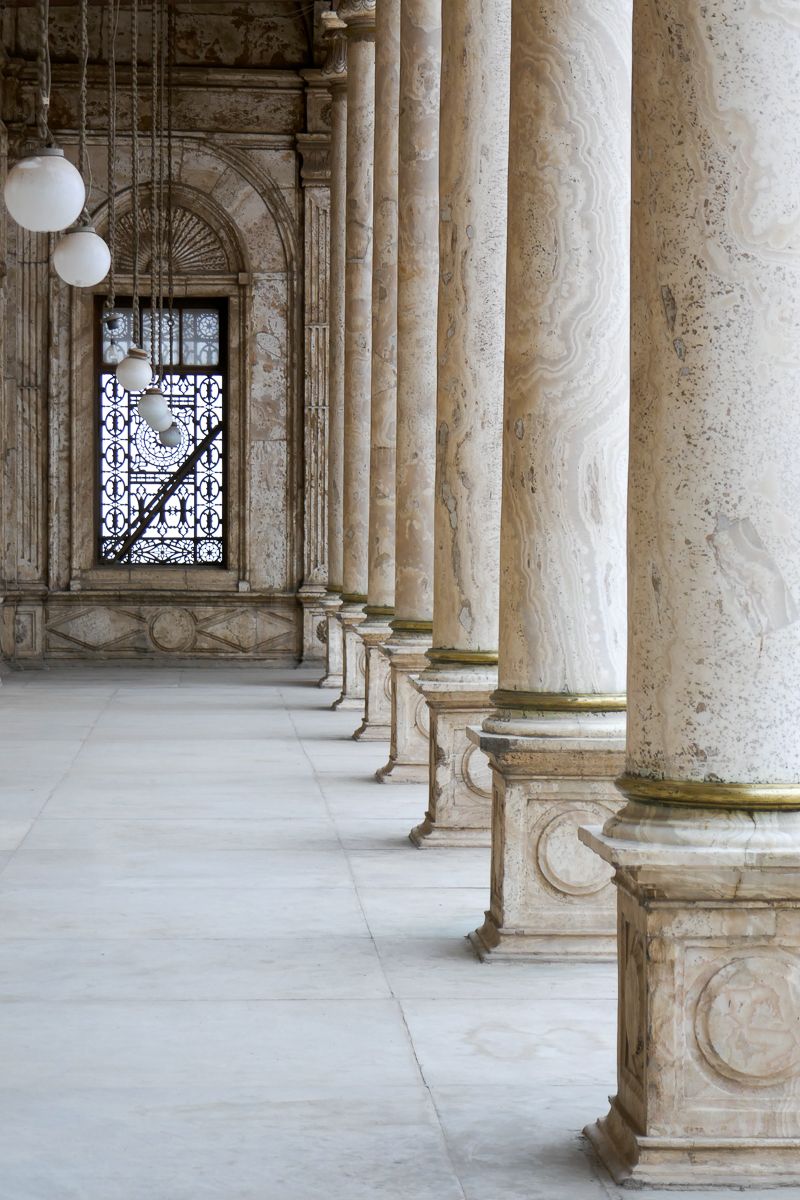
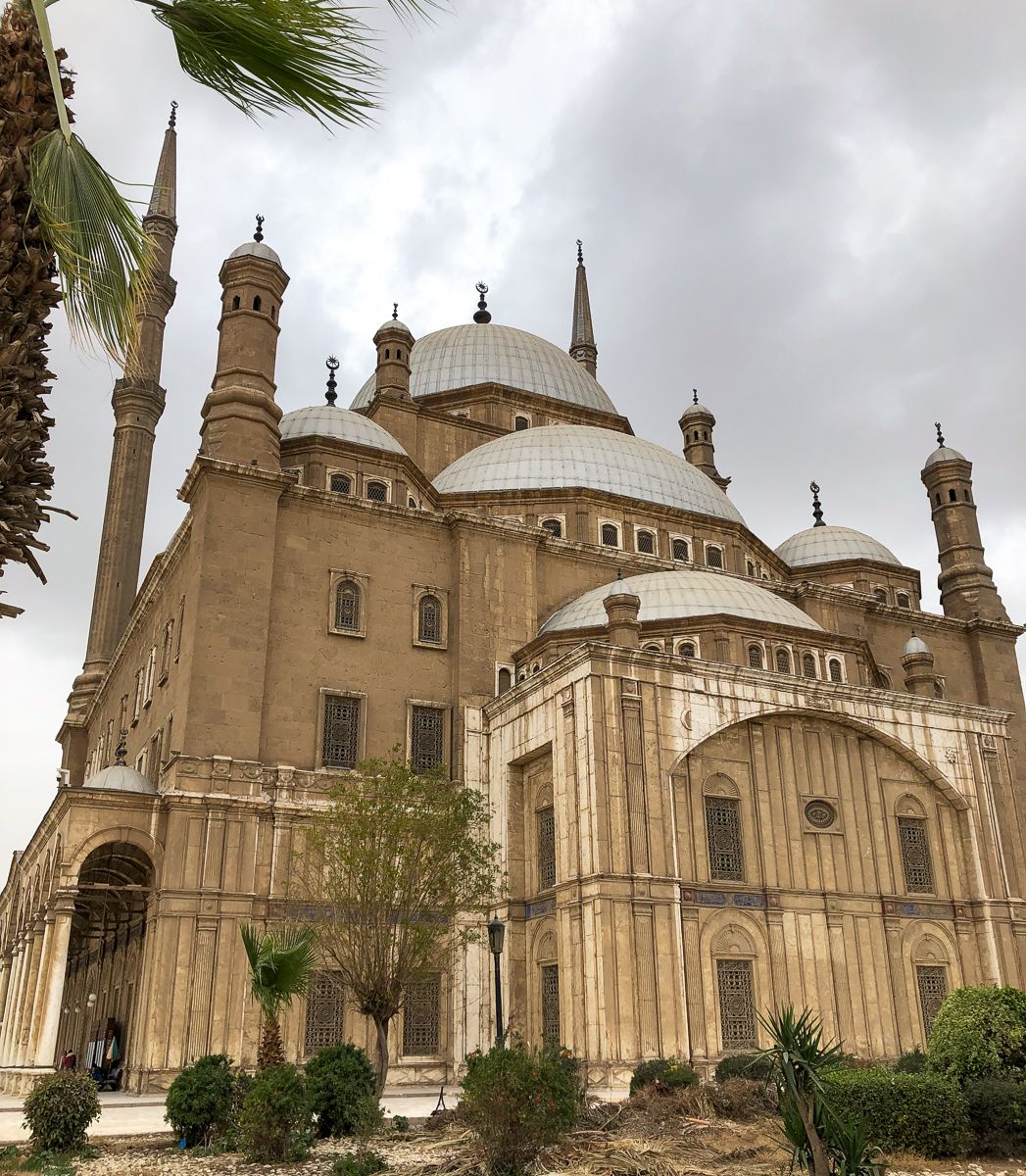
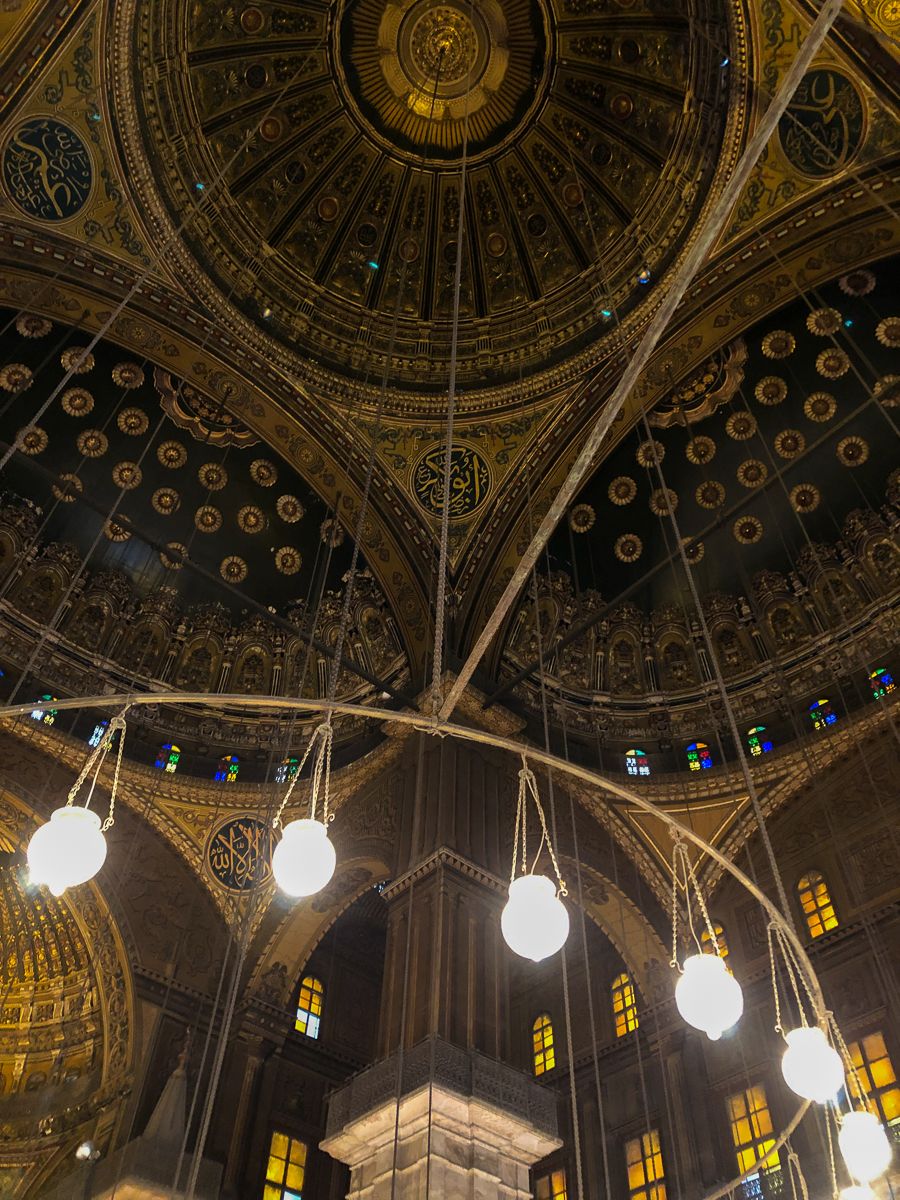
One of the best ways to understand modern Egypt and its Muslim population is to visit a mosque. Completed in 1848, the Mosque of Muhammad Ali features the architectural style of the Ottomans with towering minarets, gilded accents, chandeliers, and acoustic circular domes. The hypnotizing call to prayer is heard five times a day and led by the muezzin (person who ensures an accurate prayer schedule for a mosque).
Tourists are allowed to visit mosques, but must adhere to a strict dress code. Women have to conceal their hair with a headscarf. Both men and women need to cover their shoulders and legs. Don't forget to bring a pair of socks to wear if you don't want to walk around barefoot since shoes aren’t allowed inside!
Day 3: Giza Pyramid Complex
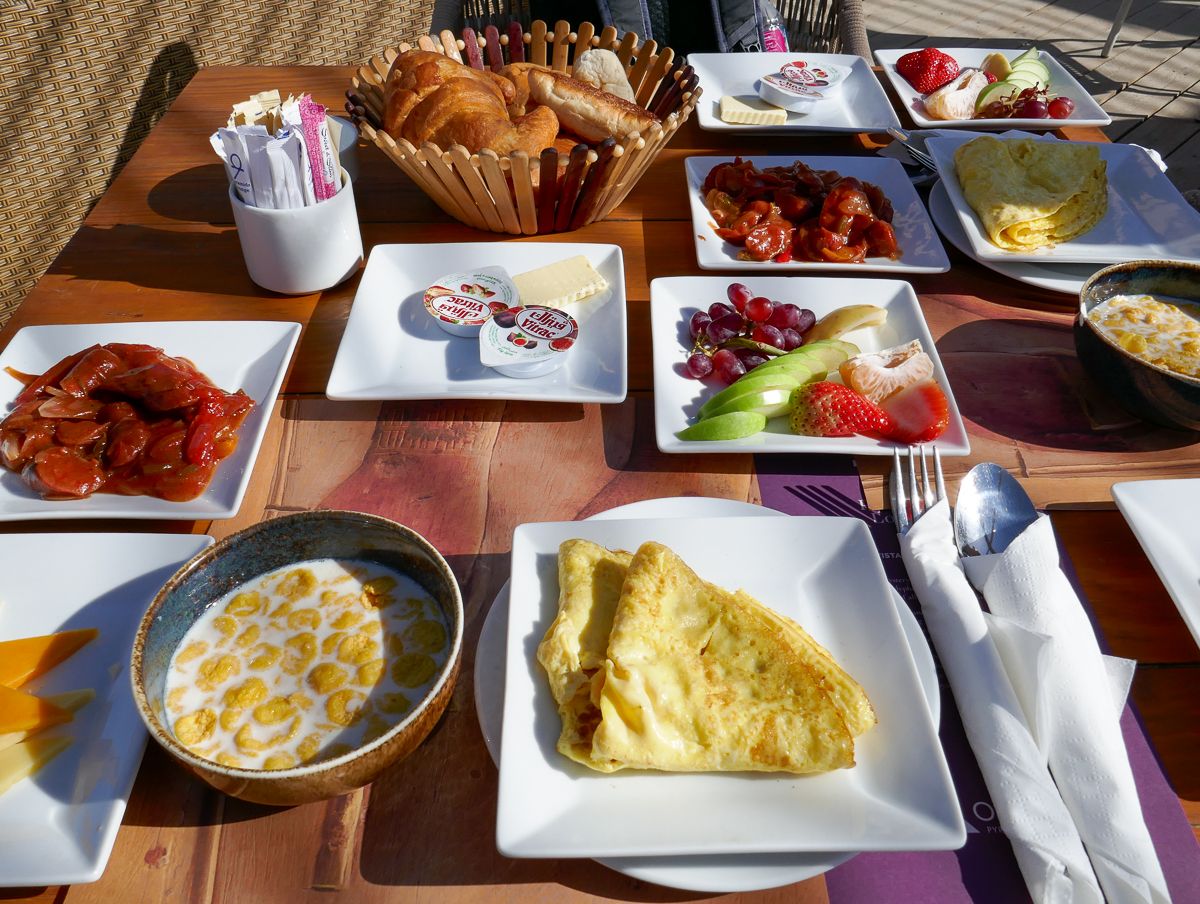
Kick off your trek around the Giza Pyramid Complex with a wonderful brunch at 9 Pyramids Lounge! The al fresco restaurant has a diverse menu with stunning views of the pyramids. After your meal, enjoy a coffee or dessert while relaxing on a comfortable Bedouin lounge. Reservations are encouraged due to limited availability.
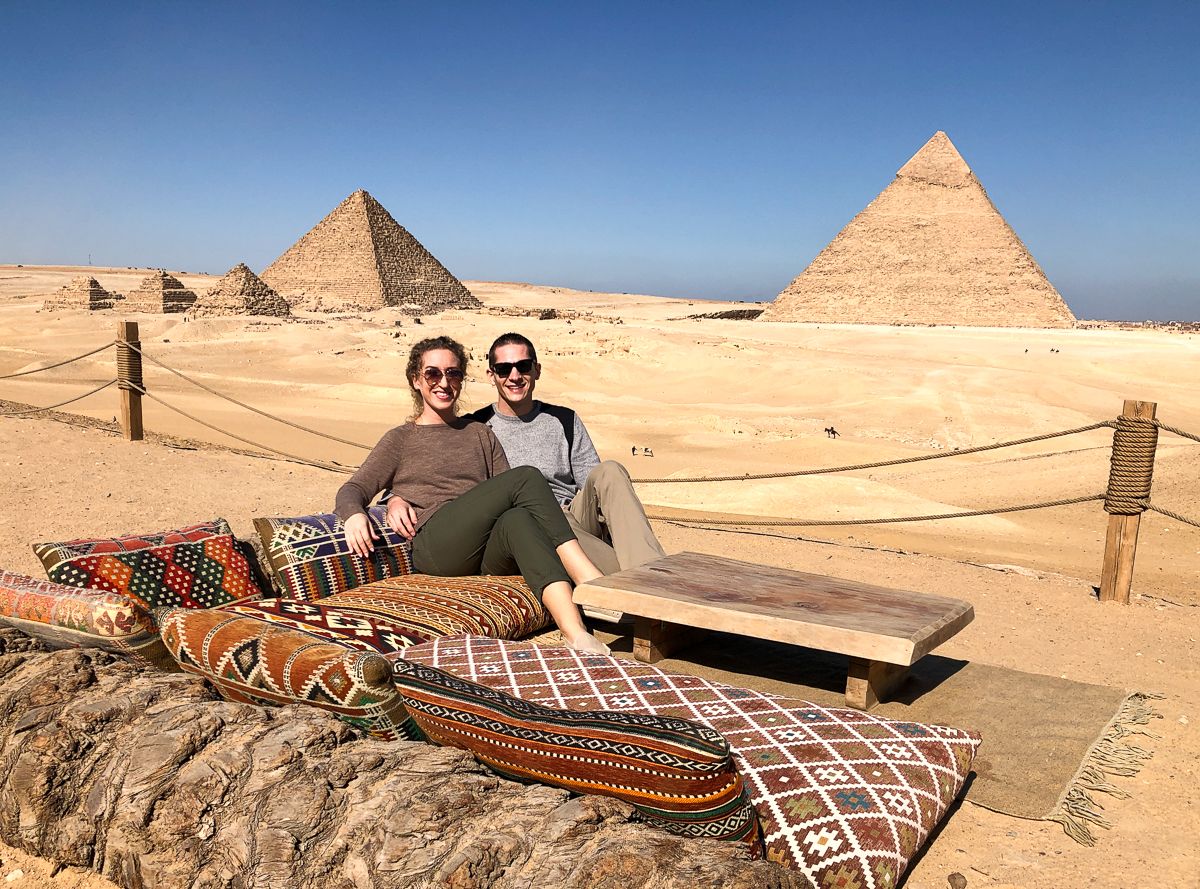
Standing before the only remaining structure of the Seven Wonders of the Ancient World is a powerful moment. Marveling at the sheer grandeur of the Great Pyramids of Giza while touching the gigantic stones is an unbelievable travel experience. Brad and I were giddy with excitement as we explored the exteriors of the Pyramid of Menkaure and Pyramid of Khafre without another tourist in sight!
Switch up your perspective by entering the Pyramid of Khufu (largest pyramid in Egypt). A long shaft leads to the narrow Grand Gallery and small King's Chamber, a rectangular room with granite slabs each weighing approximately 70 tons on the ceiling. The purpose of these spaces is bewildering. Most archaeologists believe pyramids were tombs built on the west bank of the Nile River to coincide with the setting sun and realm of the dead in Egyptian mythology.


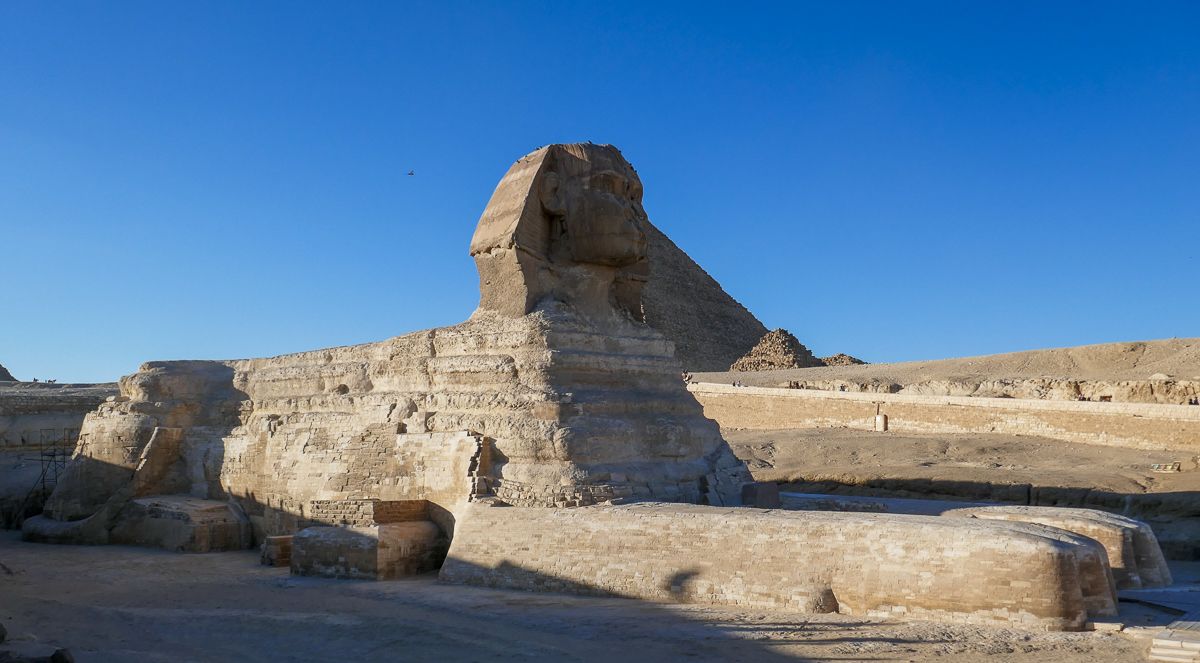
The Great Sphinx, a limestone statue with a body of a lion and head of a pharaoh, keeps a watchful eye toward the Nile River. Carved into the bedrock, it measures 73.2 m (240 ft) long and 20.1 m (66 ft) high. This icon of Egypt seems to guard the expansive necropolis with its stoic gaze and stately posture.
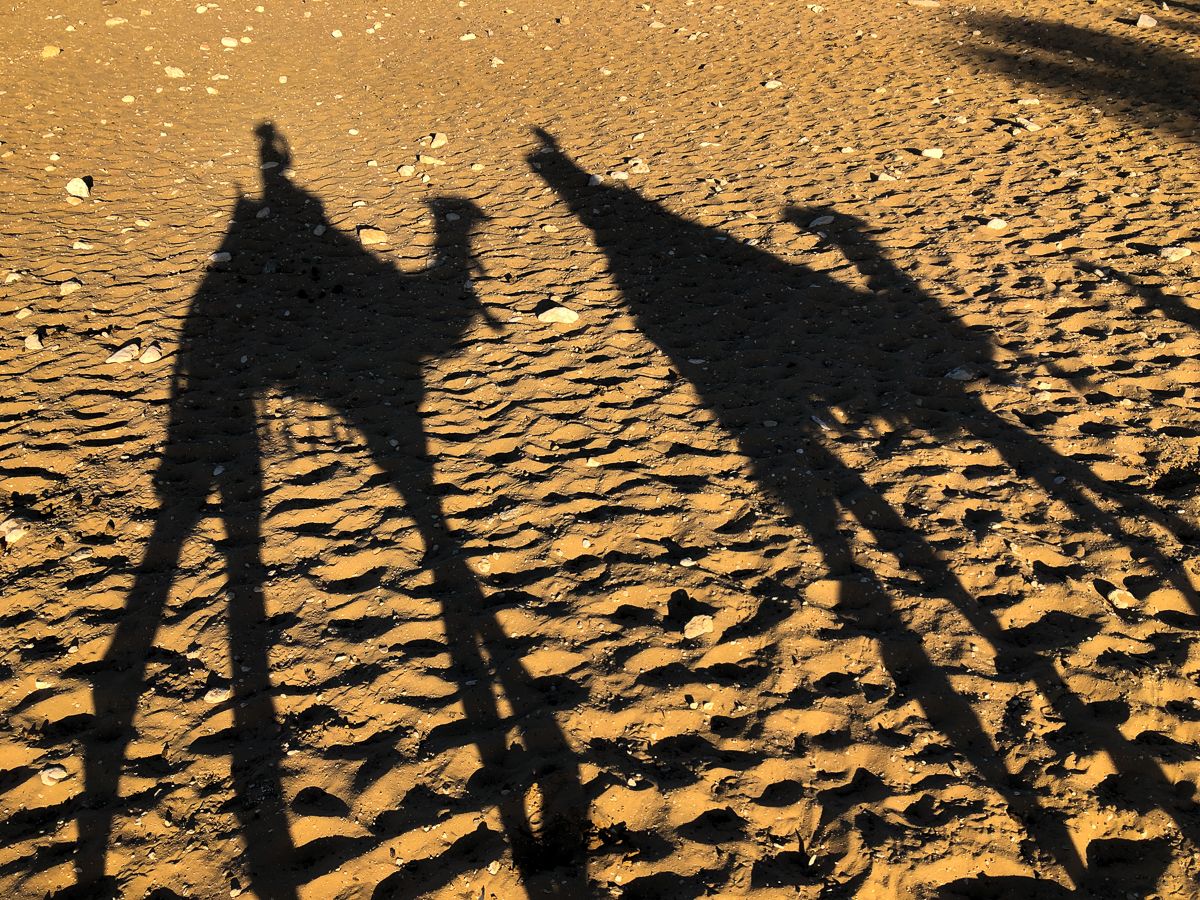
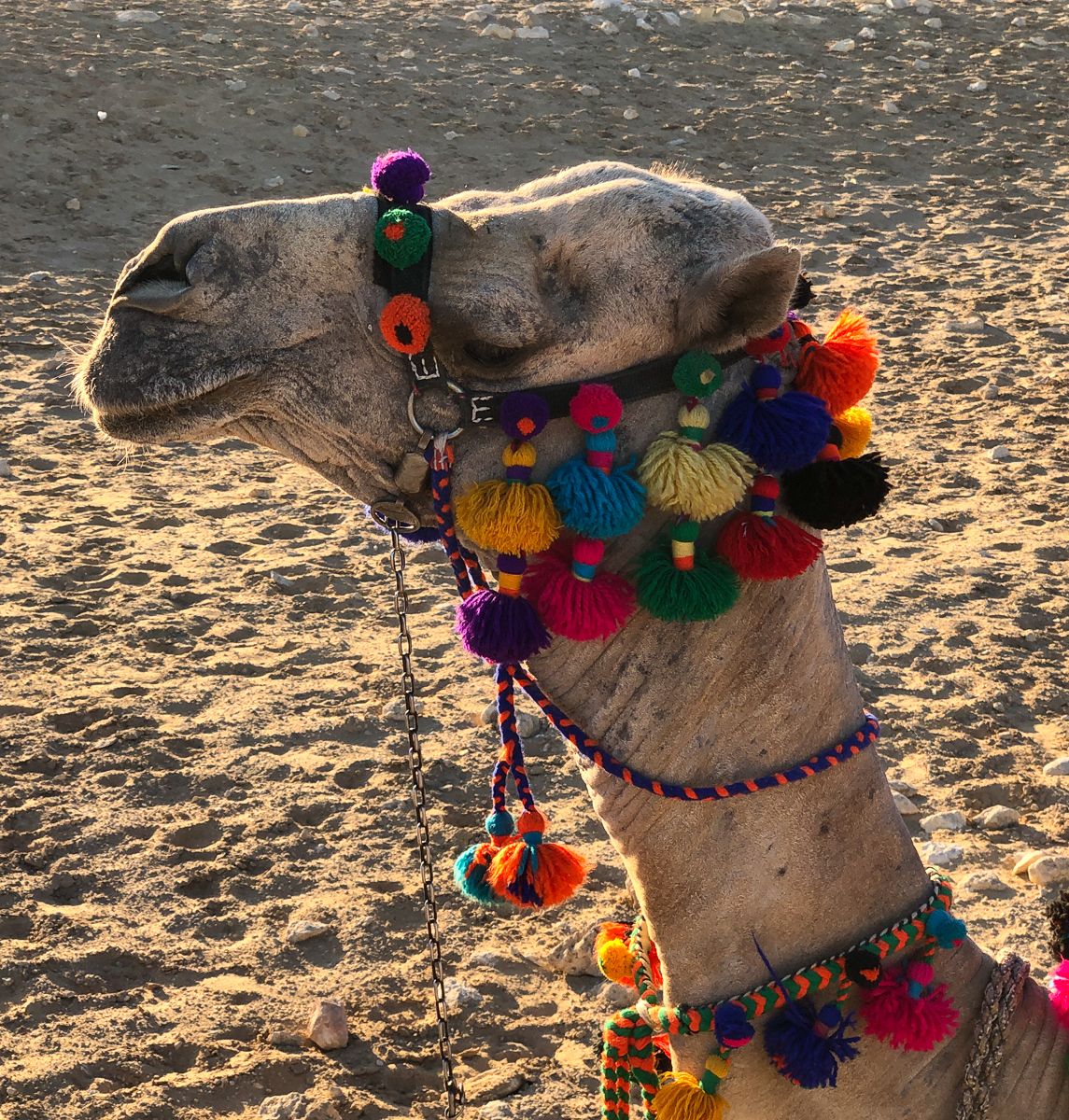
Cap off your magical day with a sunset camel ride! Charlie Brown and Daisy took us on a bumpy 30-minute ride with a few stops for pictures. Don't be surprised by the persistent vendors and beware of scams. We had one follow us for about three hours after Brad said we would be interested later in the day. Prices vary depending on the amount of time and route. After an initial quote of $45 USD, I was able to bargain my way down to $12 USD for the both of us.
Final Thoughts
The juxtaposition of ancient and modern Egypt in the cities of Cairo and Giza creates an adventure unlike any other. Waves of culture shock, jet lag, and constant noise hit us like a freight train upon arrival. Fortunately, we had two kind tour guides to ease our nerves at the beginning of the trip. By the third day, we had enough confidence to tackle the Giza Pyramid Complex on our own. No matter how you plan your trip, this renowned place is guaranteed to surpass all expectations with its abundant layers of incredible history!
