
Central Philippines: Island Adventures and Exotic Wildlife
Hop on a ferry to visit the volcanic island of Camiguin, go scuba diving with thresher sharks in Malapascua, and watch sleepy tarsiers in Bohol.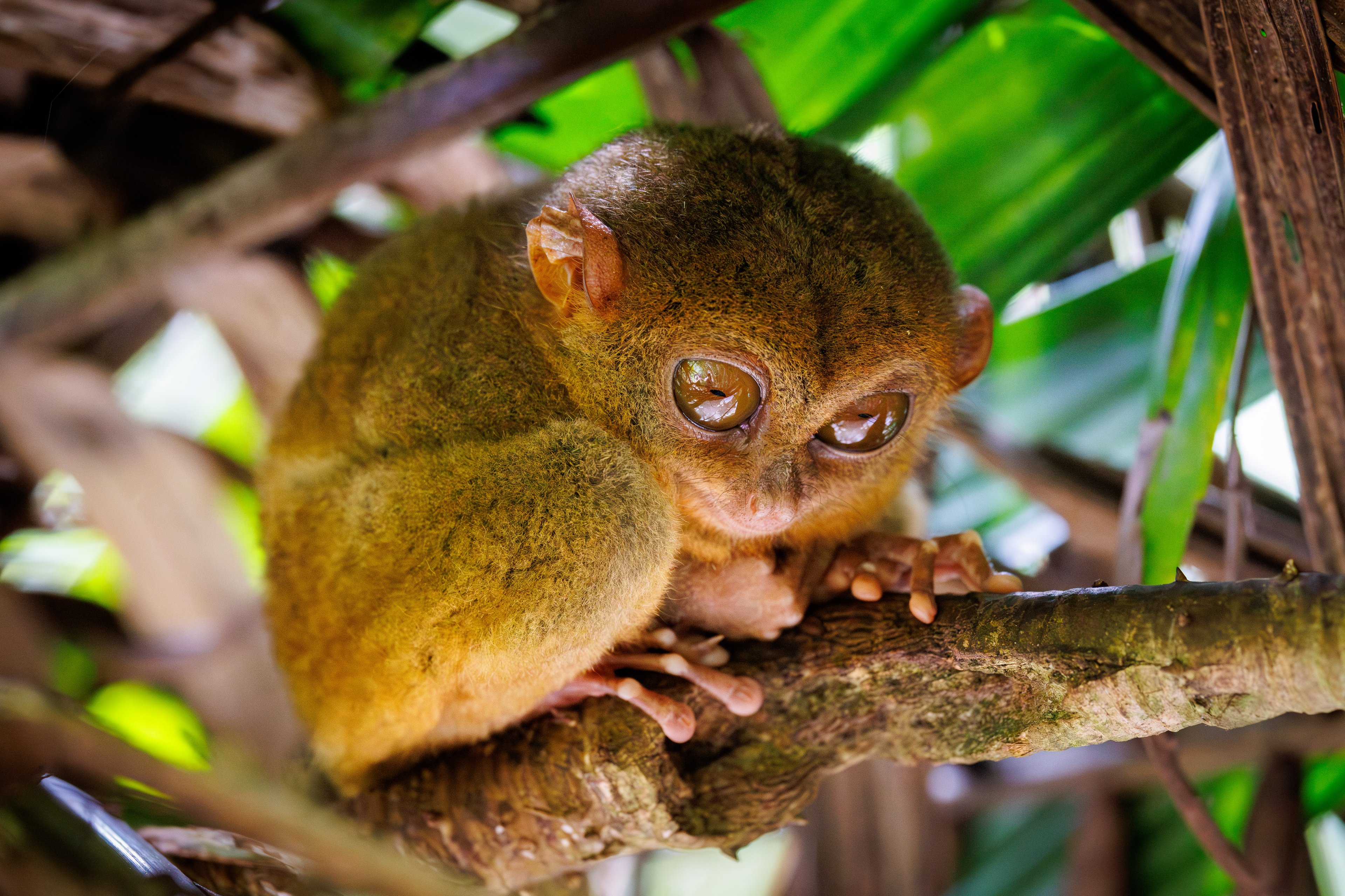
Soft white sand beaches with turquoise ocean views, endemic birds singing in the dense forest canopy, and vibrant coral reefs teeming with bizarre critters await in the islands of the Central Philippines. Also known as the Visayas, this region is a premier destination for nature lovers who also desire a bit of rest and relaxation. Balance busy morning excursions to discover exotic wildlife with lazy afternoons full of fruity cocktails, swaying palm trees, and comfy lounge chairs.
Brad and I began our month-long trip on the volcanic island of Camiguin, a southern neighbor of the Visayas, before watching sleepy tarsiers in Bohol, scuba diving with majestic sharks in Malapascua, and snorkeling with millions of sardines in Moalboal. Below I share our bucket list moments and recommendations to help you plan a visit to this popular area of the Philippines!


Camiguin
The rural island of Camiguin has an unspoiled character with plenty of fun things to do. Fill your days with impressive dive sites, delicious Filipino cuisine, refreshing soda springs, picturesque beaches, and enchanting waterfalls. Rent an affordable motorbike or hire a tricycle to reach the main attractions and restaurants. We enjoyed riding around the island, which has paved roads and light traffic. Exploring with your own set of wheels provides maximum freedom and flexibility!


While luxury resorts, boutique hotels, and cozy bungalows are dotted along the entire coast, I recommend staying on the north side to be near the airport and main ferry terminal. Brad and I booked the spacious and comfortable garden room at Balai sa Baibai, a relaxing property with thoughtful amenities. The attentive staff, specialty cocktails, beachfront restaurant with rotating menu, and on-site scuba diving center exceeded our expectations.


Mount Mambajao dominates the landscape and is often obscured by a blanket of wispy clouds. The best way to catch a view of the "Island Born of Fire," which has more volcanoes per square kilometer than any other island on Earth, is by hiking up Mount Hibok-Hibok on a clear day. Lace up your sturdy trail shoes and prepare to sweat for the difficult full-day trek, which requires a guide and permit often arranged via hotel tours. For an easier route and decent view, check out the short Walkway to the Old Volcano and Stations of the Cross. Opening hours are every day, 8:00 AM-5:00 PM, and tickets cost $0.35 USD per person.


Make a quick stop at the Sunken Cemetery to see the iconic concrete cross rising out of the sea. In 1871, the eruption of Mount Vulcan caused the Spanish burial ground to sink. Snorkelers and scuba divers can visit the tombstones, which are now hidden by corals. Take some photographs next to the wooden fishing boats along the black rocky beach before buying a souvenir from one of the laid-back vendors.


Luckily, the volcanic activity didn't destroy all of the colonial architecture in Camiguin. Wander around the Ruins of the Old Spanish Church of Bonbon (Catarman Church Ruins) to see thick stone walls and foundations covered in moss and cobwebs. Flickering white candles on the wrought-iron stand represent prayers of both residents and tourists.
Towering trees dwarf the ruins, which allude to the powerful and unyielding forces of Mother Nature. Camouflage toads and clucking chickens hang out on the outskirts. It's the perfect place to step back in time and ponder the lives of the Catholic settlers who shaped the history of this island. Opening hours are every day, 8:00 AM-4:00 PM, and tickets cost $0.85 USD per person.


Cool off from the hot and sweaty temperatures with an afternoon tour to Mantigue Island, a marine sanctuary off the east coast. Take a dip in the crystal-clear water, snorkel with sea turtles, and share a few laughs with friendly local kids. For a castaway vibe, take a quick bangka (boat) ride to a horseshoe-shaped sandbar with powdery sand. Round-trip transportation to White Island can be purchased at the ferry terminal for $9.20 USD (up to four people per boat). Each visitor must also pay a $0.80 USD environmental fee. Go early to watch the sunrise and beat the crowds!


Scuba divers will fall mask over fins for the diverse sites and marine life in Camiguin. We dove several times with Coraya Divers to see weird frogfish, tiny nudibranchs, peeking eels, healthy corals, seahorses, curious clownfish, and schools of jolly fish. Every descent underwater was a magical experience! I highly recommend this dive shop for its new equipment, patient and knowledgeable guides, excellent organization, and reasonable prices.


Feel the spiritual and magnetic energy of two cascading forces nestled in the rainforest. Kick off a morning at Katibawasan Falls, a show-stopping 70 m (230 ft) high waterfall with a shallow pool. There are several vantage points to soak up the beauty and relax. Fuel up with a mango smoothie and plate of fresh kinilaw (raw fish with ginger, red onion, cucumber, and vinegar) at Playa Beach Restaurant for lunch. Wrap up the afternoon at Tuasan Falls, an oasis with fewer crowds. Both waterfalls are open every day, 8:00 AM-5:00 PM, and tickets cost $1.25 USD per person. A DIY adventure is easy to plan, just don't forget to pack a swimsuit!


Bohol
Trade the serenity of Camiguin for a jam-packed whirlwind on the island of Bohol, which is famous for its bug-eyed tarsiers, sunny beaches, and interesting geological formations. Extraordinary animals, insects, and marine life thrive in this touristy paradise. Base yourself on the southern coast of Panglao, an adjacent island with countless accommodations, restaurants, pharmacies, souvenir shops, tour operators, motorbike rentals, and convenience stores. Proper sidewalks are scarce, so be extra cautious if you plan to explore the streets at night.


Perhaps the biggest draw for visitors is to come face-to-face with a fuzzy Philippine Tarsier, one of the smallest primates in the world! These nocturnal gremlins use their large eyes, excellent hearing, and jumping ability to catch prey in the lower understory. They rest during the day in the safety of leaves and branches. Let’s just say our telephoto lens came in handy during this unforgettable encounter!
Unfortunately, captivity and habitat loss continue to threaten the species. Philippine Tarsiers will often commit suicide if stressed or handled. A female gives birth to only one baby per year, making it difficult to increase the population. Thankfully, the nonprofit Philippine Tarsier Foundation has a large area of land dedicated to the health and prosperity of these precious creatures. It’s also an ethical place to support because each guided group is required to walk quietly through the forest sanctuary and keep a respectful distance. Opening hours are every day, 8:30 AM-3:30 PM, and tickets cost $2.50 USD per person.


Kick off your flip flops, sip a frozen cocktail, and soak up some Vitamin D at Oceanica Resort along tranquil Bohol Beach! Brad and I purchased a day pass with towel rental for $15 USD per person, which included a front-row bean bag chair and umbrella. Arrive before 10:00 AM to pick a prime spot. The inviting ocean, immaculate white sand, nimble hermit crabs, and tropical palm trees are guaranteed to put you in vacation mode. For a similar escape, head over to Doljo Beach or dial up the energy with the lively atmosphere at Alona Beach.


Hit the road toward the center of Bohol to admire the grass-covered Chocolate Hills, a one-of-a-kind natural attraction spanning for miles. Over a thousand conical and symmetrical limestone mounds resemble brown Hershey's Kisses during the dry season. Tickets for the panoramic viewing platform at the Chocolate Hills Complex with round-trip shuttle transfers cost $1.70 USD per person. Opening hours are 8:30 AM-5:30 PM.

There are plenty of notable scuba diving sites around Panglao with rich biodiversity, but two marine sanctuaries share the spotlight. I observed a Maroon Clownfish, rare Mantis Shrimp, Hawksbill Sea Turtle, yellow Warty Frogfish, electric clam, and mesmerizing school of Moorish Idols at Pamilacan Island. My excursion to Balicasag Island was equally impressive with sightings of a Banded Snake Eel, Kuhl's Stingray, and tornado of Chevron Barracuda. I highly recommend Big Blue Divers Bohol to make your underwater dreams come true!


Rise and shine before dawn to look for endemic birds in the Rajah Sikatuna Protected Landscape. Our local guide Peter found a Chocolate Boobook, Philippine Serpent Eagle, Yellow-breasted Tailorbird, Philippine Trogon, Northern Silvery Kingfisher, Azure-breasted Pitta, and pair of Philippine Frogmouths. A flying lemur, macaque, and frog also made an appearance during our birdwatching tour in the lush jungle. Contact Bohol Birding Tours via WhatsApp +63 948 633 3369 for prices and itineraries.


Heighten your senses with a night tour in the Rajah Sikatuna Protected Landscape to see nocturnal critters and creepy crawlies. We met up with Peter again at the main entrance before dusk to watch several flying lemurs leap between the trees. Our flashlights pierced through the eerie darkness to uncover coiled snakes resting on leaves, cute geckos, gnarly spiders, huge millipedes, crabs, and buzzing insects. Learning about conservation efforts, various species, and indigenous flora with a passionate and experienced guide makes all the difference!


Fuel your adventures in Bohol with hearty plates of Filipino cuisine and Western comfort food! Get your morning dose of fruit and fiber with a green smoothie bowl at CRAZE. For lunch, try the chicken teriyaki at Niks Diner, tangy Hawaiian roll at Sushihan, savory pancit noodles at Forest Garden, and mixed seafood kinilaw at Seaku. The tender pulled pork BBQ sandwich at Hickory & Smok'd and wood-fired pizzas at Napoleat will satisfy your taste buds for dinner.


Malapascua
The island of Malapascua is renowned for its native Thresher Sharks, which arrive every morning at Kimud Shoal like clockwork. The protected cleaning station is a popular site for advanced scuba divers to witness these magnificent and powerful creatures. The Philippine government enforces strict regulations to help ensure the overall health of the ecosystem. Thresher Sharks dislike bubbles, so control your breathing for a better chance to see their iridescent skin and scythe-like tails. Staring into their enigmatic black eyes as they curiously approach is a thrilling, yet peaceful, moment!
Malapascua has a variety of noteworthy dive sites, such as Gato Island, to keep you busy after the Thresher Sharks. Catching a glimpse of a shy octopus, Thornback Cowfish, jellyfish, Greyface Moray Eel, purple dorid nudibranch, and Spiny Seahorse made our stay even more legendary! I highly recommend diving with Sea Explorers for its reliable equipment, enthusiastic guides, and stellar organization.


Moalboal
Scuba divers, snorkelers, and free divers converge off the coast of Moalboal to marvel at its spectacular Sardine Run. Swimming just below the surface above millions of fish sparkling in the sunlight is simply extraordinary! The easiest way to see this enormous ball of resident sardines is to rent a snorkel, mask, and fins from one of the vendors before entering the area next to the Ruins. This natural attraction is worthwhile despite the lackluster atmosphere in town. Keep an eye on the weather to optimize visibility and watch out for dive boats heading to shore.

Helpful Tips
The Philippines is an affordable country in Southeast Asia. Although credit cards are widely accepted, always carry some local currency to avoid issues. Small shops, tricycle drivers, and off-the-beaten-path attractions prefer cash. Ferries, flights, buses, and private transfers make it possible to travel between destinations. Inclement weather, especially typhoons, can cause delays. Always have a back-up plan and try to budget a few extra days in your itinerary.
Each island and region has its own wet and dry seasons. Do a bit of research beforehand to craft the perfect trip, but expect a few rain showers regardless. Pack lightweight athletic gear to keep you comfortable in the unpredictable and sticky climate. Wear sunscreen and sunglasses to protect yourself from the intense ultraviolet rays. Hand sanitizer, bug spray, facial tissues, and adhesive bandages are useful supplies to have in your daypack. A rain jacket, umbrella, or poncho is handy in a sudden downpour!


Set a good example by treating the environment with respect and care. Avoid touching corals, disturbing animals, and supporting businesses with poor practices. Beware of false ecotourism claims and unethical guides. Please take out what you take in and leave no trace, including biodegradable food which can harm wildlife. Picking up a few pieces of trash, especially on the ocean floor, may not seem like a big deal, but it makes a huge difference to the critters.
In a (Coco) Nut Shell
It's tough to put into words the profound joy I felt during our adventures in the Central Philippines. Every idyllic island promises something new to discover, whether in the thick rainforest or deep blue sea. Adorable tarsiers and graceful sharks may be at the top of your checklist, but expect other wonderful surprises with a bit of luck. Whatever you encounter in this Garden of Eden will surely captivate your soul!
